

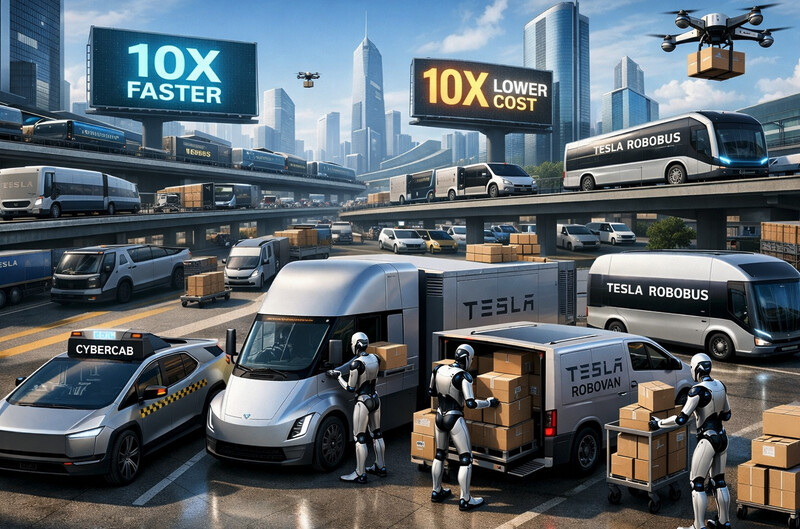

We need to reinvent and rebuild the world’s factories, warehouses, supply chain and systems where AI and automation can integrate, move and track everything. We need to do this from first principles.
We will have more than just a future of robotaxi. We will have roboeverything. In a future dominated by drones, Optimus-like humanoid robots, and autonomous vehicles (AVs) like robotaxis, robotrucks, and robobuses, the global supply chain evolves from a linear, human-dependent model to a hyper-dynamic, AI-orchestrated network. This shift leverages 24/7 operations, extreme speeds (100-150 mph for ground AVs via dedicated lanes or platooning), and robotic precision to slash costs by 5-10x, compress timelines from weeks to hours, and enable on-demand everything. Traditional bottlenecks—labor shortages, traffic delays, inventory overstock—are eliminated through predictive AI (Grok-integrated systems), real-time data flows, and modular, relocalized processes.The core workflow becomes a seamless loop: Demand sensing → Instant sourcing/production → Hyper-fast transport → Automated fulfillment → Feedback optimization.
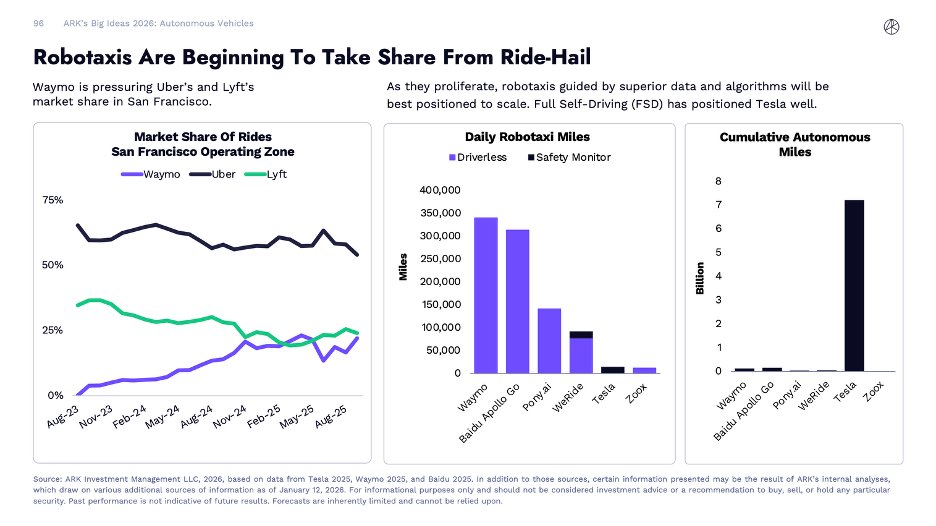
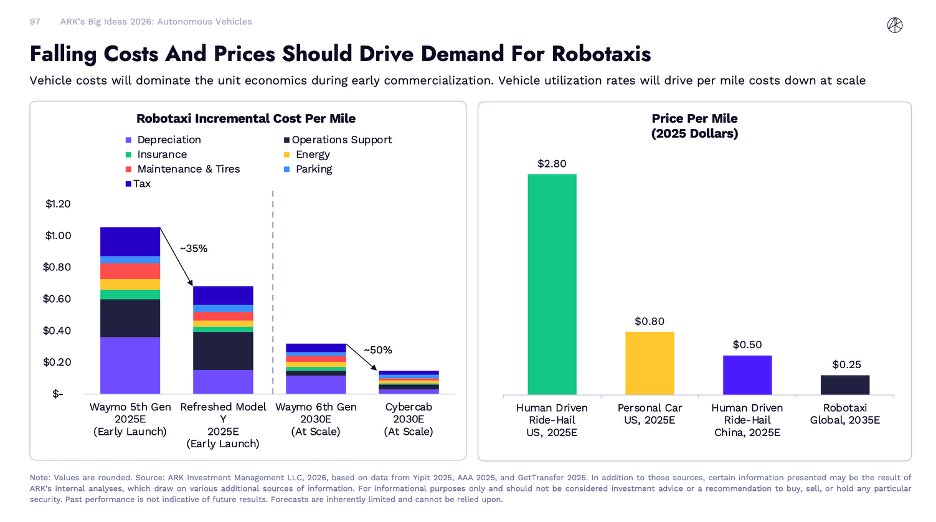
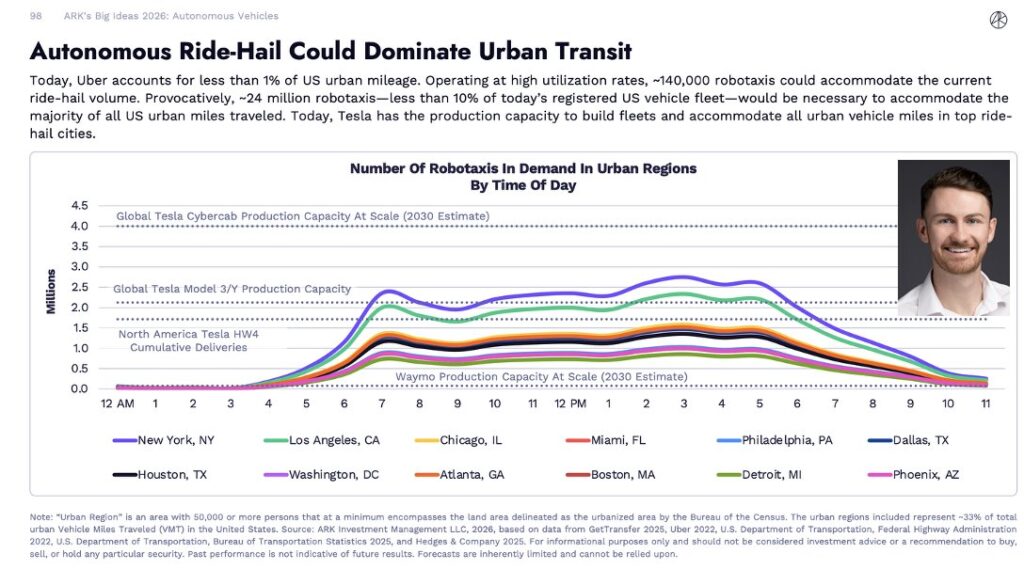
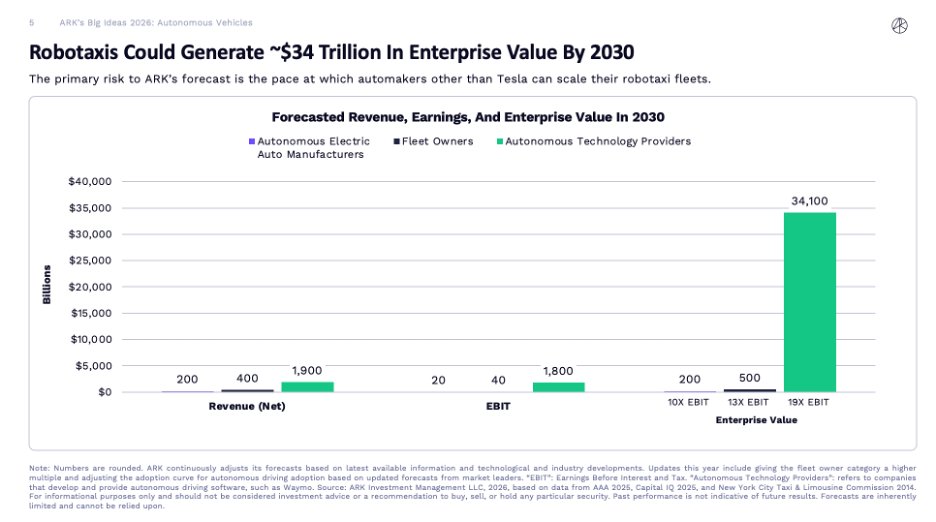
With @Tesla live with unsupervised robotaxis in Austin today, no better time to dive into our robotaxi research…!
I used to be asked: will autonomous driving ever work?
Now, the question is: when will it come to my city?Robotaxis are already driving themselves, and within… pic.twitter.com/1UC97phxXs
— Tasha Keeney (@TashaARK) January 22, 2026
Robotrucking
I, Brian Wang, and Cern Basher had a deep dives into why Tesla robo-trucking (autonomous electric semis) may be an even bigger profit driver than robo-taxis:
Cern adapted his robotaxi financial models for trucking.
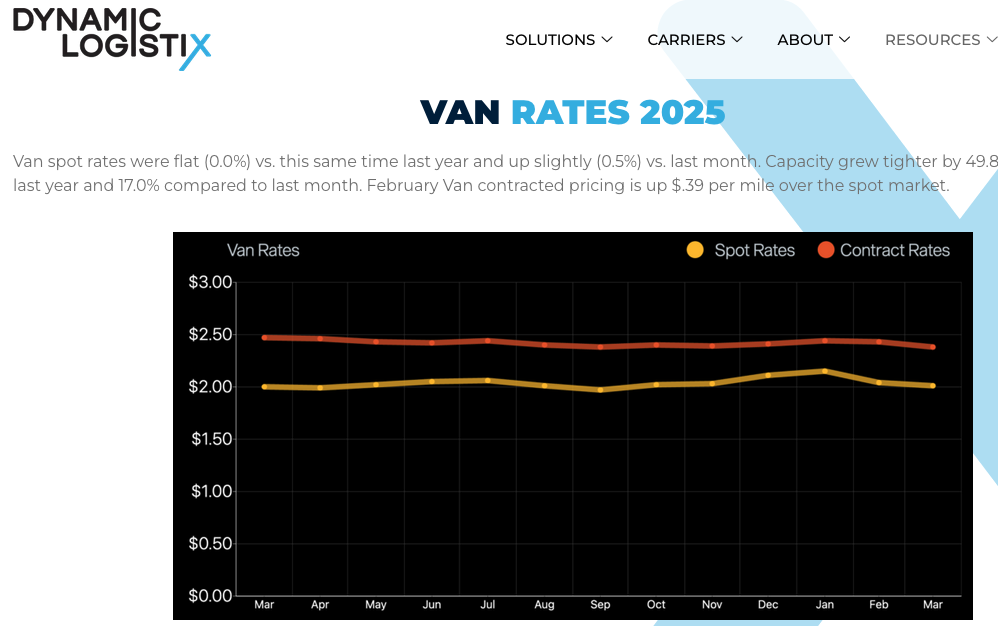
Tesla’s robo-trucks are overlooked but could be as big or bigger than robo-taxis in revenue, profit, and market value.
Profitability Comparison:
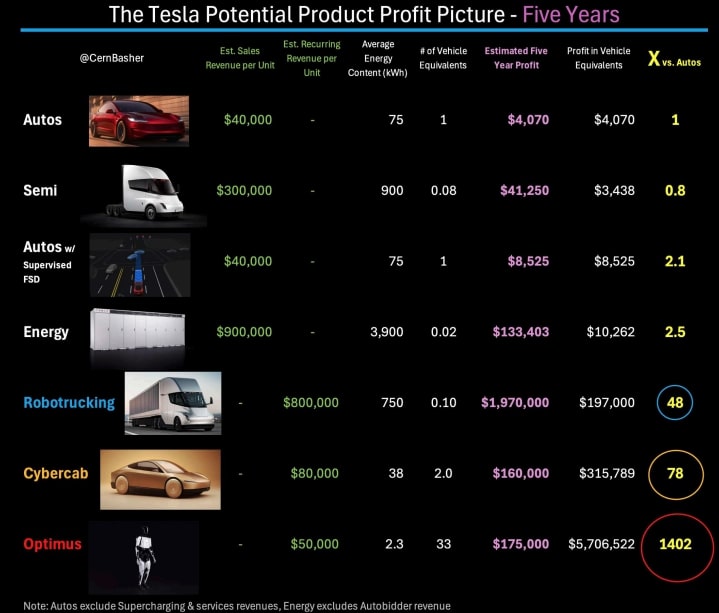
$40k Tesla car = ~$4k profit per 5 years.
Semi = ~10x profit of a car.
Energy products = ~2.5x a car.
Robo-taxi = ~78x a car.
Robo-truck = ~48x a car (battery adjusted).
Optimus (robot) = “off the charts.”
Utilization Edge:
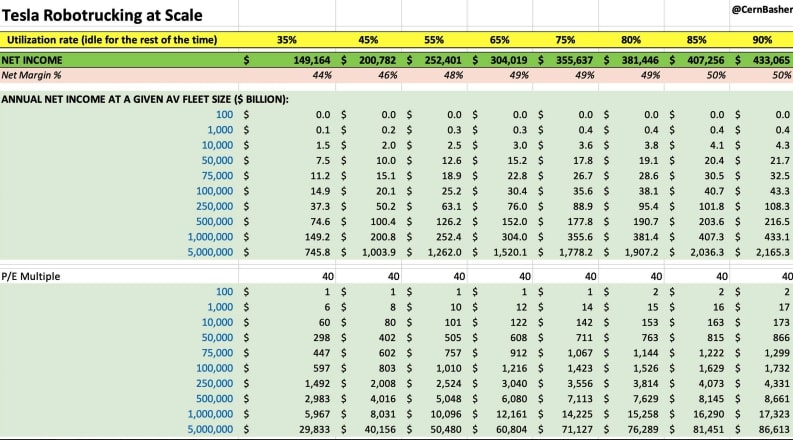
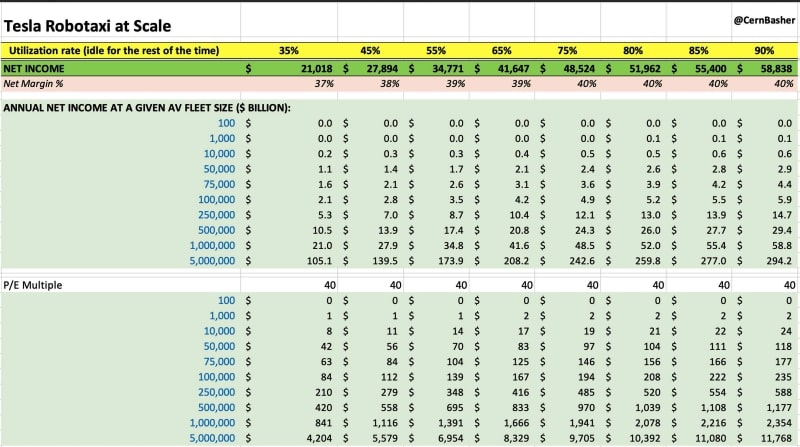
Robo-taxis: limited to ~35–55% utilization (8–13 hrs/day).
Robo-trucks: can hit 80–90% (19–22 hrs/day) since no driver rest required.
Trucks run ~1,000 miles/day vs. robo-taxi’s ~100–300 miles.
Revenue & ROI:
Each truck could earn $770k–$870k/year at high utilization, with ~$380k–$430k net annual profit.
Payback: under a year, even at conservative numbers.
Fleet Scaling:
50k robo-semis = ~$19B annual profit → ~$763B market cap.
500k robo-taxis needed to match that output.
Market Size:
Trucking is an $800B-$1T U.S. industry, 4x larger globally. Could even disrupt rail freight.
Advantages: Removes driver costs, slashes fuel/maintenance, electrifies logistics, reduces turnover and emissions.
Synergies: Pairing robo-trucks with Optimus bots, Megapacks, and Tesla depots = autonomous logistics ecosystem.
Challenges: Charging infrastructure (mega-chargers), regulations (CA/Northeast bans still hurdles), but costs and economics so strong rollout feels inevitable.
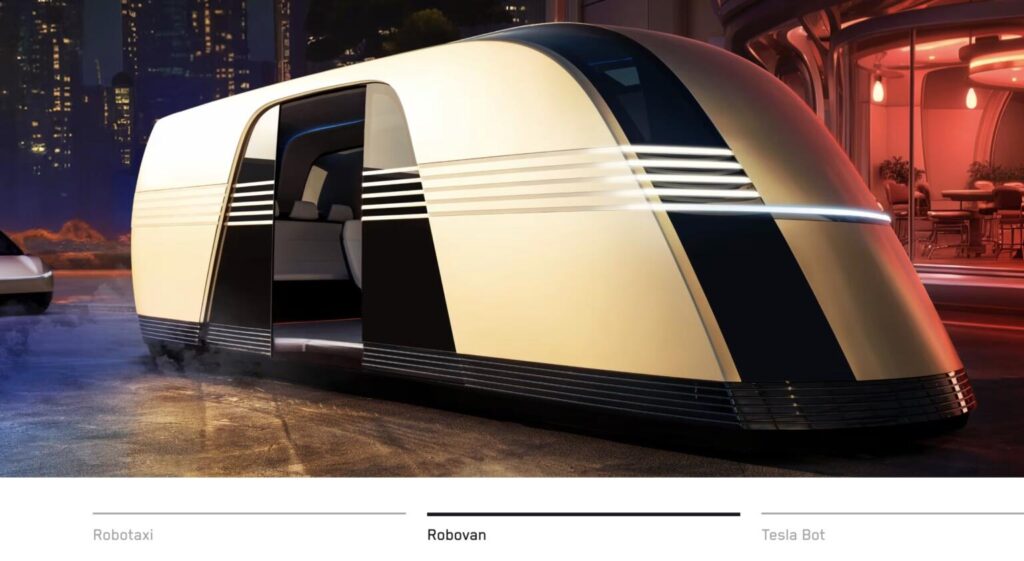
Robobussing Market Analysis with Tesla Robovan
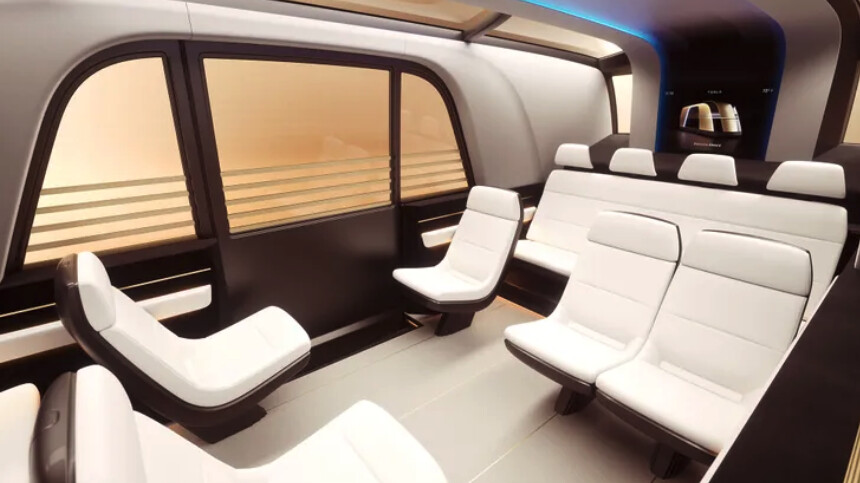
Tesla Robovan could move people at 1 to 5 cents per mile per person.
Robovan’s design (no steering wheel, electric) drops vehicle-mile costs to $0.25-0.50, or $0.01-0.05 per person-mile at 10-20 occupancy—versus current bus at $0.10-0.50/person-mile.
Drones and Optimus and Autonomous Vehicles Transformed Supply Chain and Global Production Overview
In a future dominated by drones, Optimus-like humanoid robots, and autonomous vehicles (AVs) like robotaxis, robotrucks, and robobuses, the global supply chain evolves from a linear, human-dependent model to a hyper-dynamic, AI-orchestrated network. This shift leverages 24/7 operations, extreme speeds (100-150 mph for ground AVs via dedicated lanes or platooning), and robotic precision to slash costs by 5-10x, compress timelines from weeks to hours, and enable on-demand everything.
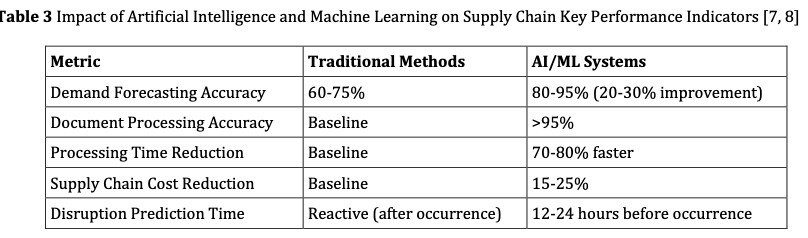
Traditional bottlenecks—labor shortages, traffic delays, inventory overstock—are eliminated through predictive AI (e.g., Grok-integrated systems), real-time data flows, and modular, relocalized processes.The core workflow becomes a seamless loop:
Demand sensing →
Instant sourcing/production →
Hyper-fast transport →
Automated fulfillment →
Feedback optimization
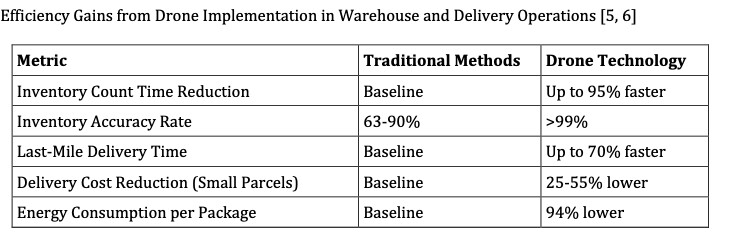
Goods move cross-country in under 24 hours (LA to NYC in ~20 hours at 150 mph- autobahn top speeds – non-stop), with drones handling last-mile urban drops at under $1 per package (90% cheaper than today).
Warehouses act as AI hubs where Optimus bots handle picking, packing, and even predictive restocking, reducing human involvement to oversight.
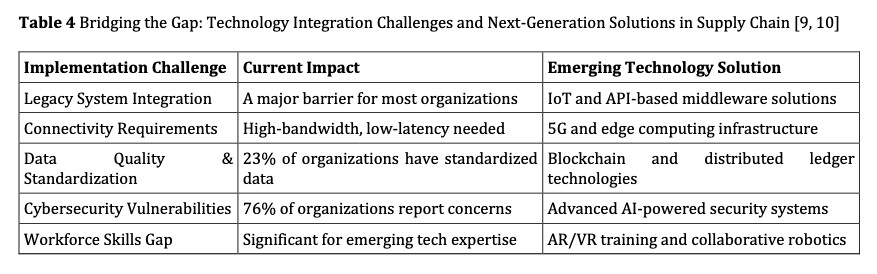
Mini-factories (mobile or pop-up) deploy via AVs to sites, fixing equipment or producing parts on-site, minimizing downtime. Parts are “smartly positioned” globally via blockchain-tracked inventories, allowing just-in-time (JIT) to upgrade to just-in-need workflows—AI anticipates failures and reroutes components drone-delivered within hours.
This results in 10x cost reductions. Robots boost warehouse and factory throughput by 10x with near-zero errors.
Overall, supply chains achieve 80-90% utilization versus 35-50% today.
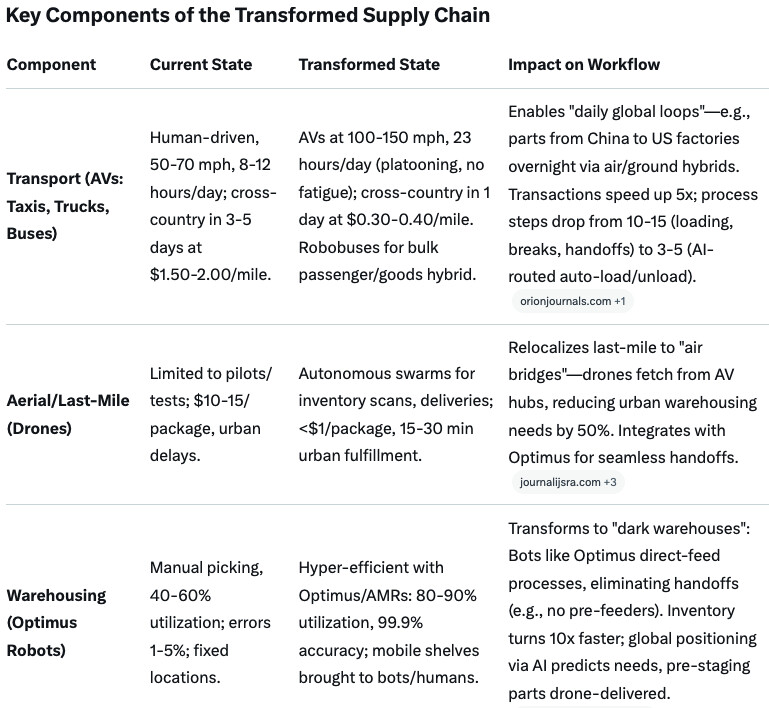
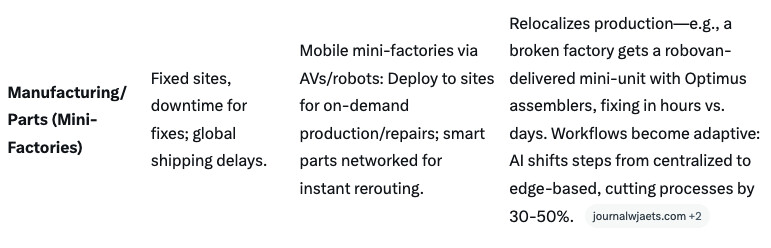
Changes in Transactions, Process Steps, and ProductivityThis ecosystem accelerates transactions from daily/weekly to real-time (e.g., 100x more micro-transactions via AI contracts), reduces steps by 40-70% through relocalization, and boosts productivity via humanoid canvases where bots redesign workflows.
Research papers confirm these shifts.
Speed/Transactions: Papers like “Autonomous vehicles, drones, and AI: Transforming modern supply chain management” (2025) model 5-10x faster cycles via AI/drone integration, enabling 20-50% more daily transactions through predictive routing.
We need to reinvent and rebuild the world’s factories, warehouses, supply chain and systems where AI and automation can integrate, move and track everything. We need to do this from first principles.
Brian Wang is a Futurist Thought Leader and a popular Science blogger with 1 million readers per month. His blog Nextbigfuture.com is ranked #1 Science News Blog. It covers many disruptive technology and trends including Space, Robotics, Artificial Intelligence, Medicine, Anti-aging Biotechnology, and Nanotechnology.
Known for identifying cutting edge technologies, he is currently a Co-Founder of a startup and fundraiser for high potential early-stage companies. He is the Head of Research for Allocations for deep technology investments and an Angel Investor at Space Angels.
A frequent speaker at corporations, he has been a TEDx speaker, a Singularity University speaker and guest at numerous interviews for radio and podcasts. He is open to public speaking and advising engagements.
