

Close Menu

    Subscribe to Updates

    Get the latest Tech news from SynapseFlow

    What's Hot

    Laptop performance and FPS drop after BIOS update

    March 14, 2026

    How to upgrade your car’s old audio system to work with Android Auto and Apple CarPlay

    March 14, 2026

    US Destroys All Military Targets on Kharg Island Which Is Iran’s Oil Export Hub

    March 14, 2026
    Facebook X (Twitter) Instagram
    • Homepage
    • About Us
    • Contact Us
    • Privacy Policy
    Facebook X (Twitter) Instagram YouTube
    synapseflow.co.uksynapseflow.co.uk
    • AI News & Updates
    • Cybersecurity
    • Future Tech
    • Reviews
    • Software & Apps
    • Tech Gadgets
    synapseflow.co.uksynapseflow.co.uk
    Home»Future Tech»Astronomer Explores Possibility of Launching Bad People Into Sun
    Astronomer Explores Possibility of Launching Bad People Into Sun
    Future Tech

    Astronomer Explores Possibility of Launching Bad People Into Sun

    The Tech GuyBy The Tech GuyNovember 19, 2025No Comments3 Mins Read0 Views
    Share
    Facebook Twitter LinkedIn Pinterest Email
    Advertisement


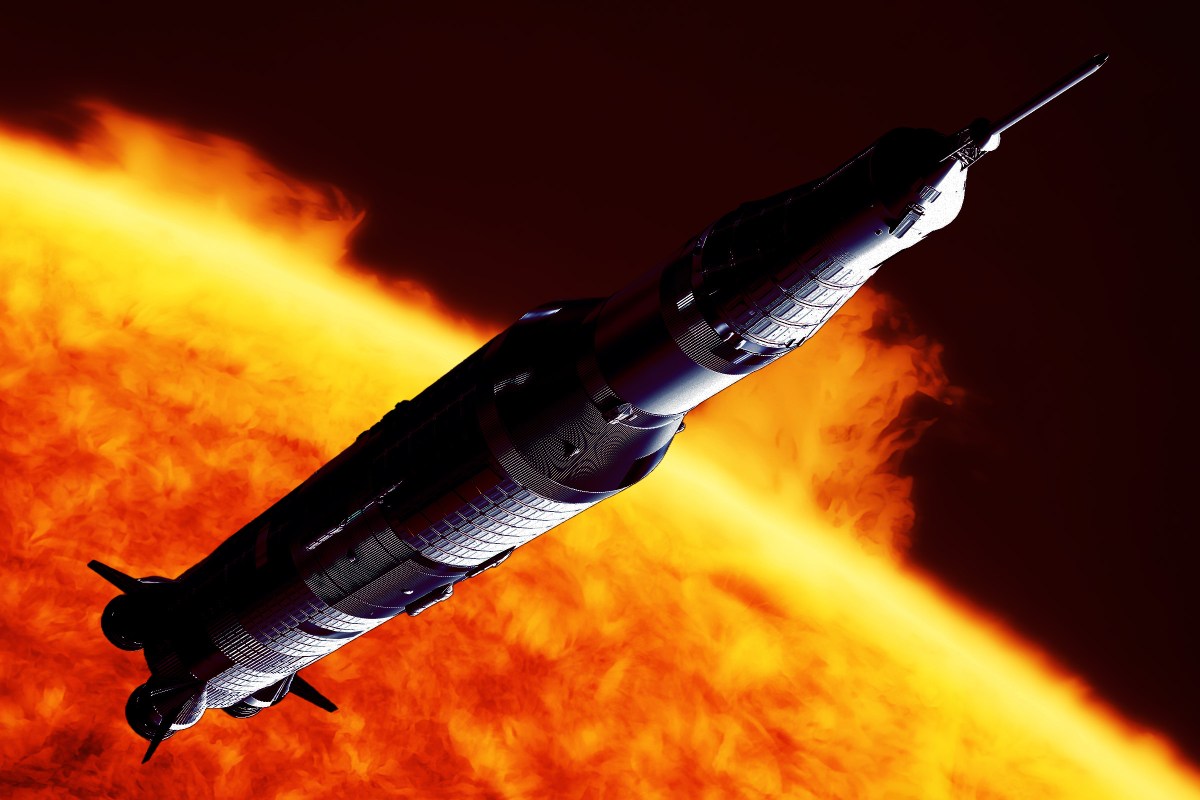
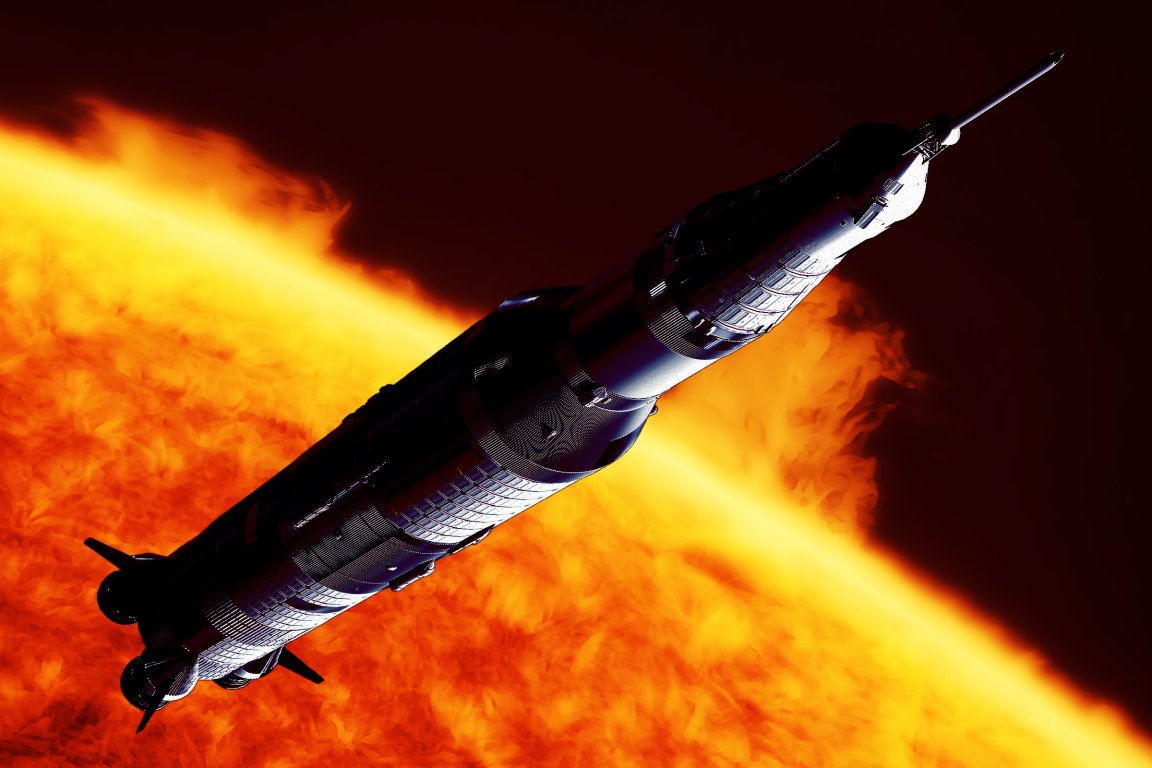
    If, for some reason, we as a society executed villains by firing them into the Sun, this is how an astronomers says we would do it.

    Advertisement

    Illustration by Tag Hartman-Simkins / Futurism. Source: Getty Images

    We are not advocates of executing people in cruel and unusual ways here on Futurism, but we have to admit we are intrigued by this astronomer’s proposal of launching bad people into the Sun.

    Of course, as the associate professor of astronomy at Monash University Michael JI Brown explains: the concept “sounds easy enough,” but “may be harder than you think.” And the reasons why are fascinating — at least from a perspective of physics, rather than criminal justice.

    First, the rocket carrying our hypothetical villain deserving of a dramatic demise has to be going incredibly fast to break free of Earth’s gravity — at least 11 kilometers per second, or over 25,000 miles per hour. Let’s say we have a rocket capable of that, and we point it straight at the Sun — what then?

    “The results are, to be honest, disappointing,” Brown writes in a hopefully tongue-in-cheek essay for The Conversation. “We miss the Sun by almost 100 million kilometers.”

    As you may have surmised, that’s because the Earth is revolving around the Sun at around 30 kilometers per second, pushing our spacecraft off-course.

    “When our rocket leaves the proximity of the Earth it is traveling faster around the Sun than towards the Sun,” Brown explained. “At first the rocket gets closer to the Sun. But the motion of the rocket around the Sun and gravity results in an elliptical orbit that misses the Sun entirely.”

    Our launch trajectory, then, needs to counteract Earth’s orbit, which is no small feat, either. The rocket would need to break through low Earth orbit at 32 kilometers per second, while travelling in the opposite direction of our planet’s orbit. Once the rocket breaks free from the Earth’s grasp, it enters the Sun’s domain, where it is effectively not moving at all relative to the star.

    “At this point the Sun’s gravity would pull the rocket (and the villain contained therein) inexorably inward,” Brown wrote. “Given this is a journey of 150 million km, the trip would take roughly 10 weeks — plenty of time for our villain to consider their sins before fiery destruction.”

    So, problem solved, right? Maybe in a future when we have much more powerful rockets, but right now, no. As Brown notes, the fastest ever spacecraft to leave Earth was NASA’s New Horizons probe which launched in 2006 and reached its first destination Pluto in 2015. It reached a top launch velocity of 16.26 kilometers per second, which is only half of what we need to execute our villain.

    But Brown suggests we could use other planets like Jupiter for a gravity assist. By slingshotting around the planet’s orbit, our rocket could pick up significant speed. New Horizons did this by flying around the gas giant in 2007, speeding up by 14,000 kilometers per hour, and shortening its journey to Pluto by three years.

    “We can use the same process to get our villain into the Sun. We can launch them into an orbit that takes them past the planets,” Brown concludes. “With each planetary flyby their orbit is reshaped by gravity, taking our villain onto the next flyby and moving them closer and closer to the Sun.”

    More on people in alarming proximity to the Sun: Astonishing Photo Shows Man Skydiving Through Sun

    Advertisement
    Share. Facebook Twitter Pinterest LinkedIn Tumblr Email
    The Tech Guy
    • Website

    Related Posts

    US Destroys All Military Targets on Kharg Island Which Is Iran’s Oil Export Hub

    March 14, 2026

    NASA Selects Finalists in Student Aircraft Maintenance Competition – NASA

    March 13, 2026

    The US Plans to Break Ground on a Permanent Moon Base by 2030. Here’s What It Will Take.

    March 13, 2026

    Robot Escorted Away By Cops After Terrorizing Old Woman

    March 13, 2026

    SpaceX Space AI Ramp | NextBigFuture.com

    March 13, 2026

    Tiny NASA Spacecraft Delivers Exoplanet Mission’s First Images

    March 12, 2026
    Leave A Reply Cancel Reply

    Advertisement
    Top Posts

    The iPad Air brand makes no sense – it needs a rethink

    October 12, 202516 Views

    ChatGPT Group Chats are here … but not for everyone (yet)

    November 14, 20258 Views

    Facebook updates its algorithm to give users more control over which videos they see

    October 8, 20258 Views
    Stay In Touch
    • Facebook
    • YouTube
    • TikTok
    • WhatsApp
    • Twitter
    • Instagram
    Advertisement
    About Us
    About Us

    SynapseFlow brings you the latest updates in Technology, AI, and Gadgets from innovations and reviews to future trends. Stay smart, stay updated with the tech world every day!

    Our Picks

    Laptop performance and FPS drop after BIOS update

    March 14, 2026

    How to upgrade your car’s old audio system to work with Android Auto and Apple CarPlay

    March 14, 2026

    US Destroys All Military Targets on Kharg Island Which Is Iran’s Oil Export Hub

    March 14, 2026
    categories
    • AI News & Updates
    • Cybersecurity
    • Future Tech
    • Reviews
    • Software & Apps
    • Tech Gadgets
    Facebook X (Twitter) Instagram Pinterest YouTube Dribbble
    • Homepage
    • About Us
    • Contact Us
    • Privacy Policy
    © 2026 SynapseFlow All Rights Reserved.

    Type above and press Enter to search. Press Esc to cancel.

    Ad Blocker Enabled!
    Ad Blocker Enabled!
    Our website is made possible by displaying online advertisements to our visitors. Please support us by disabling your Ad Blocker.