

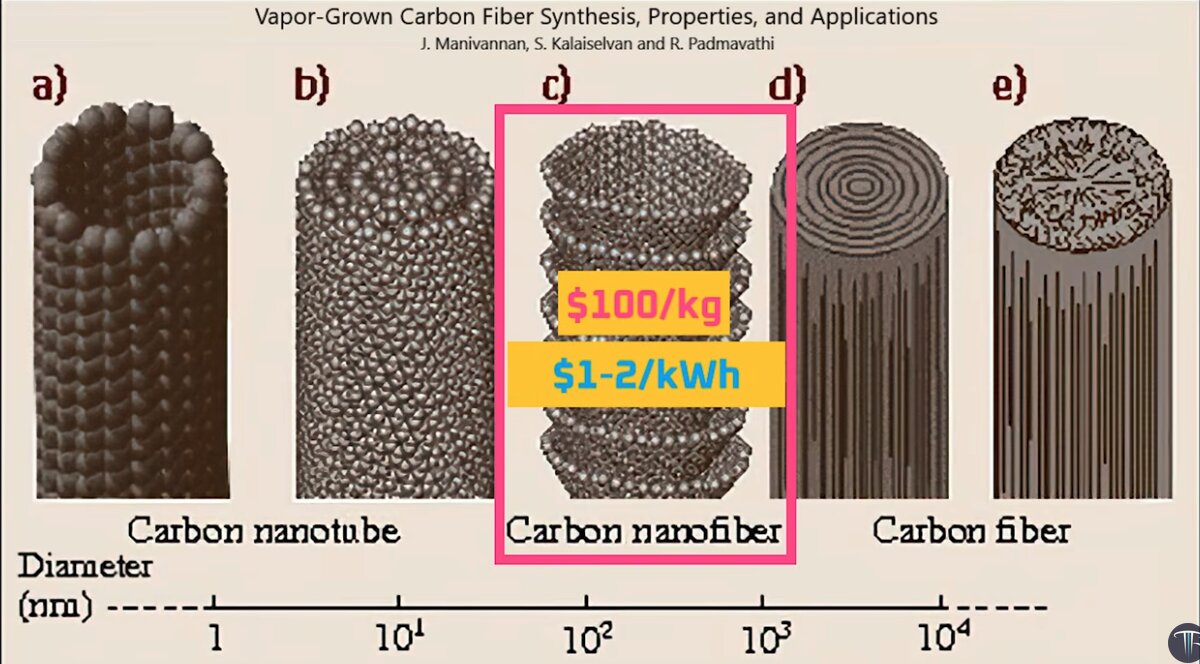

Carbon Nanofibers in Dry-Coated Batteries (21.8% Energy Density Gain) is described by Jordan at the Limiting Factor.
A new University of Chicago paper (published March 2026) demonstrates a simple but powerful tweak to dry-electrode cathode design that delivers a 21.8% increase in usable energy density while maintaining excellent cycle life. The breakthrough relies entirely on Tesla’s dry electrode coating process (the only commercial-scale dry-coating technology currently available) combined with vapor-grown carbon nanofibers (VGCF) or similar string-like carbon materials replacing traditional carbon-black particles.
Core Technical Change
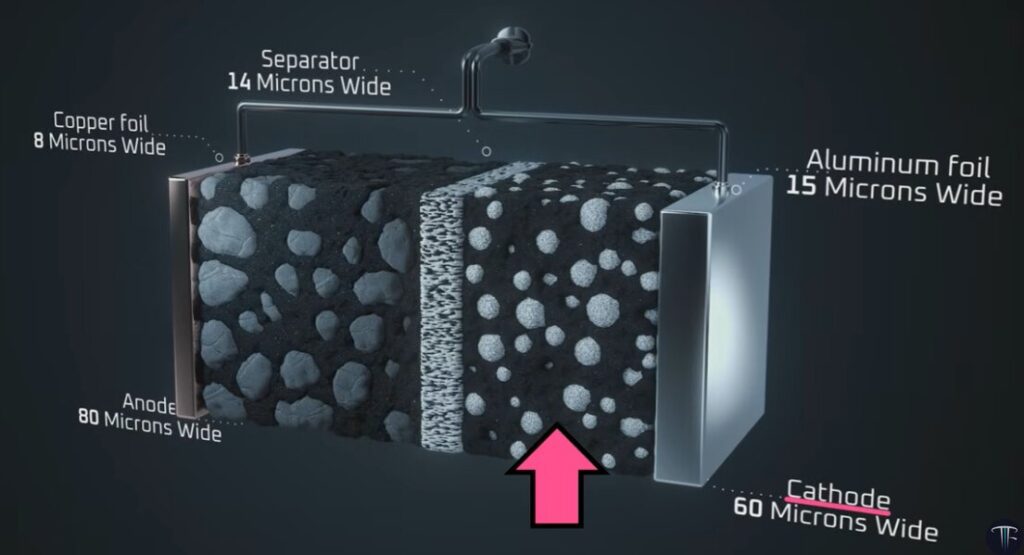
Traditional wet-slurry cathode (what most manufacturers use)
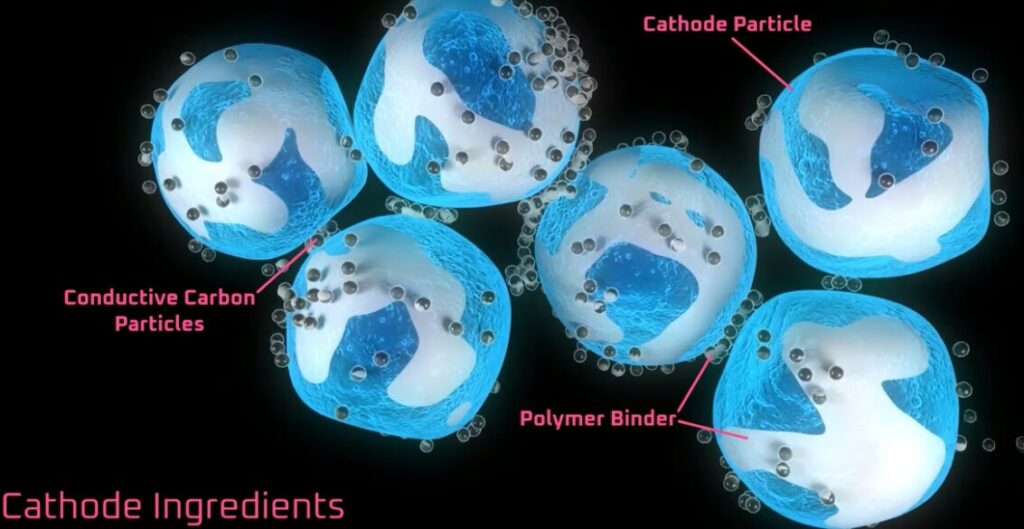
Carbon particles + PTFE binder create a fragmented conductive network. At high voltages (>4.2 V), uneven current flow causes voltage spikes, electrolyte reactions, and rapid cathode degradation.
New dry-coated cathode
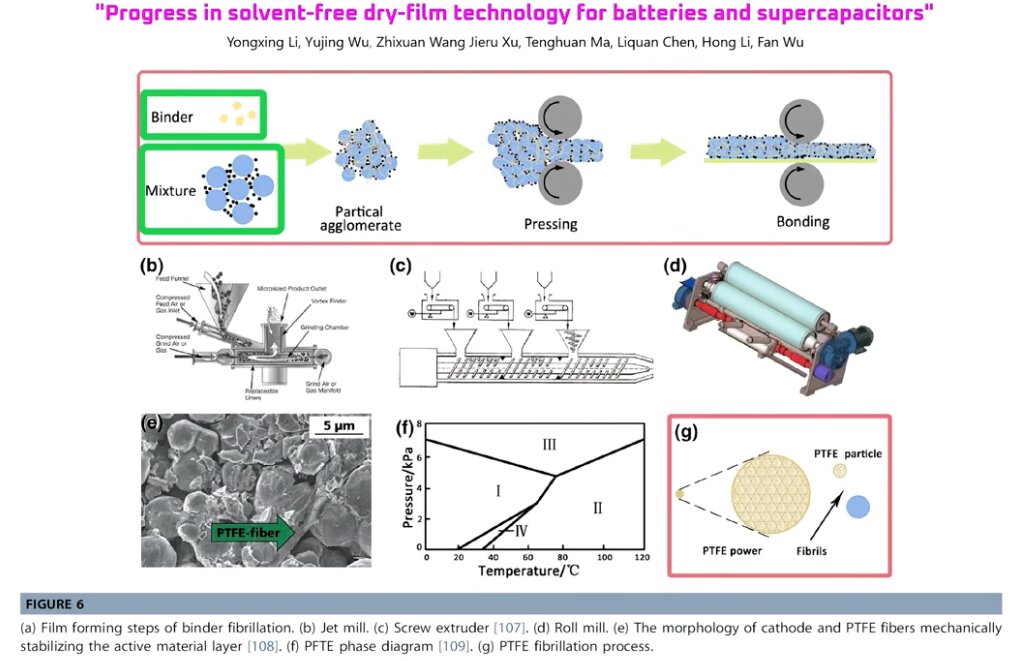
Uses Tesla’s solvent-free dry electrode process (mixing, fibrillating, and calendaring powders without toxic slurries or massive drying ovens).
Replaces spherical carbon particles with long, string-like vapor-grown carbon nanofibers (VGCF) at only 2–4% by weight.
During dry mixing, shear forces wrap PTFE binder filaments around the nanofibers, creating an insulated “sheathed” conductive network (like electrical wire with insulation).
Key Performance Improvements
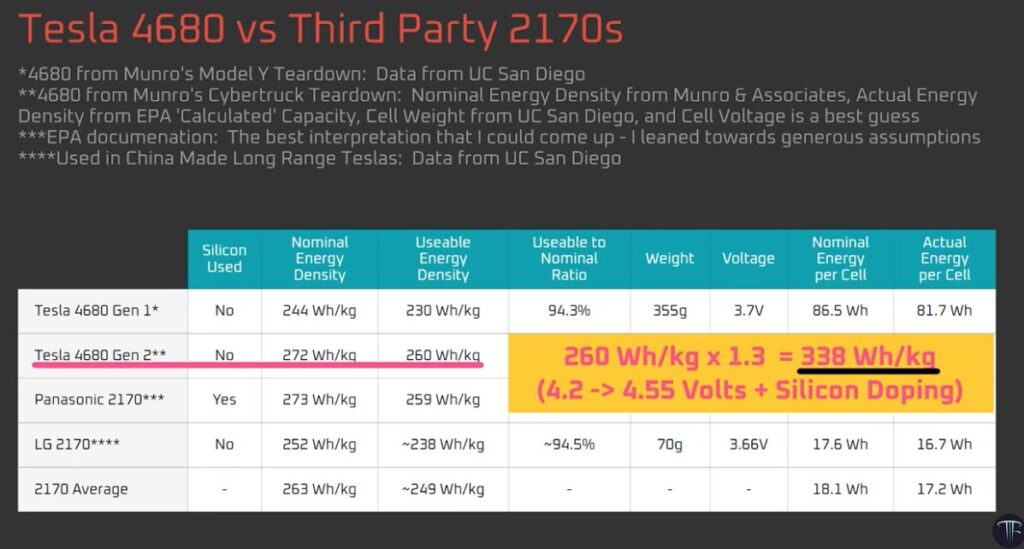
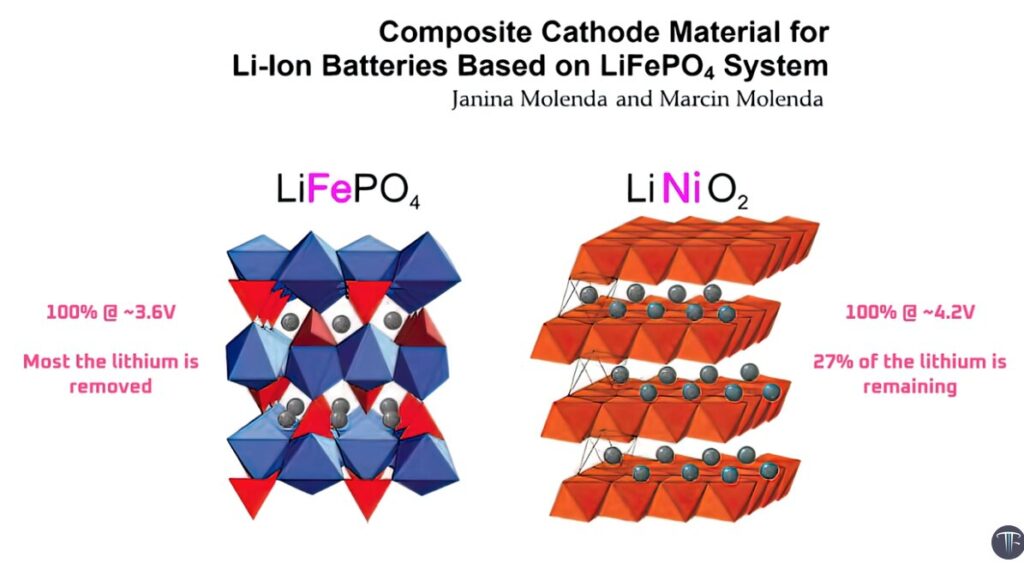
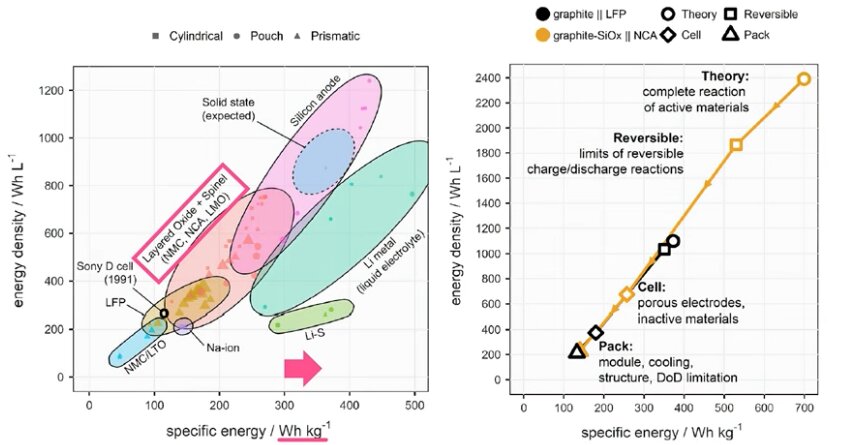
Charging to 4.55 V (vs. conventional 4.2 V limit) yields 21.8% more energy (317 Wh/kg usable vs. ~260 Wh/kg in today’s Tesla 4680 cells).
The paper projects ~340 Wh/kg long-term with minor anode tweaks (small silicon addition).
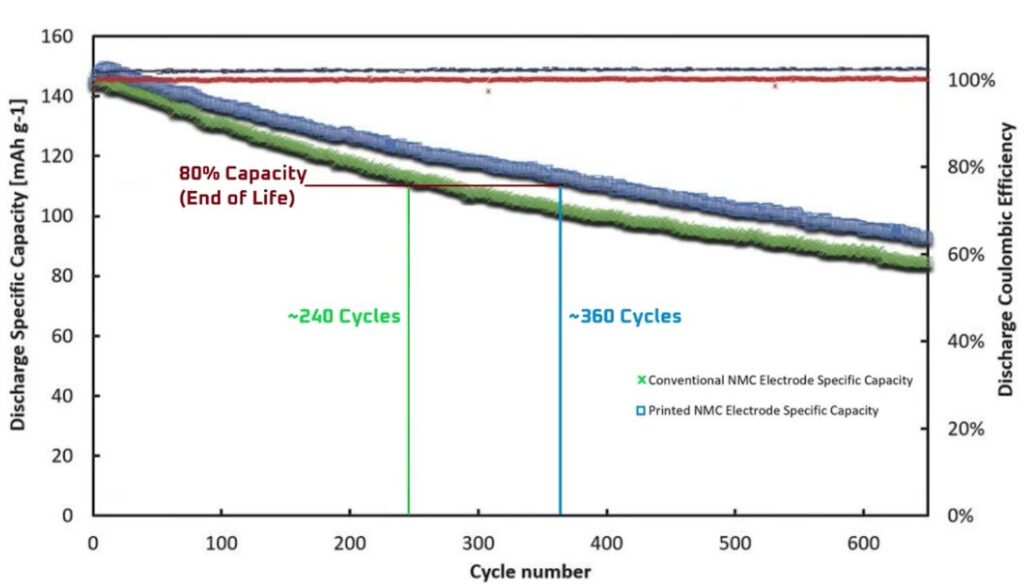
Cycle life: NMC811/graphite pouch cells retained 78% capacity after 1,000 cycles at the higher voltage—roughly in line with (or better than) standard high-nickel cells, with dramatically reduced high-voltage degradation.
Conductivity & uniformity
The sheathed carbon-fiber network is far more continuous and lower-resistance than carbon-black matrices. Current flows evenly through the conductive matrix instead of forcing the active material particles to carry uneven loads.
Side benefits
Lower surface area of nanofibers (vs. carbon black) reduces unwanted electrolyte reactions.
Less binder needed overall → higher active-material fraction → further energy-density and cost gains.
Potentially ~20% lower cost per kWh because the same chemistry now delivers 20% more energy with no major factory overhaul.
Why This Only Works at Scale with Dry Coating (Tesla Advantage)
The critical binder-sheathing effect only occurs under the high-shear, dry-mixing conditions of Tesla’s process. Wet-slurry methods cannot replicate the exact fiber–binder interaction. Tesla is currently the only company that has solved dry-electrode manufacturing at gigafactory scale, making this improvement uniquely deployable in their 4680 lines.
Bottom line: This is a near-drop-in cathode upgrade (no new chemistry required) that could push liquid-electrolyte EV batteries well above 300 Wh/kg usable while cutting costs and preserving long life.
The video from The Limiting Factor (uploaded March 25, 2026) breaks it down with clear visuals and timelines: the 21.8% boost comes from safely running higher voltages thanks to the insulated carbon-nanofiber network enabled by dry coating.
Paper links for full details: Nature Energy: https://www.nature.com/articles/s41560-026-01981-3
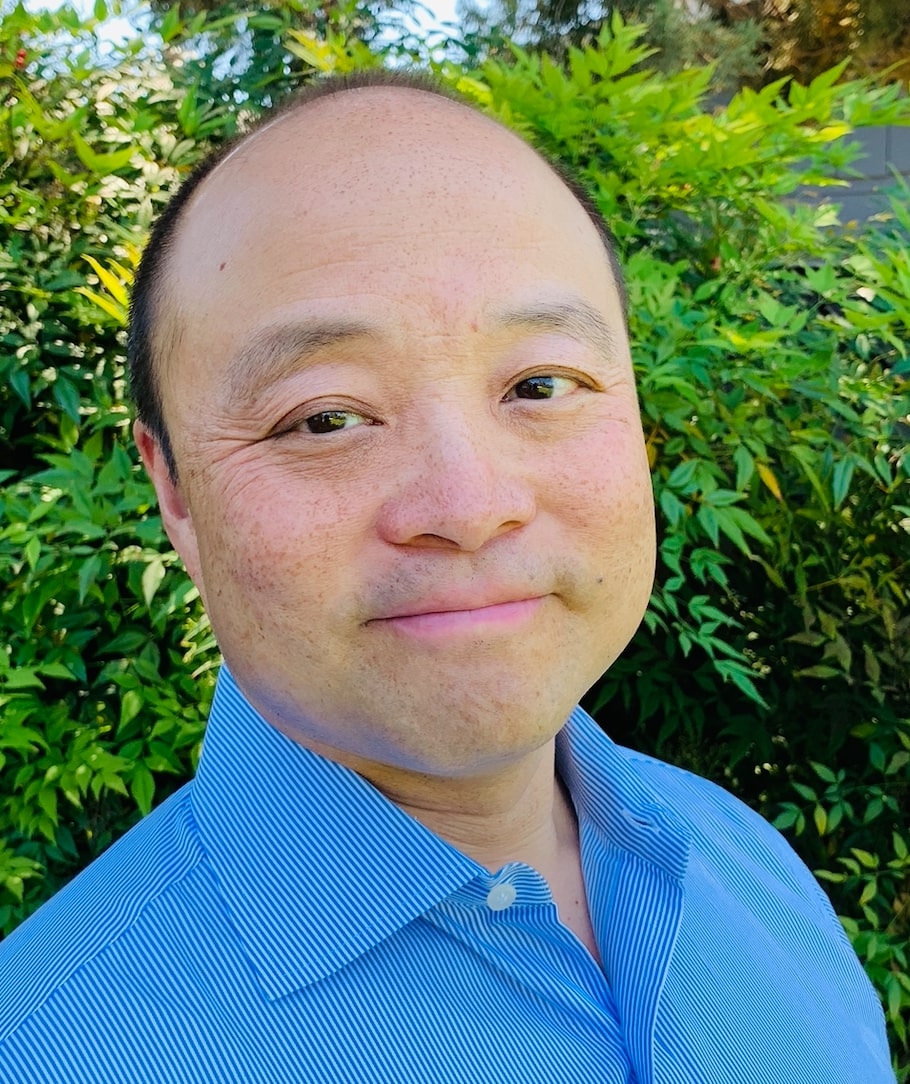
Brian Wang is a Futurist Thought Leader and a popular Science blogger with 1 million readers per month. His blog Nextbigfuture.com is ranked #1 Science News Blog. It covers many disruptive technology and trends including Space, Robotics, Artificial Intelligence, Medicine, Anti-aging Biotechnology, and Nanotechnology.
Known for identifying cutting edge technologies, he is currently a Co-Founder of a startup and fundraiser for high potential early-stage companies. He is the Head of Research for Allocations for deep technology investments and an Angel Investor at Space Angels.
A frequent speaker at corporations, he has been a TEDx speaker, a Singularity University speaker and guest at numerous interviews for radio and podcasts. He is open to public speaking and advising engagements.
