

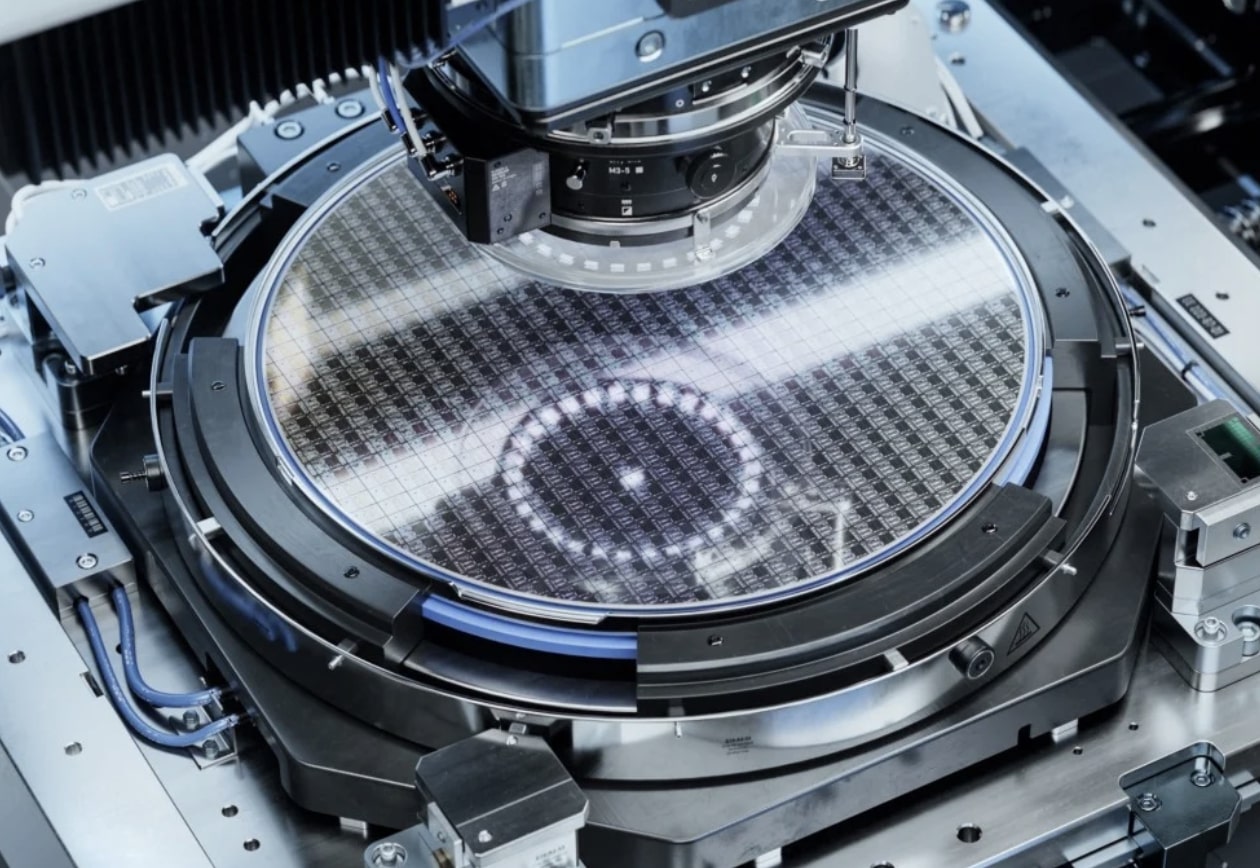

China has built a prototype EUV (extreme ultraviolent) lithography machine in a high-security laboratory in Shenzhen. They had a semiconductor Manhattan Project”. The prototype was completed in early 2025 and is now undergoing testing. It occupies nearly an entire factory floor and was assembled using reverse-engineered components.
Ramp-up timeline
Functional for chip production around 2028.
More realistic full mass-production capability is around 2030 or later.
In 2030, ASML/TSMC are expected to be on high-NA EUV or next-gen nodes. China will be about 1–2 generations behind initially.
Competitiveness assessment
Significant milestone — China has overcome initial barriers faster than many Western analysts predicted, showing the power of state-directed resources, talent recruitment (high salaries/bonuses for PhDs/ex-ASML experts), and reverse engineering.
Still far from commercial parity — The prototype lags in throughput, yield, reliability, and full integration compared to ASML’s mature systems (which took ~20 years to perfect). Yields and costs would likely be much worse initially, and China still depends on imports for some subsystems (e.g., advanced mirrors, resists).
It was built by a team of former engineers from Dutch firm ASML, the world’s leading supplier of photolithography machines that etch circuit patterns onto silicon wafers to create chips. They reverse-engineered ASML’s EUV machine using parts from older ASML machines obtained in secondary markets, the report said, citing two people with knowledge of the project.
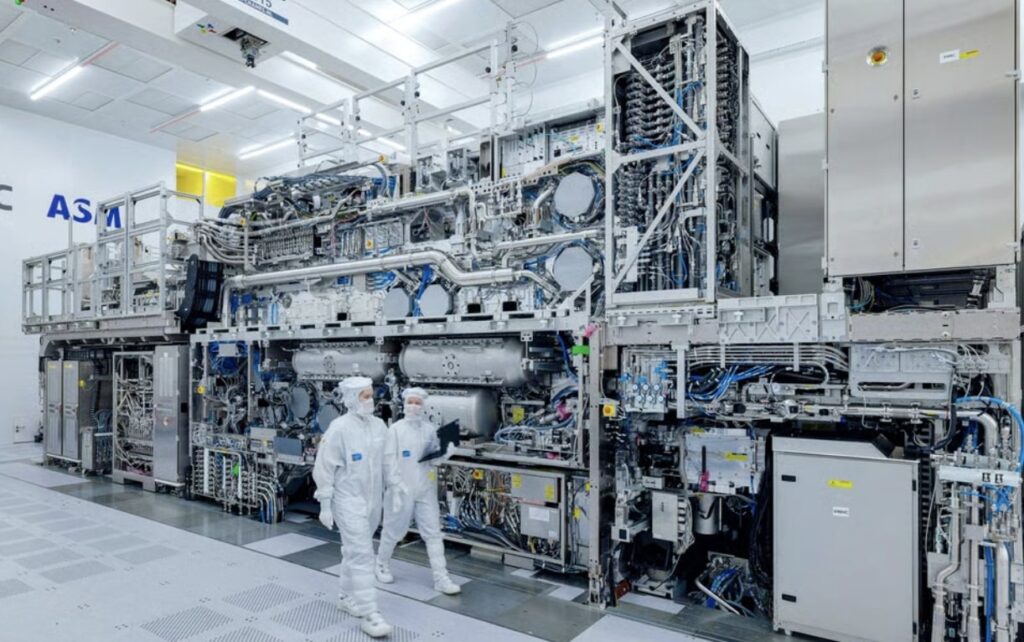
China’s prototype EUV machine was yet to produce working chips, the government has set a goal to make advanced integrated circuits on that equipment by 2028.
EUV systems are extremely complex, built from hundreds of thousands of parts across multiple geographies, with no single blueprint.
“Even if China were able to produce some EUV light [from its prototype], turning this into an economically viable manufacturing process could take years, if not decades,” Morningstar analyst Javier Correonero wrote in a research note on Thursday.
China’s EUV efforts are up against “arguably the best supply chain integration ever built”, Correonero said, pointing out ASML’s advantage.
Beyond high-end optics, he said ASML’s EUV machines contain “ultraprecise mechatronics” – the integration of mechanical engineering and computer science, alongside advanced vacuum systems, metrology and software.
According to a research paper published in March, former ASML head scientist Lin Nan led a group of engineers in developing an EUV light source platform that operates at internationally competitive parameters, which offered hope to domestic production of advanced integrated circuits. Lin was among the engineers involved in building the prototype EUV machine in Shenzhen, according to the Reuters report.
Chinese lithography systems maker Shanghai Micro Electronics Equipment, according to a patent filed in March 2023, had also made progress in EUV radiation generators and lithography equipment.
China’s market for lithography machines was 99 per cent controlled by ASML and Japanese suppliers Nikon and Canon.
China manages to meet around 2 per cent of the domestic demand for process control tools in chipmaking from local suppliers, according to TechInsights data. That percentage on the lithography side was about 1.5 per cent, and about 10 per cent on the entire wafer fab equipment sector.
Brian Wang is a Futurist Thought Leader and a popular Science blogger with 1 million readers per month. His blog Nextbigfuture.com is ranked #1 Science News Blog. It covers many disruptive technology and trends including Space, Robotics, Artificial Intelligence, Medicine, Anti-aging Biotechnology, and Nanotechnology.
Known for identifying cutting edge technologies, he is currently a Co-Founder of a startup and fundraiser for high potential early-stage companies. He is the Head of Research for Allocations for deep technology investments and an Angel Investor at Space Angels.
A frequent speaker at corporations, he has been a TEDx speaker, a Singularity University speaker and guest at numerous interviews for radio and podcasts. He is open to public speaking and advising engagements.
