


There are plenty of smart TVs on the market available, and while that’s largely a good thing, it does mean you can’t just walk into the store and pick anything out. I mean, I suppose you could do that, but you’d be doing yourself a major disservice. TVs can do quite a bit today. They can play your favorite apps, they can have different versions of HDR, and, depending on the model, they can run your games better.
I’m talking about the 120Hz TVs, and if I were buying a new TV today, I would pick one that has 120Hz support so I can play my games at 120 FPS. That may not be a big deal to everybody, but in this day and age, I’m trying to maximize each of my purchases. My Sony Bravia X90J is several years old at this point, but it has 120 FPS support, and I enjoy playing my Xbox Series X on it still.
I’m not saying you have to toss out your current TV, but if you’re in the market for something new, you should consider 120Hz. Even if you’re not using it now, it’s something that’ll have value down the road. Perhaps the next generation of consoles will be more capable of hitting 120 FPS than these, and you’ll be glad you bought that 120Hz TV years ago if that’s the case.
A high refresh rate TV is big for me
I like having more features’

I would say I watch more movies than I do play games, but that doesn’t mean I don’t appreciate having the ability to play something at 120 FPS if I want to. Like many people, I jumped into the current-gen consoles as soon as I could due to the promise of 120 FPS support. Sure, most games don’t come close to hitting that number, but 120Hz screens, thanks to VRR, still see benefits even if the game can’t quite hit 120 FPS consistently. More games are starting to add 40 FPS modes that take advantage of VRR, and that’s something you’ll only benefit from with a 120Hz TV. The downside is that these TVs typically cost more than their 60Hz counterparts, but if you’re a gamer, I’d say it’s worth the price.
The downside to this is that 120Hz doesn’t hold much value at all if you’re primarily watching something on streaming. A regular 60Hz display will do just fine as movies and TV shows don’t take advantage of a panel like this. Even casual gamers might decide to save some cash, and I can’t argue with anybody who does that. When it comes to me, I know exactly what I’m looking for in my TV, and I see how much value I’ve gotten out of my 120Hz display. I know I don’t want to go back to a world without it. I have an Amazon Fire TV in my spare bedroom without a 120Hz display, and while games look nice on it, I don’t find myself playing cutting-edge releases on it as much as I do on my Sony.
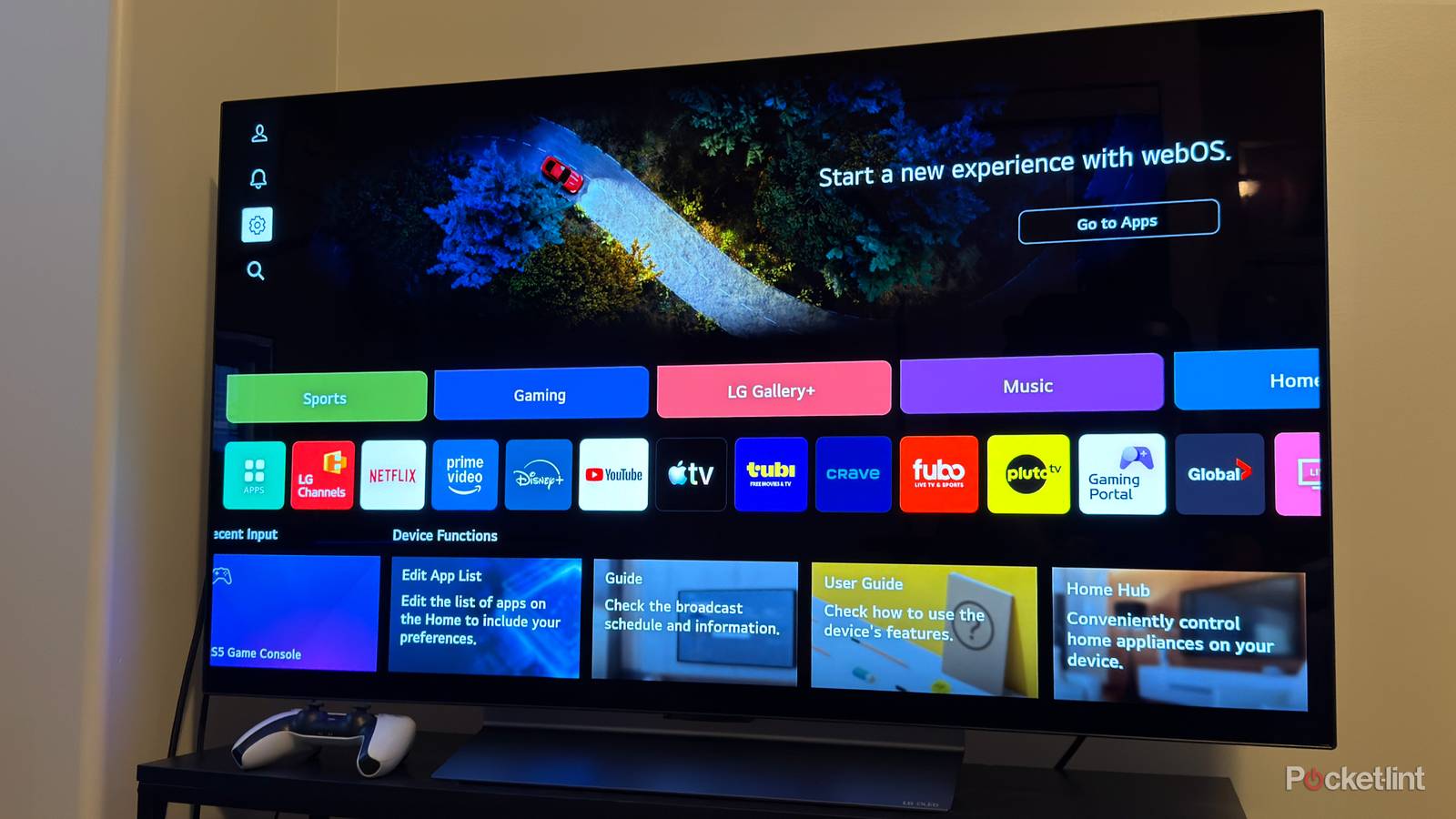
Another good thing is that 120Hz is often a bonus on top of the nice TV you’re already buying. For example, a high-end OLED TV might catch your attention if you’re looking for the best picture quality you can get. The LG B5, for example, is one of the best OLEDs around, and it has a 120Hz display. You’ll find that that’s the case for many of the high-end TVs, so you might get the best of both worlds without even specifically looking for it. I initially wanted my X90J for Dolby Vision, and the fact that it received VRR support in a firmware update was just icing on top of the cake.
I don’t worry about the price anymore
Buy once, cry once

Although 120Hz displays tend to be more expensive, it’s not something I’m worried about anymore. I’ve largely moved away from buying budget versions of things I use daily. If it’s something like a mattress, a chair, or a TV, I don’t want to cheap out anymore. I use these things all the time, so I’m going to make sure they meet my needs. I hate having to replace something too soon and realizing I should have just spent a bit more money in the first place.
It’s especially frustrating with technology because of the high price tag, even for budget things. TVs still cost a few hundred dollars if you get a budget 4K one. In the case of 120Hz displays, you can have some future proofing built into it that you have to be aware of. I imagine the console generation after the Xbox Series X|S and PS5 will continue to push for 120 FPS, and you’ll be glad you have a TV that’s already capable of it in your living room. Buying both a new console and TV is a tough pill to swallow, so already having a capable TV goes a long way.
