

Close Menu

    Subscribe to Updates

    Get the latest Tech news from SynapseFlow

    What's Hot

    NASA Completes First Flight of Laminar Flow Scaled Wing Design

    February 12, 2026

    Our pick of the best, ranked and rated

    February 12, 2026

    This hidden Samsung code gives you access to things you’re not meant to see

    February 11, 2026
    Facebook X (Twitter) Instagram
    • Homepage
    • About Us
    • Contact Us
    • Privacy Policy
    Facebook X (Twitter) Instagram YouTube
    synapseflow.co.uksynapseflow.co.uk
    • AI News & Updates
    • Cybersecurity
    • Future Tech
    • Reviews
    • Software & Apps
    • Tech Gadgets
    synapseflow.co.uksynapseflow.co.uk
    Home»Future Tech»NASA Completes First Flight of Laminar Flow Scaled Wing Design
    NASA Completes First Flight of Laminar Flow Scaled Wing Design
    Future Tech

    NASA Completes First Flight of Laminar Flow Scaled Wing Design

    The Tech GuyBy The Tech GuyFebruary 12, 2026No Comments3 Mins Read0 Views
    Share
    Facebook Twitter LinkedIn Pinterest Email
    Advertisement


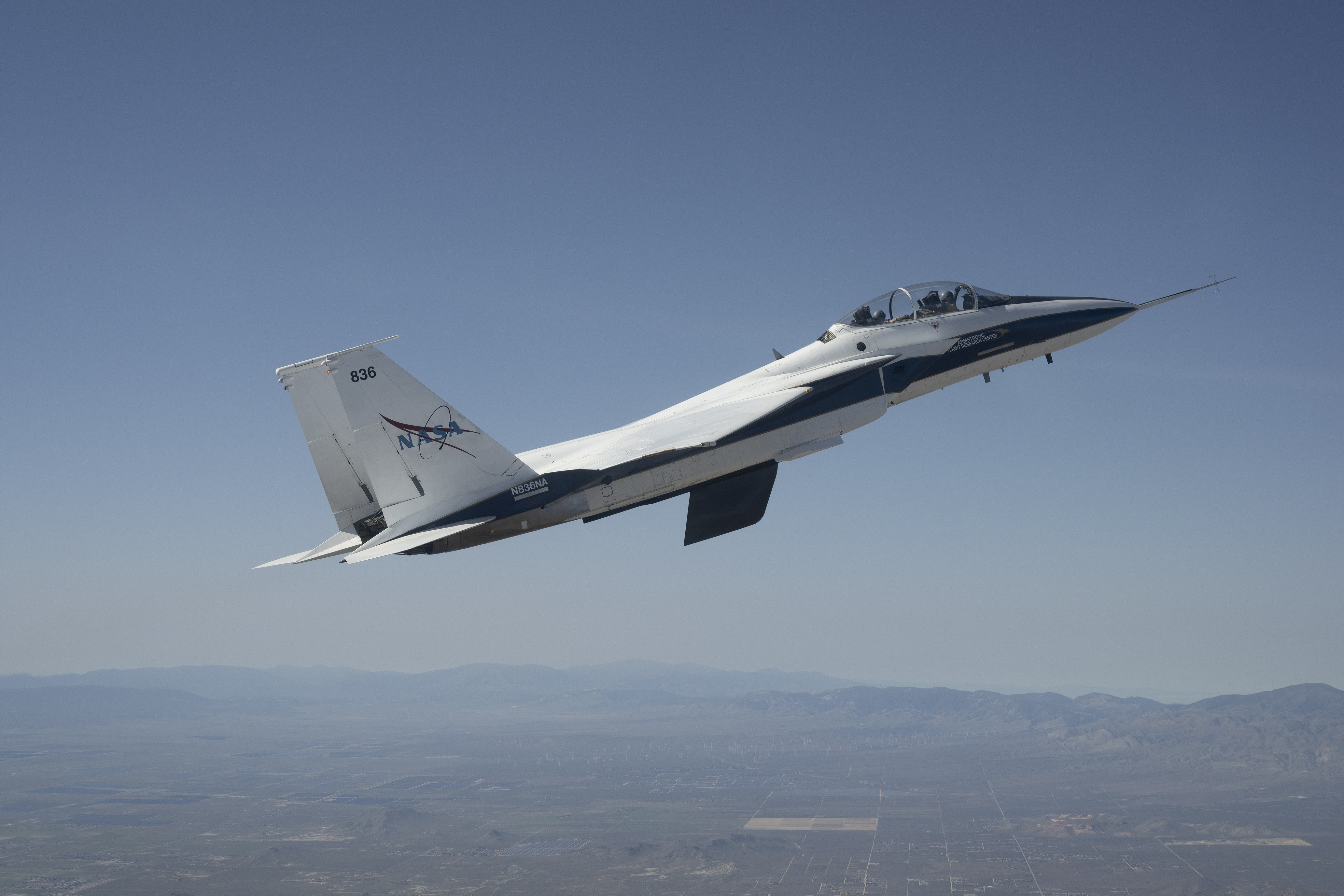
    NASA completed the first flight test of a scale-model wing designed to improve laminar flow, reducing drag and lowering fuel costs for future commercial aircraft. 

    Advertisement

    The flight took place Jan. 29 at NASA’s Armstrong Flight Research Center in Edwards, California, using one of the agency’s F-15B research jets. The NASA-designed, 40-inch Crossflow Attenuated Natural Laminar Flow (CATNLF) wing model was attached to the aircraft’s underside vertically, like a fin. 

    The flight lasted about 75 minutes, during which the team ensured the aircraft could maneuver safely in flight with the additional wing model. 

    “It was incredible to see CATNLF fly after all of the hard work the team has put into preparing,” said Michelle Banchy, research principal investigator for CATNLF. “Finally seeing that F-15 take off and get CATNLF into the air made all that hard work worth it.” 

    NASA designed the CATNLF technology to improve the smooth flow of air, known as laminar flow, over swept-back wings, used in everything from airliners to fighter jets, by reducing disruptions that lead to drag. Maintaining laminar flow could help lower fuel burn and costs. 

    This flight was the first of up to 15 planned for the CATNLF series, which will test the design across a range of speeds, altitudes, and flight conditions. 

    “First flight was primarily focused on envelope expansion,” Banchy said. “We needed to ensure safe dynamic behavior of the wing model during flight before we can proceed to research maneuvers.” 

    During the flight, the team performed several maneuvers, such as turns, steady holds, and gentle pitch changes, at altitudes ranging from about 20,000 to nearly 34,000 feet, providing the first look at the aerodynamic characteristics of the wing model and confirming that it is working as expected. 

    The team measured laminar flow using several tools, including an infrared camera mounted on the aircraft and aimed at the wing model to collect thermal data during flight tests. They will use this data to confirm key aspects of the design and evaluate how effectively the model maintains smooth airflow. 

    “CATNLF technology opens the door to a practical approach to getting laminar flow on large, swept components, such as a wing or tail, which offer the greatest fuel burn reduction potential,” Banchy said.  

    Early results showed airflow over the aircraft closely matched predictions made using computer models, she said. 

    The first flight builds on earlier work accomplished through computer modeling, wind tunnel testing, ground tests, and high-speed taxi tests. NASA plans to continue flight tests to gather research data that will help further validate the CATNLF test article and its potential for future commercial aircraft designs. 

    The CATNLF testing is a collaboration under NASA’s Flight Demonstrations and Capabilities project and Subsonic Vehicle Technologies and Tools project. The CATNLF concept has been supported through the combined efforts of NASA’s Advanced Air Vehicles Program and Integrated Aviation Systems Program under the agency’s Aeronautics Research Mission Directorate.

    Advertisement
    Share. Facebook Twitter Pinterest LinkedIn Tumblr Email
    The Tech Guy
    • Website

    Related Posts

    Your Genes Determine How Long You’ll Live Far More Than Previously Thought

    February 11, 2026

    ChatGPT Users Are Crashing Out Because OpenAI Is Retiring the Model That Says “I Love You”

    February 11, 2026

    Without Blue Origin Launches AST SpaceMobile Will Not Have Usable Service in 2026

    February 11, 2026

    Curiosity Blog, Sols 4798-4803: Back for More Science

    February 10, 2026

    Scientists Send Secure Quantum Keys Over 62 Miles of Fiber—Without Trusted Devices

    February 10, 2026

    Kidnapping Senior Citizens for Ransom

    February 10, 2026
    Leave A Reply Cancel Reply

    Advertisement
    Top Posts

    The iPad Air brand makes no sense – it needs a rethink

    October 12, 202516 Views

    ChatGPT Group Chats are here … but not for everyone (yet)

    November 14, 20258 Views

    Facebook updates its algorithm to give users more control over which videos they see

    October 8, 20258 Views
    Stay In Touch
    • Facebook
    • YouTube
    • TikTok
    • WhatsApp
    • Twitter
    • Instagram
    Advertisement
    About Us
    About Us

    SynapseFlow brings you the latest updates in Technology, AI, and Gadgets from innovations and reviews to future trends. Stay smart, stay updated with the tech world every day!

    Our Picks

    NASA Completes First Flight of Laminar Flow Scaled Wing Design

    February 12, 2026

    Our pick of the best, ranked and rated

    February 12, 2026

    This hidden Samsung code gives you access to things you’re not meant to see

    February 11, 2026
    categories
    • AI News & Updates
    • Cybersecurity
    • Future Tech
    • Reviews
    • Software & Apps
    • Tech Gadgets
    Facebook X (Twitter) Instagram Pinterest YouTube Dribbble
    • Homepage
    • About Us
    • Contact Us
    • Privacy Policy
    © 2026 SynapseFlow All Rights Reserved.

    Type above and press Enter to search. Press Esc to cancel.

    Ad Blocker Enabled!
    Ad Blocker Enabled!
    Our website is made possible by displaying online advertisements to our visitors. Please support us by disabling your Ad Blocker.