

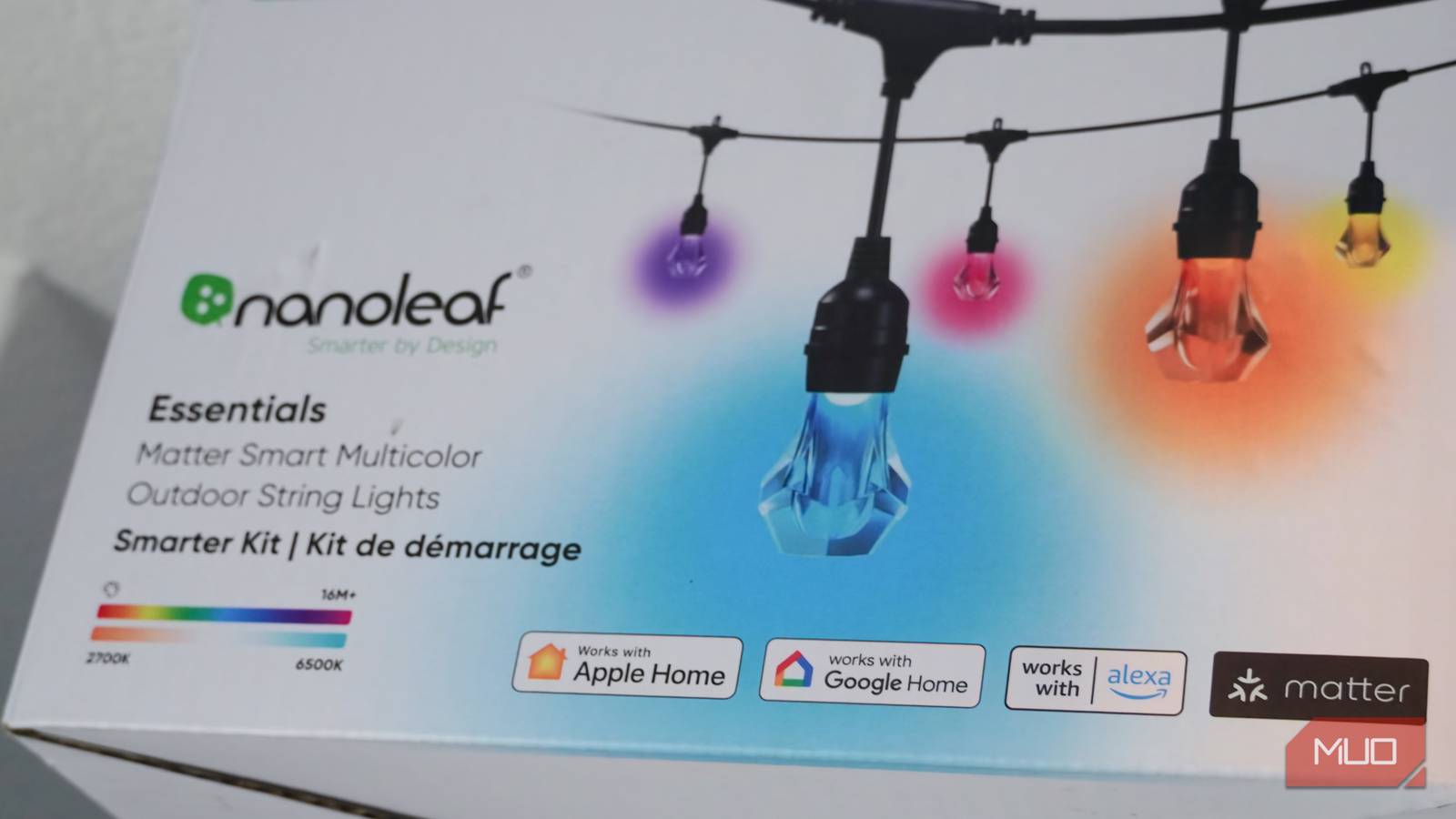

I never buy into a single device or software ecosystem. It’s partly an occupational hazard, because I need to stay familiar with every brand and operating system. It’s also because I want to try the bleeding edge of tech, regardless of the logo on the back of a product. That means I’m using iOS and Android daily, as well as macOS and Windows. It’s usually a headache, but there’s one area where I can mix-and-match gadgets without worrying about interoperability problems — my smart home.
A decade ago, it wasn’t that simple. I had certain smart home gadgets in the Amazon Alexa ecosystem, others in the Google Home ecosystem, and a few more in the Apple HomeKit ecosystem. They didn’t play nice with each other, so I had to remember to use Alexa for some tasks, Google Assistant for others, and Siri to round things out. I ended up buying extra gadgets due to restrictive ecosystems, but thankfully, the industry came together to build the Matter standard. It’s an open-source platform maintained by the Connectivity Standards Alliance, and over 500 tech companies are members.
Matter still isn’t perfect, but it’s officially good enough that I can stop caring about brand names when shopping for smart home gadgets. When I see the Matter logo on a box, I know it’ll work with my entire smart home at a glance.
Matter made a lot of smart home gear pointless — here’s what actually survived
There’s still plenty that works.
The key to Matter is the device you already own
A surprising number of older smart home devices are hubs
An open connectivity standard is only successful if the industry buys into it, and that’s the best thing about Matter. It includes all the big smart home ecosystems, including Amazon Alexa, Google Home, Apple HomeKit, and Samsung SmartThings, plus many more smaller accessory brands. Since the Matter connectivity protocol uses relatively basic networking technologies like Wi-Fi, Thread, and Bluetooth Low Energy, the hardware you already have is likely supported. I primarily use Google Home to manage my Matter smart home, and there are a flurry of older Google devices with Matter support.
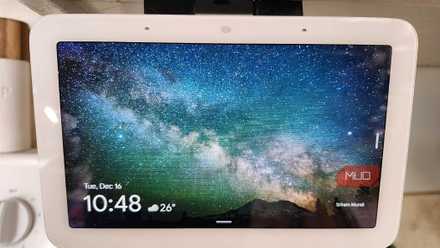
To start using Matter for your smart home, you need a Matter hub. That should be easy — the Google Home, Home Mini, Google Nest Mini, Nest Audio, first-generation Nest Hub, and Google Home smart TVs can all function as Matter hubs using Wi-Fi. Newer devices like the second-generation Nest Hub, Nest Hub Max, Nest Wi-Fi Pro, and Google TV Streamer 4K serve as both a Matter hub and Thread border router. The Nest Hub Max, for instance, is nearly seven years old and works as the cornerstone of your Matter and Thread smart home.
Looking beyond the Google Home ecosystem, it’s a similar story. Apple users will find that the HomePod, HomePod Mini, and Apple TV 4K all function as Matter hubs and Thread border routers. Amazon devices in the Echo Dot, Pop, and Show lines can serve as Matter hubs. In other words, you don’t have to go out and buy brand-new hardware to start building a Matter home. The devices you already have will probably work. The newest Matter hub I have in my Google Home setup is the 2019 Nest Hub Max, and it’s running my Matter home smoothly.
Matter accessories connect with zero hassle
Stop looking for HomeKit or Google Home logos
I’ve mentioned how Google Home runs my smart home today, but that wasn’t always the case. Just a few years ago, I was all-in on Apple HomeKit, using Apple TVs and HomePods as the centerpiece of my smart home. I had HomeKit Secure Video cameras keeping an eye on my home. It was a complete and automated smart home ecosystem, until I switched over to Google Home. Matter is the only reason that choice was even possible — the interoperability of the bulk of my smart home accessories made the major platform shift feel like a breeze.
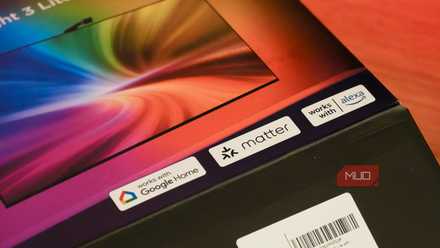
It makes product and software pairings possible that feel like they shouldn’t be, such as using Google’s Nest Thermostat with Apple’s HomeKit software. When you buy a new smart home accessory, the box will probably be littered with ecosystem logos. There’s really only one that matters, and it’s Matter. Pick a Matter accessory, and you’ll be able to pair it with Amazon Alexa, Google Home, Apple HomeKit, or Samsung SmartThings, regardless of whether the manufacturer added support for each ecosystem individually.
The pairing and setup process for Matter gear is simple, as long as you do it immediately. It requires a Matter pairing code, which is usually found on an accessory’s packaging or on a sticker. Wait too long, and you risk losing that crucial pairing code or having to factory reset your device later. That said, it’s quite impressive that I can buy the same light for use with any smart home ecosystem. It allows you and I to buy the product that fits our needs and price point perfectly, not just the one that is compatible with the rest of our smart home gear.
I’ve practiced this strategy myself when kitting out my home with smart lights. So far, I have bulbs and strips from Nanoleaf, Govee, and GE. They’re all competitors, and would probably prefer to have me buy into only one smart lighting ecosystem. Instead, I’ve mixed a bunch of smart lights together, and they all work in tandem thanks to Matter. I can use the same lights with different smart home platforms, or use lights from different brands in automations together. The flexibility is in your hands.
More device types are added regularly
I’d love to use my Nest Cams as Matter security cameras
The constant stream of Matter updates is what is slowly making the open standard superb. It started with light bulbs, switches, smart plugs, smart locks, safety and security sensors, media devices, smart blinds and shades, HVAC controllers, thermostats, and garage door controllers. This is a relatively basic set of smart home gadget types, but Matter only became more inclusive over time. Here’s how the Connectivity Standards Alliance built out the standard in subsequent revisions:
- Matter 1.2: refrigerators, fans, air purifiers, air quality sensors, air conditioners, dishwashers, laundry washers, robotic vacuums, and smoke and carbon monoxide alarms.
- Matter 1.3: energy management devices, EV chargers, water management devices, microwaves, ovens, stovetops, extractor hoods, and laundry dryers.
- Matter 1.4: solar power devices, batteries, heat pumps, and water heaters.
- Matter 1.5: camera and soil sensor support; improved EV charging and closure functionality.
Of course, support takes time. Matter 1.5 only arrived with security camera support late last year, and we still haven’t seen mainstream brands add their own cameras to the Matter ecosystem. I can’t say the Matter dream has been fully realized yet because many device types aren’t ubiquitous. Additionally, the functionality of Matter devices within the open standard is occasionally more limited than what you get with an accessory’s official app. Tie up these loose ends, and Matter becomes a near-perfect smart home standard.
For now, Matter is still the savior of my smart home. I’m mixing and matching accessories or switching smart home platforms without worrying about breaking compatibility, and that’s the beauty of it.

- Brand
-
Nest
- Display
-
7″ Touchscreen
- SMART ASSISTANTS
-
Gemini
Google’s Nest Hub is the core of my Matter smart home. It’s an affordable smart display that works as a Matter home hub and a Thread border router, managing the connections of all my Matter accessories.
