


When Spotify’s January price hike landed, I barely blinked. Individual Premium going up to $12.99? Fine. Then Netflix followed in March, pushing its Standard plan to $19.99 and once again raising the question of whether Netflix is still worth paying for as its price climbs. Again, I shrugged.
Looking back from September, those increases feel less like isolated annual adjustments and more like warning shots for a year where subscriptions across tech got noticeably more expensive. And while we were busy complaining about paying more to watch Stranger Things, some of the sharper increases were turning up in the boring tools and services we’re much less likely to cancel.
The price hikes escaped the streaming apps
The subscriptions that are hardest to quit know exactly what they’re worth
Canceling a streaming service is easy enough. You might miss a show everyone is talking about for a few weeks, but life moves on. Walking away from the software holding your passwords, documents, creative work, or years of personal data is a much bigger ask.
Evernote is a good example. This year, the company replaced its familiar Personal and Professional plans with Starter and Advanced. Starter costs $99 a year and caps accounts at 1,000 notes, while Advanced runs $249.99 a year and removes those content limits. Evernote says your existing content stays accessible if you cancel, though that doesn’t help much if you’ve spent years building an archive with thousands of notes. At that point, dropping to Starter means giving up the ability to keep adding notes unless you prune the account pretty aggressively, paying for Advanced, or packing everything up and moving somewhere else.
Password managers got in on the action too. According to The Verge, 1Password raised its Individual annual plan from $35.88 to $47.88 for renewals starting in late March after leaving the price mostly untouched for years. An extra twelve bucks a year sounds like little more than what you’d tip a waiter, but a password manager is exactly the kind of service that becomes difficult to leave. Once hundreds of logins, secure notes, and other credentials are woven into it, switching services becomes actual work.
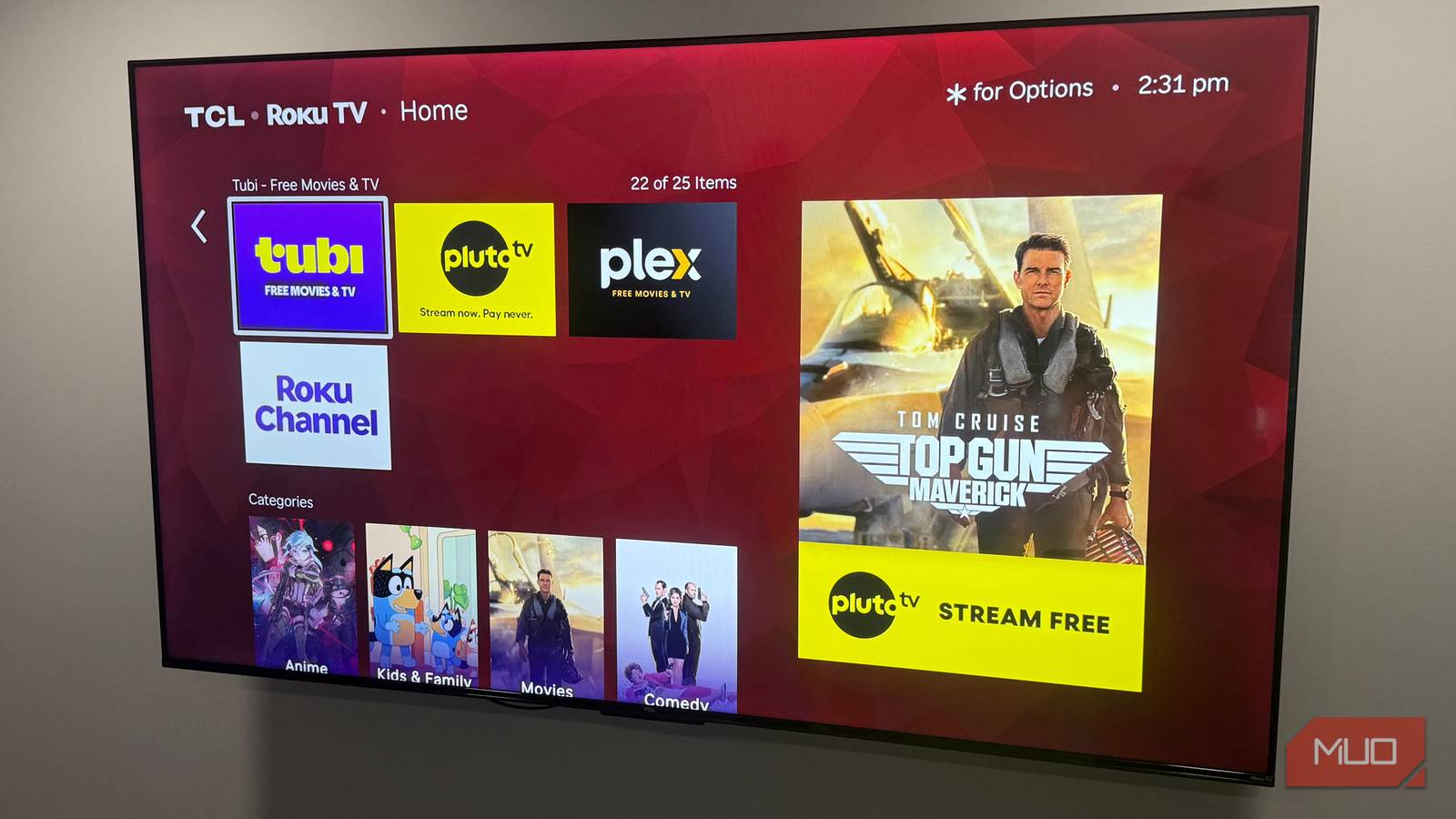
Plex took a different route by making the escape from recurring payments much more expensive. In July, its Lifetime Plex Pass jumped from $249.99 to $749.99. The monthly and annual plans stayed the same, so this was not a conventional subscription price increase. But if you wanted to pay once and be done with Plex Pass forever, that option suddenly cost three times as much.
Why is this happening now?
Subscription companies have figured out how far they can push

Blaming all of this on inflation is tempting, and probably the easiest explanation, but it only gets us part of the way there. Mature subscription businesses are starting to play a different game.
For years, companies like Spotify and Netflix were fixated on adding subscribers. Now that they already have massive paying audiences, squeezing a little more revenue out of each person can be just as appealing as chasing the next wave of sign-ups. Spotify told investors this year that it has been able to raise prices with minimal churn, which makes the math pretty obvious. Once a service is baked into someone’s routine, another dollar or two starts looking like an awfully easy lever to pull.
AI has also become a handy new justification for reshuffling plans and raising prices. Evernote’s new tiers bundle in AI features, while 1Password pointed to AI-powered item naming when explaining its increase. I never asked my notes app to summarize a grocery list for me, and I doubt I’m alone in wondering why an AI feature I may never use suddenly gets folded into the price of software I already had.
We’re also seeing digital shrinkflation, where the sticker price may stay the same while the subscription gives you less. Microsoft provided a fresh example in its recent September announcement. Beginning in November, Xbox Game Pass Ultimate will include 15 hours of cloud gaming per month instead of today’s unlimited monthly playtime, with additional hours available for purchase.
You want what you used to have? Buy more hours. It’s basically the subscription-era version of opening a cereal box and finding more air than cereal.
The $20 subscription is becoming dangerously normal
One harmless renewal at a time is how the bill gets ugly
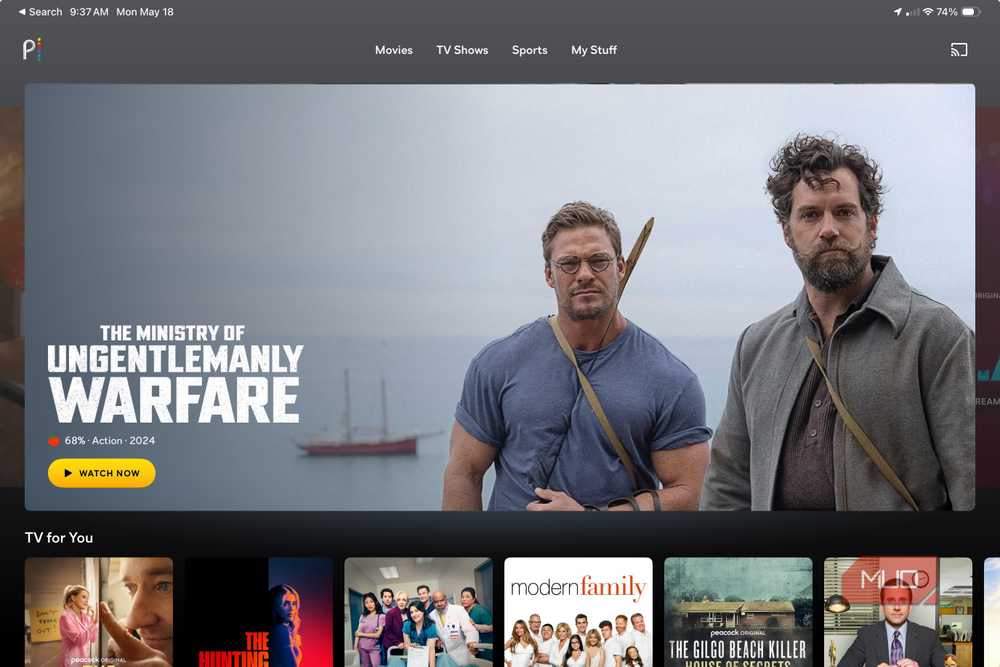
Psychologically, I think most of us are bad at judging cumulative costs because we evaluate each subscription on its own. Is Netflix Standard worth $19.99? Maybe. Is Peacock Premium Plus worth $19.99? Sure, if you use it enough.
The math gets uglier when every service starts creeping into the same price range. Peacock Premium Plus climbed from $16.99 to $19.99 in August, and later that month Apple TV went from $12.99 to $14.99. Each increase can sound reasonable in isolation. If you stack streaming, music, cloud storage, gaming, password management, and productivity software together, though, you can end up with a serious monthly bill without making one obviously extravagant purchase.
The bigger problem is what I think of as the “justification creep.” We justify the iCloud storage upgrade because we don’t want to lose photos. We justify Microsoft 365 because we need Word. We justify Spotify because the ads are unbearable. By the time we reach the purely optional stuff, the budget is already getting crowded, yet Renew keeps winning because canceling still feels just annoying enough to put off for another month.
If you wouldn’t subscribe today, maybe stop renewing
The most practical thing I’ve done is stop treating every subscription as its own $15 or $20 decision and start looking at the whole pile at once. If streaming, cloud storage, gaming, and productivity apps are costing you $200 a month, that turns into $2,400 a year pretty quickly, which is a much harder number to shrug off.
And so, for me, 2026 has basically become the year of the ruthless cull. I realized I was paying for libraries I barely opened and Pro tiers where I was using maybe two features that the cheaper plan already covered. That mindset has helped me stop paying for useless subscriptions that were surviving mostly because another renewal was easier than making a decision.
I’ve also started asking myself one question every time a renewal pops up. If I had never subscribed before, would I still sign up today at the current price? When the answer is no, that service usually belongs on the downgrade list, the temporary-cancellation list, or the chopping block altogether. It also helps to know when to cancel a subscription without wasting money if you’ve already paid through the current billing period.
The era of cheap, all-you-can-eat digital subscriptions is fading fast, and companies have gotten very good at extracting a little more money from people who are already settled in. That means I’ve had to get a lot pickier about which services earn a permanent spot on my credit card statement.
Netflix and Spotify were only the early warning shots. The harder question is which subscriptions will still feel worth keeping when the next price increase lands.
