

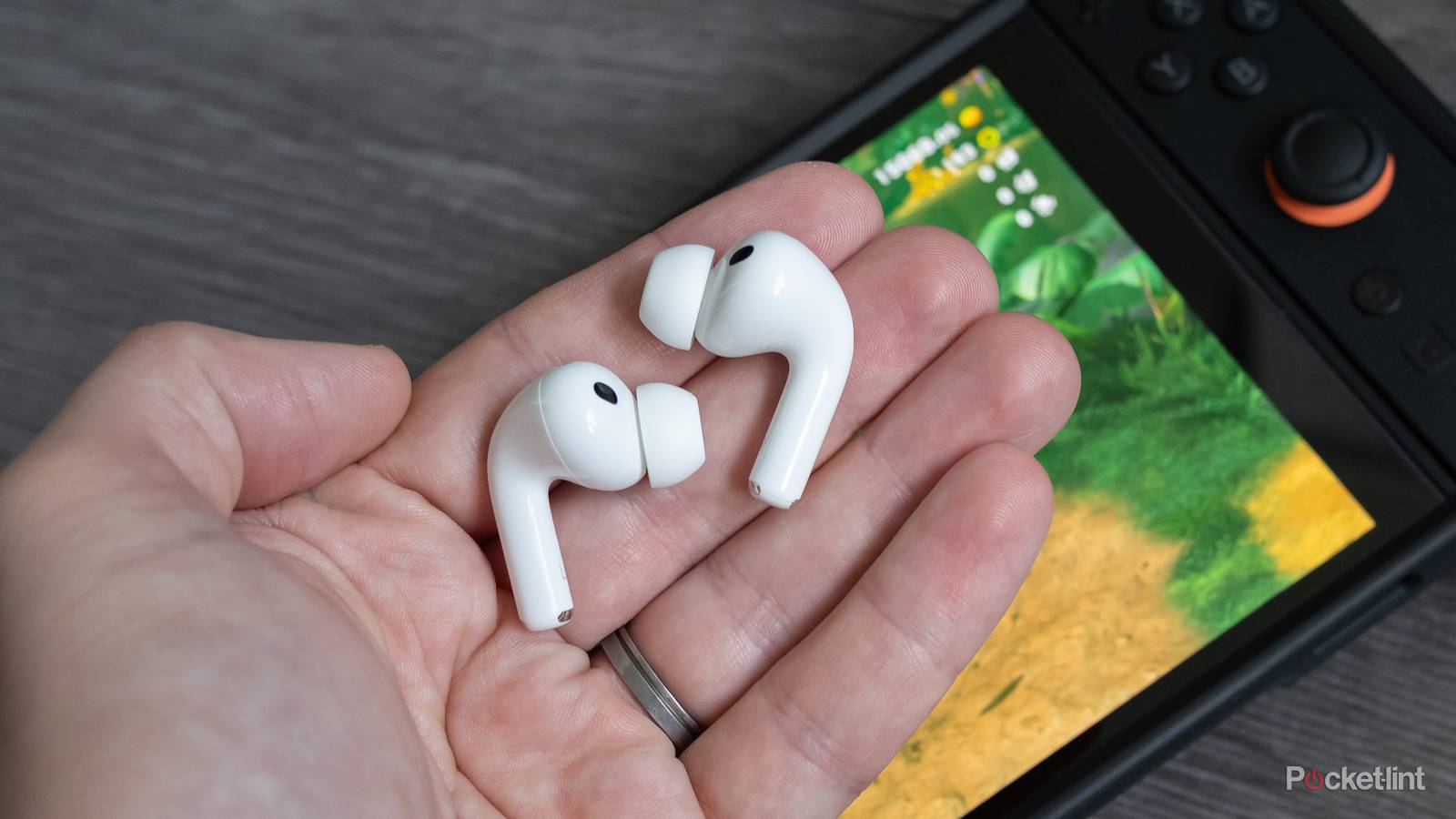

On a commute to work not too long ago, my earbuds completely bit the dust. They were a pair of AirPods I’d had for a while, but they weren’t ancient tech. I took great care of them, so they should have lasted a lot longer than they did. That didn’t seem right to me, so I started researching, and wouldn’t you know it, I got some answers.
I wasn’t a victim of just dumb luck or bad luck. Every pair of wireless headphones has a battery with a limited lifespan, and consumers can be absolutely clueless about when that lifespan ends. That said, how it happened, why, and what you can actually do to buy more time for those old faithful earbuds were mysteries to me beforehand. But thanks to a little research, I might be able to save you time and money by sharing what I learned.
Why earbud batteries age so fast
Tiny batteries with big workloads

Most earbuds have a life cycle of around two years. The biggest reason most earbuds go gonk (yes, that’s a Cyberpunk reference) comes down to what powers them. Most wireless headphones use a lithium-ion battery, which loses a little bit of juice with each charging cycle. That works fine for devices with large batteries, or ones you charge maybe once a day or even a week, but your earbuds charge every time you slot them back into their case.
That creates a trifecta of bad things for those tiny batteries: the case constantly applies heat, it keeps the earbuds at 100% charge, or they’re completely drained before you even plug them in. All of this means that the battery in your headphones actually dies faster than it’s supposed to, and that your charging habits might be what’s actually killing your listening experience. To top it off, these batteries can’t easily be swapped as they can on some phones. They’re typically sealed into tiny compartments, making them nearly impossible to access, so you’re forced to do exactly what I did and buy a new pair.
How you can buy more time
Settings to switch on right now and charging habits to help today

The absolute easiest thing you can do right now to ensure that your earbuds last longer is to ensure that optimized or adaptive charging features are enabled on the device itself. This is probably a feature that bugs you on your phone, but leave it on there, too, because I promise you that it will save you frustration in the long run. The second-easiest thing, though, is to keep them out of hot cars or direct sunlight as much as possible. Heat absolutely throttles lithium-ion batteries, and direct rays don’t help.
Also, stop using functions that drain the battery quickly when you don’t need them, like noise-canceling. At the gym? Sure, turn it on. In your office, by yourself, with nothing else around you? Turn it off. It’s not necessary all the time, and it’s draining those tiny batteries that keep your earbuds alive. These methods can keep your earbuds running much longer than mine did, assuming you regularly update the firmware as you should.
To buy or to replace
That is the question

Luckily, some manufacturers realize that to provide all the features they want, they sacrifice battery life, and some replacement options are available. Both Samsung and Apple have servicing available, so there’s really no need to go out and buy the latest model. However, it’s always tempting, isn’t it?
You can also purchase replacement cases, single earbuds, and more from some of these legacy manufacturers in the space. That makes things a bit easier on the wallet, for sure, but again, the cost vs. reward of buying a new pair is always worth considering. I’ll add that, though, even if you’re not a true audiophile, it is usually worth the extra money to get a nicer set. Sure, others share some features, but how they execute them matters, which is why I don’t think I’ll ever leave the legacy earbud manufacturers outright.
The third option, though, is to buy earbuds with replaceable batteries. Nearly every pair is wireless today, but those options do exist, like the Fairbuds 2 from Fairphone.
Knowing when to let go
Do the math first

This isn’t groundbreaking information, but there’s an art to knowing when to let go of a pair of earbuds, and it all comes down to how much money you have tied up in them. Always compare repair costs with the cost of a new pair, and consider what you’d gain or lose by upgrading or switching brands. For instance, now that my AirPods are down, I’m thinking of switching to either the Fairbuds or a new set of Sony earbuds. Why? The cost.
For your old pair, there are always secondary-market or trade-in options, but for the love of all things divine, please give them a good cleaning before listing them on Facebook Marketplace.
