

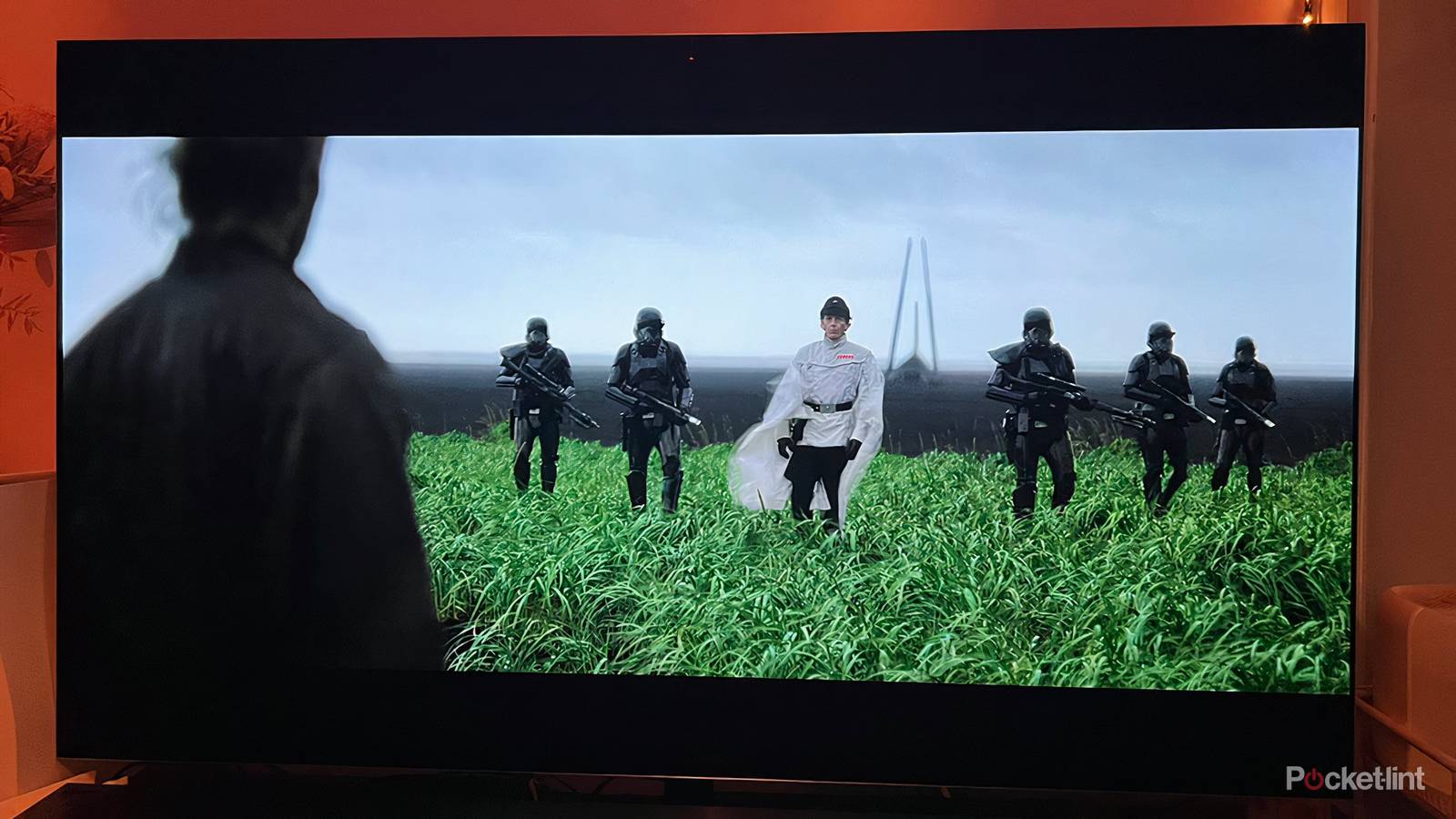

Of all the many smart TV settings employed to get the best picture possible, one of the most overlooked and misunderstood might be color temperature. It’s a setting that, when toggled, is quite noticeable, yet what it means and how it influences the image is less clear.
In order to enjoy the best viewing experience at home on your smart TV, it’s vital to understand every picture setting. Here’s what you need to know about color temperature, and how you should probably set it.
How color temperature works
Lighting tones influences activity and mood

Color temperature is a measurement in Kelvin (K) of the hue of white light. The spectrum runs from warm to cool; warmer colors have a yellowish or red tone to them, while cooler colors have a blue tint.
Color temperature goes a long way to informing the mood and effects of a given light source. Cooler lights tend to be found in offices or kitchens; these are places where people tend to want to be alert, functioning, and able to notice details. Warmer lights, conversely, typically foster a more comfortable, intimate mood, such as those found in bedrooms and living rooms.
On the color temperature scale, 6,500K is considered neutral daylight. As Kelvin decreases, the light gets warmer, moving from yellow to orange to red. As Kelvin increases, color turns to light blue and then grows darker. For example, sunrise and sunset are typically around 2,500K, while office spaces often employ a color temperature of around 5,500K.
Color temperatures can be measured from any light source, and typically consumers look at bulbs and lamps when considering this setting. However, color temperature options are also found on screens, including e-readers, monitors, and smart TVs.
Smart TV color temperature options
Warmer and cooler choices are available

The Kelvin daylight standard comes into play when you start looking at color temperatures on smart TVs and other electronics. D65, referring to daylight at 6,500K, is the term for the standard of white light used in film and TV production. It’s the target neutral white point used for display calibration, including in smart TVs. So, when you are adjusting color temperatures in smart TVs, is will be with respect to this D65 standard.
Smart TVs will typically have a few options when it comes to color temperature, often with one or two in the warmer zone and one or two in the cooler range. There may be a middle ground option as well that aims for a neutral tone.
The color temperature on a TV screen is a bit different than a lamp or light bulb, mainly because you’re staring at a TV screen for long periods of time; you’re likely not going to be staring at a table lamp in the same way. And while there is an element of personal preference when it comes to setting a TV’s color temperature, it’s recommended to adjust the settings based on what you’re watching and how you’re watching it.
When cooler temperatures are useful
Blue tints are rarely ideal

When you’re shopping in person for a TV, you’ll almost certainly come across models set to cool temperatures. That’s because the bluer tint creates more dynamic visuals, with the screen appearing more vivid and brighter. However, they aren’t the most ideal when you’re watching at home.
The color temperature in your viewing space should match that of your TV. Opt for cooler settings on your TV if you’re watching with daylight streaming into the room, or select a warm setting if watching in a dark room with soft lighting.
Cooler tones are useful if you’re watching news programs or live sports. It’ll also be suitable if you’re watching in a bright environment with lots of ambient light. The blue shading on the screen helps make lots of things pop.
However, there are plenty of drawbacks to cooler temperatures. Colors will be inaccurate, and it might be most notable when you look at skin tones. You may also have trouble seeing details in shadow and darker areas on screen. Blue light over time can also cause eye fatigue, which is why phones and e-readers have methods to reduce blue light.
Most importantly, however, is that most productions aren’t made with cooler temperatures in mind. Even while there are some sci-fi and horror films made with cool color palettes, those are intentional technical choices that don’t require you to change your TV to cooler settings.
When to select warm temperatures
Yellows and oranges make for more natural viewing

Warmer temperatures create a more comfortable viewing experience, and are highly recommended over cooler options for most viewers in most environments. Because most people are more accustomed to blue light, switching to warmer tones may seem off or strange at first, but your eyes will adjust to the look; it won’t take too long for the warmer tint to feel just right.
Skin tones are more natural looking, with whites appearing softer and creamier as hints of yellow permeate the screen. A warm setting is suited for most scripted productions, especially streaming originals and prestige titles. Any major blockbusters or dramatic shows or movies will be suited with a warm color temperature; people will appear more realistic,and you’ll be better able to view details in darker scenes.
Warm temperatures are also closer in most cases to the filmmaker’s vision; you’ll find a setting like Filmmaker Mode will do away with any excessive blue light.
Setting the right color temperature
Check your TV’s settings for the best option

Every smart TV is a bit different when it comes to settings; newer models tend to offer more general viewing options that adjust a bunch of individual settings as a group. If your smart TV doesn’t have a specific option for color temperatures, you’ll want to look at your picture presets.
Any settings that contain words like vivid or dynamic are going to be cooler and therefore should be avoided. Conversely, settings like natural or cinema will adhere to warmer standards. Some new TVs encourage you to set your ideal setting based on scrolling through a carousel of images and selecting the ones that are most appealing. This can be misleading because warmer tones, while preferable, may not seem right at first. Select images that have more yellow and orange and avoid those that look more blue.
Overall, there are few instances where cooler temperatures should prevail. Keep your TV’s color temperature on the warmer end and enjoy movies and shows as naturally and faithfully as possible.
