

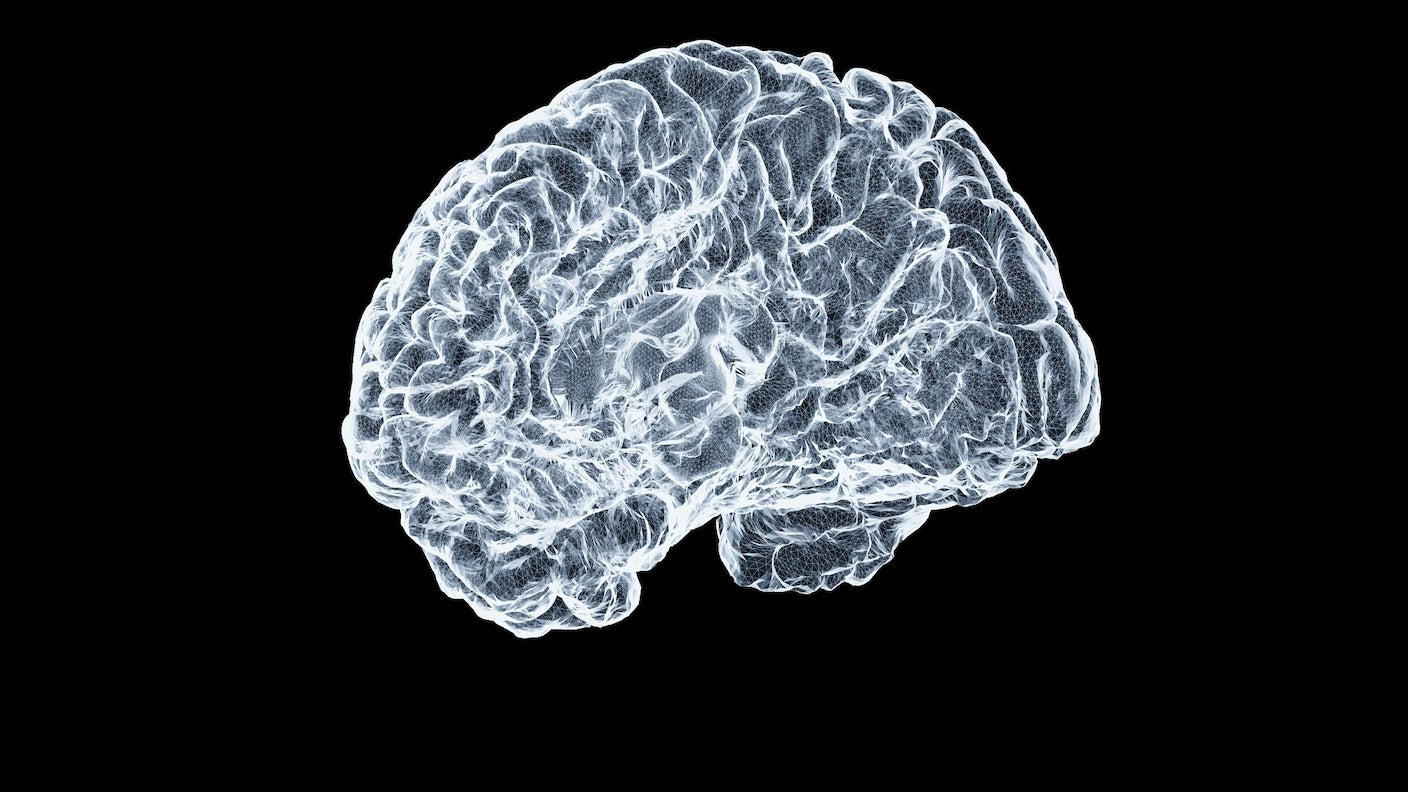

Floating in a warm, nutritious bath, the slices of mouse brain buzzed with electrical activity. Researchers gave them a few zaps, and parts of the hippocampus strengthened their wiring.
This type of experiment is an extremely common way to decipher how the brain works. The slices, not so much. Preserved in a deep freeze for roughly a week, they restarted some basic processes after being thawed. Neurons lit up, boosted their metabolism, and adjusted connections in the same way our brains do when forming new memories and recalling old ones.
“While the brain is considered exceptionally sensitive, we show that the hippocampus can resume electrophysiological activity after being rendered completely immobile in a cryogenic glass,” wrote University of Erlangen‐Nuremberg scientists in a paper describing the work.
In traditional freezing techniques, ice crystals shred delicate neurons and the connections between them. There would be no chance of recovering memories stored within. The new study used a method called vitrification, which rapidly cools tissue before crystals can form. An improved thawing process protected cells from toxic chemicals in their cryogenic bath.
Both pre-sliced and whole mouse brains recovered after warming, although some neural activity was slightly off-kilter. To be clear, brains can’t be completely revived like in the movies. But the approach pushes the known frontier of what brain tissue can tolerate, wrote the team.
Ice, Ice Baby
Suspended animation is one of science fiction’s oldest tropes. Whether characters are traveling between the stars or awaiting future cures for untreatable diseases, cryogenics is the ultimate pause button they can use to speedrun decades, if not centuries and beyond.
The idea was popularized in the 1960s, when Robert Ettinger “the father of cryonics” argued that people could be frozen and revived in the future, with their memories, cognition, and physical capabilities intact. He took the fringe idea and turned it into a mainstream dream.
But cryosleep has earlier roots. In the late 1800s, scientists realized that certain cells and simple living creatures could survive freezing, suggesting it’s possible to temporarily suspend life.
Liquid nitrogen and other chemical preservatives are now used daily in labs to freeze individual cells—including brain cells—at extremely low temperatures. Many don’t survive, but those that do regain normal function upon thawing. Scientists use the technology to preserve different types of neurons to test theories and share with other labs.
Cryopreserving brain slices or whole brains is far more difficult. These contain the delicate neural branches brain cells use to communicate, which are easily destroyed during the freeze-thaw cycle. Ice is the main culprit. Even with protective chemicals, liquids in cells rapidly solidify into sharp crystals that jab cells inside and out like a thousand knives.
Still, scientists have kept frozen human fetal tissue intact, and cryopreserved rat cells have developed functional networks once thawed. Another effort kept a rodent’s heart structurally intact with a magnetic method that gradually brings the organ back to biological temperature. Techniques to preserve livers and kidneys can keep them in stasis for up to 100 days, and the organs are still healthy enough for transplantation after warming up.
“Progress in cryopreservation of rodent organs has moved the theme of suspending technologies closer to plausibility,” wrote the team.
Structure determines function for each organ. But the brain presents unique challenges. Hundreds of molecules zoom around neurons to build up or whittle down synapses. Others that dot the surfaces of these cells tweak electrical charges to strengthen or weaken activity. Even without tearing up the cell itself, damage to these processes renders neurons incapable of forming or retrieving memories.
Ice is only part of the revival equation. As liquids freeze, they change the pressure of the surrounding environment, causing cells to lose water and shrink. This can collapse internal structures and wreck synaptic connections. Cryoprotectants, such as a sugary liquid called glycerol, limit the damage but are toxic at high doses.
Looking Glass
The authors of the new study turned to vitrification. Here, rapid cooling with cryoprotectants limits damage by freezing cells in a disorganized, glass-like state without forming ice crystals.
They first tested cryoprotectant recipes on brain slices that included the hippocampus, a brain region associated with the formation of memories. After soaking the slices in the chemical cocktails, the team bathed them in liquid nitrogen at a bone-chilling -196 degrees Celsius (−320.8 degrees Fahrenheit), which instantly froze the tissues. They then moved the slices to a −150 degrees Celsius (−238 degrees Fahrenheit) freezer and kept them there for up to a week.
The team could visually see whether each cocktail worked, they wrote. Vitrified slices had a glossy, transparent look; those that failed were dull and opaque.
After slow thawing, the slices sprang back to life.
The cells’ mitochondria ramped up energy production. Neuron membranes and synapses remained intact. And though there were some differences compared to fresh brain slices, the reawakened hippocampal cells mostly retained their usual patterns. Given a few electrical zaps, they strengthened their connections, a mechanism underlying learning and memory.
The team also tried the method on whole mouse brains. They had to repeatedly tweak the recipe to minimize toxicity from the cryoprotectants and ward off severe brain dehydration. But once thawed, slices from the whole preserved brains had intact neural wiring, including complex circuits in the hippocampus. Some brain cells languished and were harder to activate, whereas others perked right up.
It seems some types of neurons are more tolerant to vitrification than others, wrote the team.
Because they recorded activity in brain slices, it’s impossible to say whether the process would restore memory and learning. And the slices naturally deteriorated after 10 to 15 hours, making it hard to say much about longer timescales. To get around this, they could test the method on mini brains, or brain organoids, which better mimic whole brains and can be kept alive for years in culture.
The team is now expanding their work to include human brain slices and preservation of other organs, such as the heart. It’ll take plenty of trial and error. Human organs are far larger and could easily crack from mechanical stress during the cryopreservation process.
But the study shows “the brain is remarkably robust…to near-complete shutdown” into a glass-like state. “This reinforces the tenet of brain function being an emergent property of brain structure, and hints at the potential of life-suspending technologies,” wrote the team.
