

Close Menu

    Subscribe to Updates

    Get the latest Tech news from SynapseFlow

    What's Hot

    Anthropic CEO Dario Amodei Says AI Industry Needs to Give Safety Measures Time to Catch Up

    September 13, 2026

    NASA Super Light Solar Sail Project Will Be 12-40 Times Lighter and Faster – NextBigFuture.com

    September 13, 2026

    5 horror movies to scratch the Resident Evil itch while you wait

    September 13, 2026
    Facebook X (Twitter) Instagram
    • Homepage
    • About Us
    • Contact Us
    • Privacy Policy
    Facebook X (Twitter) Instagram YouTube
    synapseflow.co.uksynapseflow.co.uk
    • AI News & Updates
    • Cybersecurity
    • Future Tech
    • Reviews
    • Software & Apps
    • Tech Gadgets
    synapseflow.co.uksynapseflow.co.uk
    Home»Future Tech»What’s Up: April 2026 Skywatching Tips from NASA
    What’s Up: April 2026 Skywatching Tips from NASA
    Future Tech

    What’s Up: April 2026 Skywatching Tips from NASA

    The Tech GuyBy The Tech GuyMarch 27, 2026No Comments3 Mins Read0 Views
    Share
    Facebook Twitter LinkedIn Pinterest Email
    Advertisement


    Advertisement

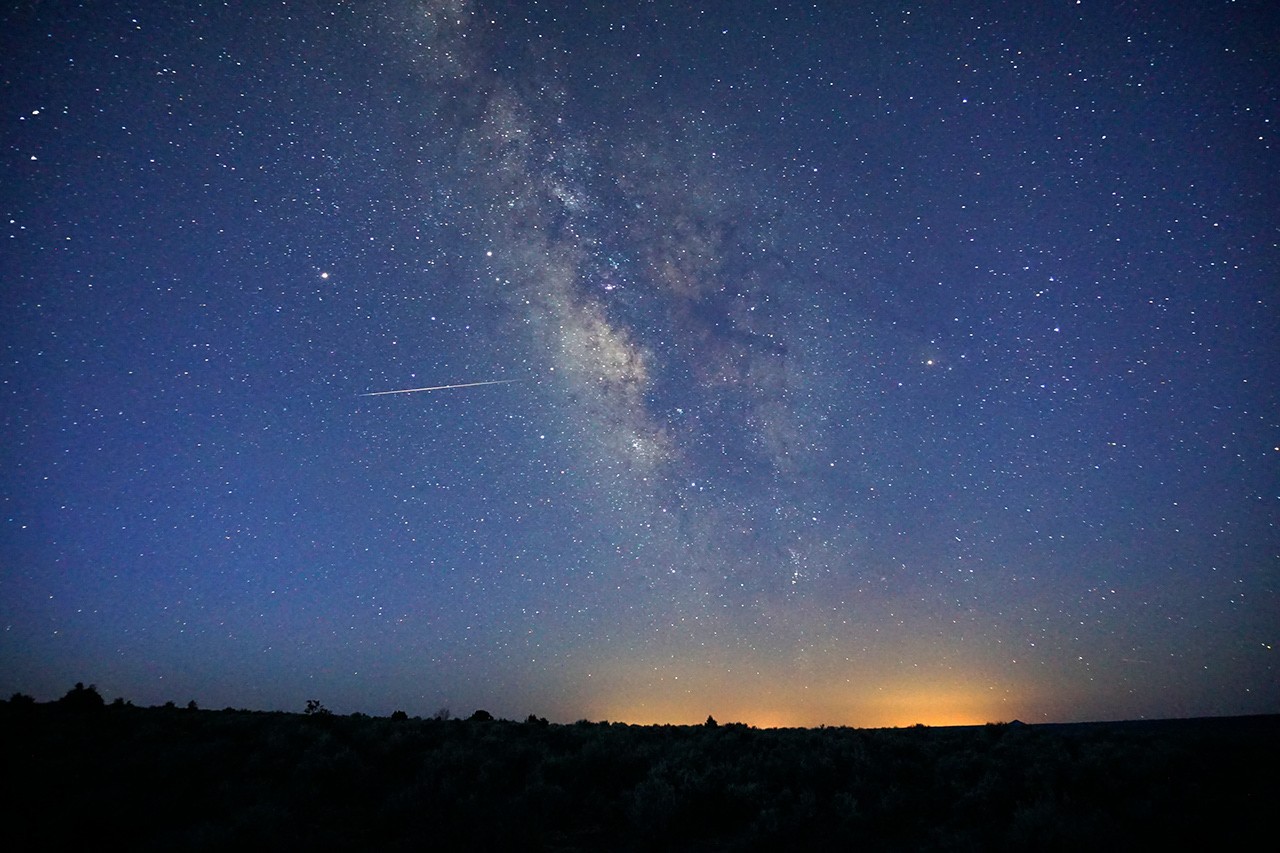
    Mercury shines at its brightest for the year, the Lyrid meteor shower peaks, and a bright new comet makes an appearance in April’s night sky.

    • April 3: Mercury at greatest elongation
    • April 17: Best chance to see Comet C/2025 R3
    • April 21 to 22: Lyrid meteor shower peak
    • April 27: Comet C/2025 R3 makes closest approach to Earth

    Mercury shines extra bright, the Lyrid meteor shower peaks, and a comet soars into view. That’s What’s Up this April. 

    On April 3rd, Mercury will be at its most visible all year. On this date, the planet will be at its greatest elongation, or its furthest distance from the Sun, as we see it from Earth, making it easier to see the often hard-to spot-planet. 

    To find Mercury, look east before the Sun begins to rise. The planet will be very low on the horizon, just above Mars. 

    The Lyrid meteor shower peaks April 21st to 22nd. This meteor shower comes from debris left behind by Comet Thatcher. 

    When this debris hits and then burns up in our atmosphere, we see the “shooting stars” of a meteor shower. 

    To experience the peak of the April Lyrids, look to the east starting at around 10 p.m. on April 21st and through the night into April 22nd. The meteor shower takes place nearby the star Vega, the fifth brightest star in the night sky, which can be found in the constellation Lyra, the Harp. 

    April 17th might be your best chance to see the Comet C/2025 R3, which some think could be the brightest comet of the year. This comet will make its closest approach to Earth on April 27th, coming within 44 million miles of our planet. 

    Experts estimate that the comet will likely reach magnitude eight, which means you would need access to a telescope or binoculars to see it. The comet will be visible in the eastern sky in the constellations Pegasus and above Pisces. You’ll be able to spot the comet in the predawn hours from mid-April through the end of April in the Northern Hemisphere, and in the evenings in early May for viewers in the Southern Hemisphere. 

    Here are the phases of the Moon for April. You can stay up to date on all of NASA’s missions exploring the solar system and beyond, at science.nasa.gov. I’m Chelsea Gohd from NASA’s Jet Propulsion Laboratory and that’s What’s Up for this month.

    Advertisement
    Share. Facebook Twitter Pinterest LinkedIn Tumblr Email
    The Tech Guy
    • Website

    Related Posts

    NASA Super Light Solar Sail Project Will Be 12-40 Times Lighter and Faster – NextBigFuture.com

    September 13, 2026

    APOD: 2026 September 13 – Comet NEOWISE Rising over the Adriatic Sea

    September 13, 2026

    This Week’s Awesome Tech Stories From Around the Web (Through September 12)

    September 13, 2026

    Aging Congress Is Completely Ill-Equipped to Regulate AI, or Seemingly Even Understand It

    September 12, 2026

    Space Telescope Interferometer to Image Exoplanet Continents – NextBigFuture.com

    September 12, 2026

    Help Refine Data from Space Telescopes with Artifact InSPECtor

    September 12, 2026
    Leave A Reply Cancel Reply

    Advertisement
    Top Posts

    You don’t need a NAS to self-host — I proved it with hardware from my closet

    June 7, 2026391 Views

    Spotify is giving one of its best playlists a big visual upgrade to give subscribers ‘a closer connection’ to its New Music Friday curators — and I think it could be the update it’s always needed

    June 12, 2026210 Views

    The iPad Air brand makes no sense – it needs a rethink

    October 12, 202517 Views
    Stay In Touch
    • Facebook
    • YouTube
    • TikTok
    • WhatsApp
    • Twitter
    • Instagram
    Advertisement
    About Us
    About Us

    SynapseFlow brings you the latest updates in Technology, AI, and Gadgets from innovations and reviews to future trends. Stay smart, stay updated with the tech world every day!

    Our Picks

    Anthropic CEO Dario Amodei Says AI Industry Needs to Give Safety Measures Time to Catch Up

    September 13, 2026

    NASA Super Light Solar Sail Project Will Be 12-40 Times Lighter and Faster – NextBigFuture.com

    September 13, 2026

    5 horror movies to scratch the Resident Evil itch while you wait

    September 13, 2026
    categories
    • AI News & Updates
    • Cybersecurity
    • Future Tech
    • Reviews
    • Software & Apps
    • Tech Gadgets
    Facebook X (Twitter) Instagram Pinterest YouTube Dribbble
    • Homepage
    • About Us
    • Contact Us
    • Privacy Policy
    © 2026 SynapseFlow All Rights Reserved.

    Type above and press Enter to search. Press Esc to cancel.

    Ad Blocker Enabled!
    Ad Blocker Enabled!
    Our website is made possible by displaying online advertisements to our visitors. Please support us by disabling your Ad Blocker.