


Think about your dream smartphone. Consider the top features you’d cram into the device of your choice, and the price you want to pay for it. If you try to build that dream device and sell it, you’ll find that at least a few of your wishes are contradictory. For example, I’d love a thin and light phone with a gigantic battery, but something has to give. That premise of compromise helps us understand how we lost a smartphone feature almost universally loved by fans: removable batteries.
Between basic convenience and right-to-repair considerations, it’s easy to see why buyers crave removable batteries — at least on paper. They’re making a comeback, but not in the way you think. We’ll never see the era of plastic, screw-free smartphone backs return. However, we might see phones with batteries that are easy to replace become mainstream once again.
This modular Android phone changed how I think about upgrading my devices
The Fairphone 6 might be overpriced today, but it’ll outlast almost every other phone on the market.
Thinness and waterproofing doomed removable batteries
Other smartphone features are in direct conflict with removable batteries
Removable batteries didn’t align with what smartphone buyers wanted in the mid-to-late 2010s — and they didn’t align with what smartphone manufacturers wanted to sell them. The industry trended toward premium materials, bigger screens, and fancy designs. All of these changes pushed the sticker prices of leading flagships higher, so smartphone brands were happy. They were also at odds with removable batteries.
A plastic back that popped off when you accidentally dropped your phone isn’t exactly premium. Eventually, it gave way to unibody designs made out of classier materials, like aluminum or glass. Smartphones were trending thinner, too. To add a premium feel and cut down on thickness, smartphones lost removable batteries.
Another key consideration is waterproofing. The quest for dust- and water-resistant smartphones led manufacturers to take drastic measures. Not all of them were absolutely necessary to achieve IP68 certification, but brands took them nonetheless. It’s easier to waterproof a phone with fewer points of entry, and the removable backs and batteries of legacy smartphones make the task more difficult.
With smartphone brands and buyers each seeking premium builds, thin designs, and water-resistant chassis, among other things, removable batteries were cut.
Some phones are bringing removable batteries back
They aren’t popular, suggesting buyers don’t want them as much as they think
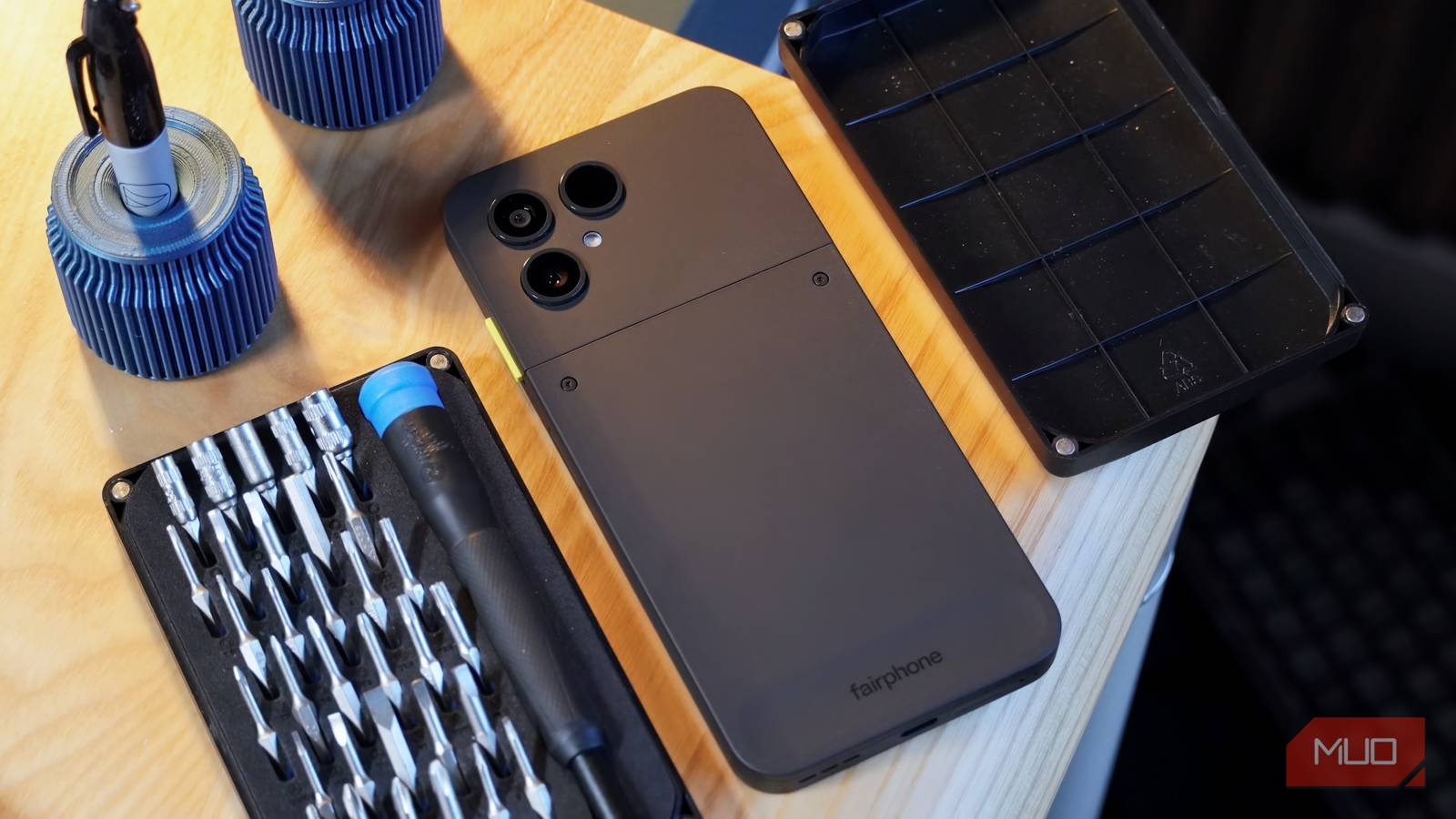
A renewed interest in the right-to-repair movement combined with impending European Union rules mean smartphones with removable batteries are amidst a revival. The Fairphone 6 is a great example of a phone you can go out today and buy with a removable battery. In fact, there are 12 components inside the Fairphone 6 that anyone can swap with a Torx T5 screwdriver. The battery is one of them, and a replacement costs roughly $40 on the Fairphone website.
The Fairphone 6 is also evidence of why we lost removable batteries in the first place. It’s thicker than most flagships, with a plastic build that looks somewhat cheap and dated in 2026. Moreover, it has an IP55 durability rating. Many phones today have an IP68 or IP69 certification, and it’s fair to say the Fairphone 6 lags behind in this regard because repairability is at odds with waterproofing. You can get a phone with a removable battery — you just might not want one.
There’s hope among removable battery fans that an EU requirement set to take effect in early 2027 will spur a new wave of phones with this characteristic. However, there are a few catches. The requirement requires batteries to be replaceable with standard tools and strong adhesives, and there’s a big loophole. If a device can retain 80% of its battery capacity after 1,000 charge cycles, it can avoid this EU requirement.
In other words, the EU’s requirement won’t suddenly bring back hot-swappable batteries or removable smartphone backs. It could make your smartphone easier to repair — though this is not guaranteed — bit the spirit of removable batteries, as we knew them, will stay a relic of the past.
Removable batteries probably won’t ever go mainstream again
There’s a push for better battery repairability, but it won’t be how you remember it

We remember the convenience of swapping removable smartphone batteries in and out, but that convenience is long gone. If you need proof, let’s go back to the Fairphone 6. It’s our best example of a repairable smartphone with a removable battery and modern specs, and yet, it’s nothing like the experience we used to have. The Fairphone 6’s battery requires a Torx T5 screwdriver to access, and you have to remove seven screws to get to it.
Even if the modern push towards smartphone repairability improves the situation, we’ll end up with devices more like the Fairphone 6 than the Samsung Galaxy S5.

- SoC
-
Qualcomm Snapdragon 7s Gen 3
- Operating System
-
/e/OS
- Rear camera
-
50MP Sony Lytia 700C
- Others
-
Repairable with a single T5 screwdriver
The Murena Fairphone 6 is a repairable, sustainable, and ethical Android phone powered by the Qualcomm Snapdragon 7s Gen 3 processor. The Murena model available in the U.S. runs the company’s privacy-focused /e/OS, which removes Google’s Android bloat while maintaining AOSP as a base.
