

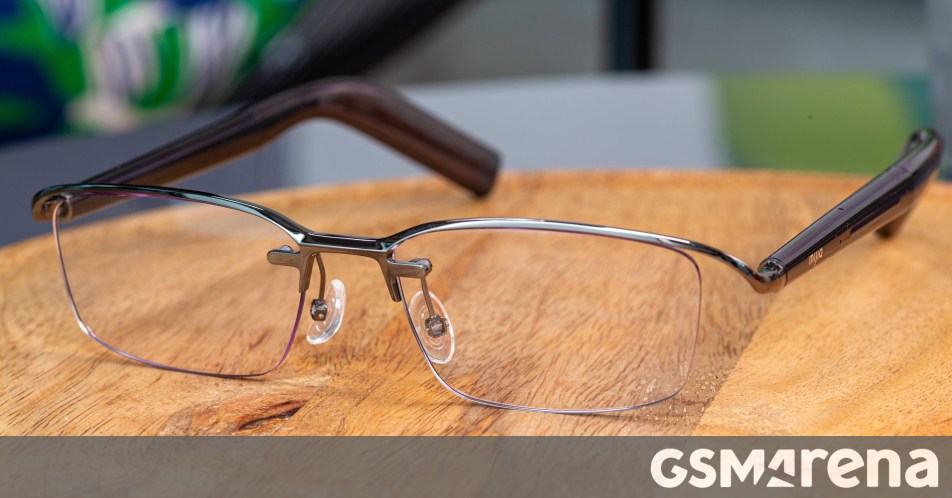

Smartphones have been mainstream for so long that it’s hard to imagine them going away any time soon. But the tech world does not stand still, and smart glasses have been labeled as the “next frontier” for some time now.
All of the big tech players are trying to carve their own space with different approaches and varying success. So we’re asking you: are you using smart glasses in your day-to-day?
The least obtrusive and most popular ones are AI glasses. The Ray-Ban Meta lineup is the best example. These are smart glasses that rely exclusively on ambient computing and don’t have built-in screens.
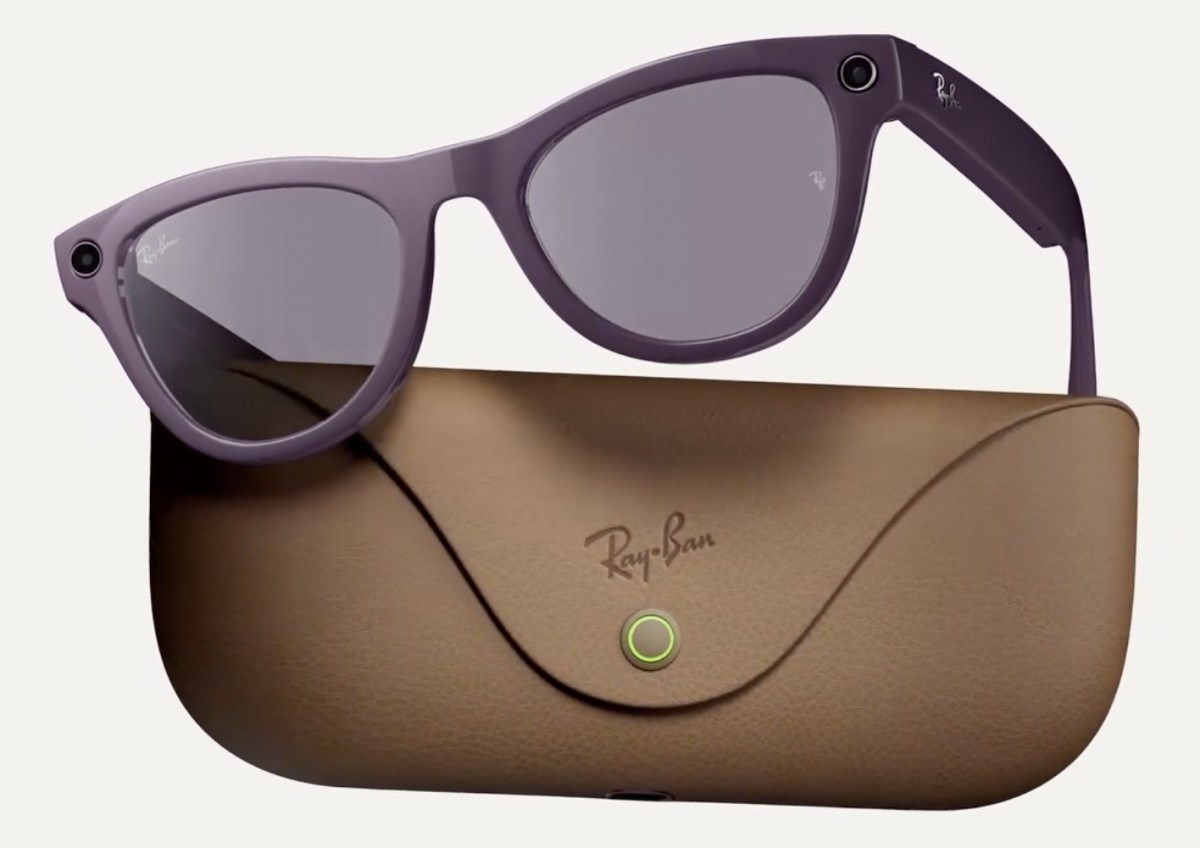
They look (mostly) like a regular pair of glasses and feature hands-free AI, speakers and cameras, allowing users to record videos while also outsourcing some of their daily smartphone tasks like taking calls, giving out navigation directions and chatting with their AI assistant of choice.
Samsung recently announced its take on the AI glasses, which we also got to see in person after the Galaxy Unpacked event.
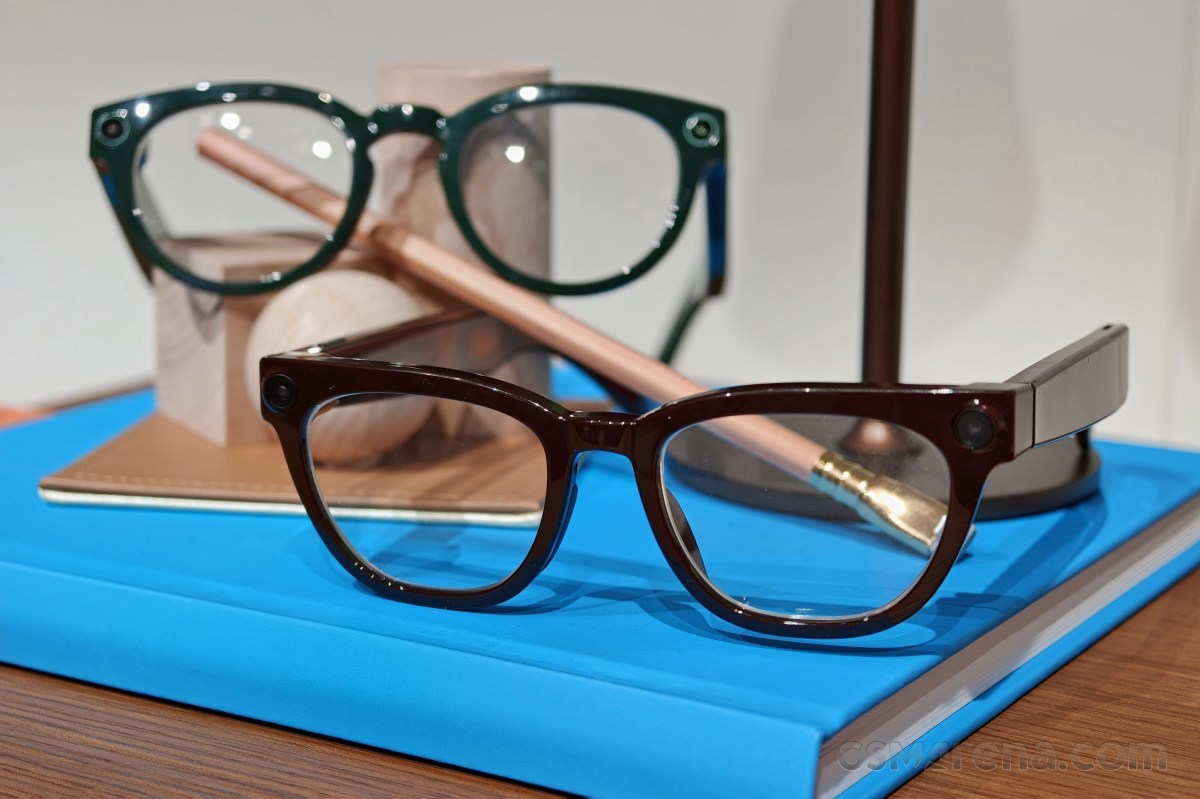
Apple is also expected to launch its own AI glasses by next year’s WWDC. And when Apple launches a new device type, this instantly attracts flocks of new users.
But there are more advanced options out there. Meta’s own Ray-Ban Display does everything the regular version can but also brings a color heads-up display embedded in the right lens. This opens up a whole world of possibilities, from following navigation instructions to jumping on video calls and getting real-time translation without ever touching a screen.
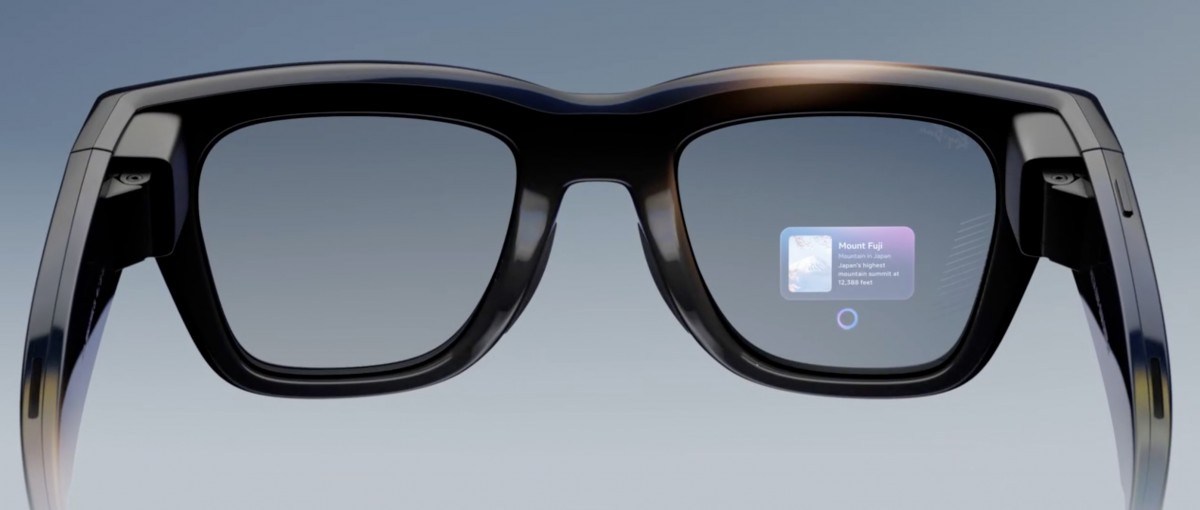
Meta Ray-Ban Display
And there are even more capable AR smart glasses like the Xreal Aura that can project an Optical See-Through (OST) display, allowing you to run apps or just kick back and enjoy a movie.
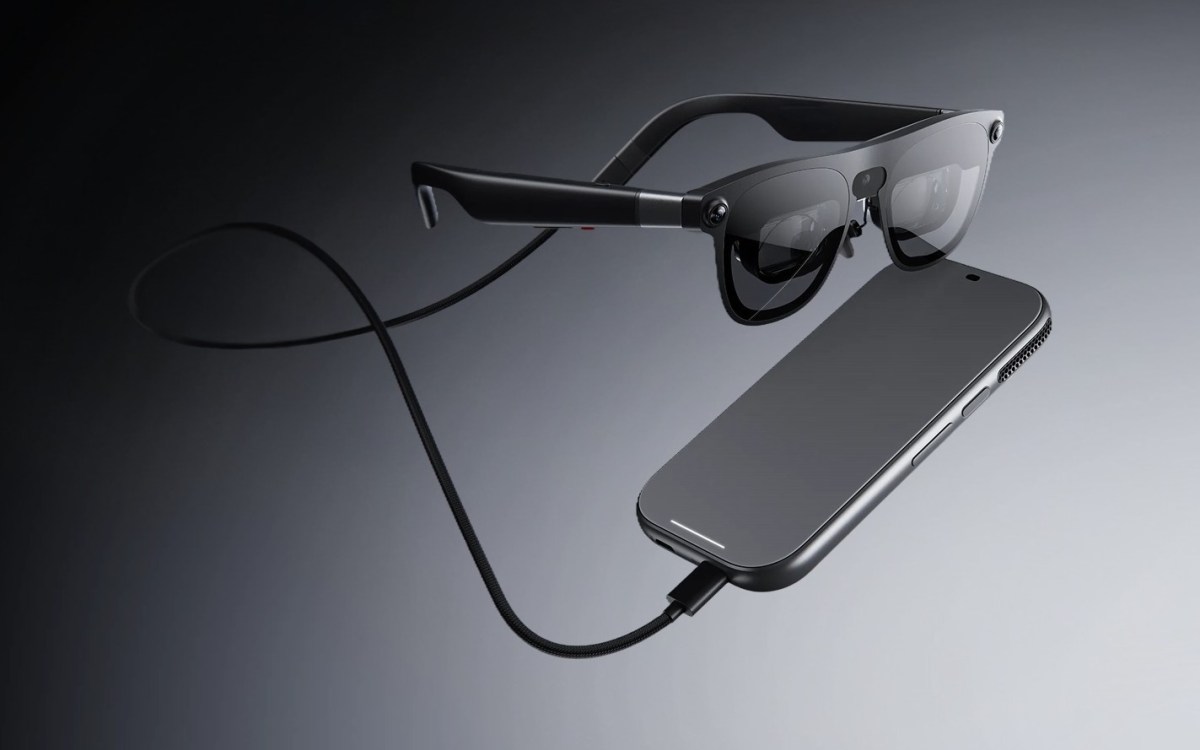
Xreal Aura
These also run Android XR so all your favorite apps will be available but they do require a tethered connection to a compute puck. The puck also houses a battery, making them a lot more cumbersome than the display-less AI glasses.
