

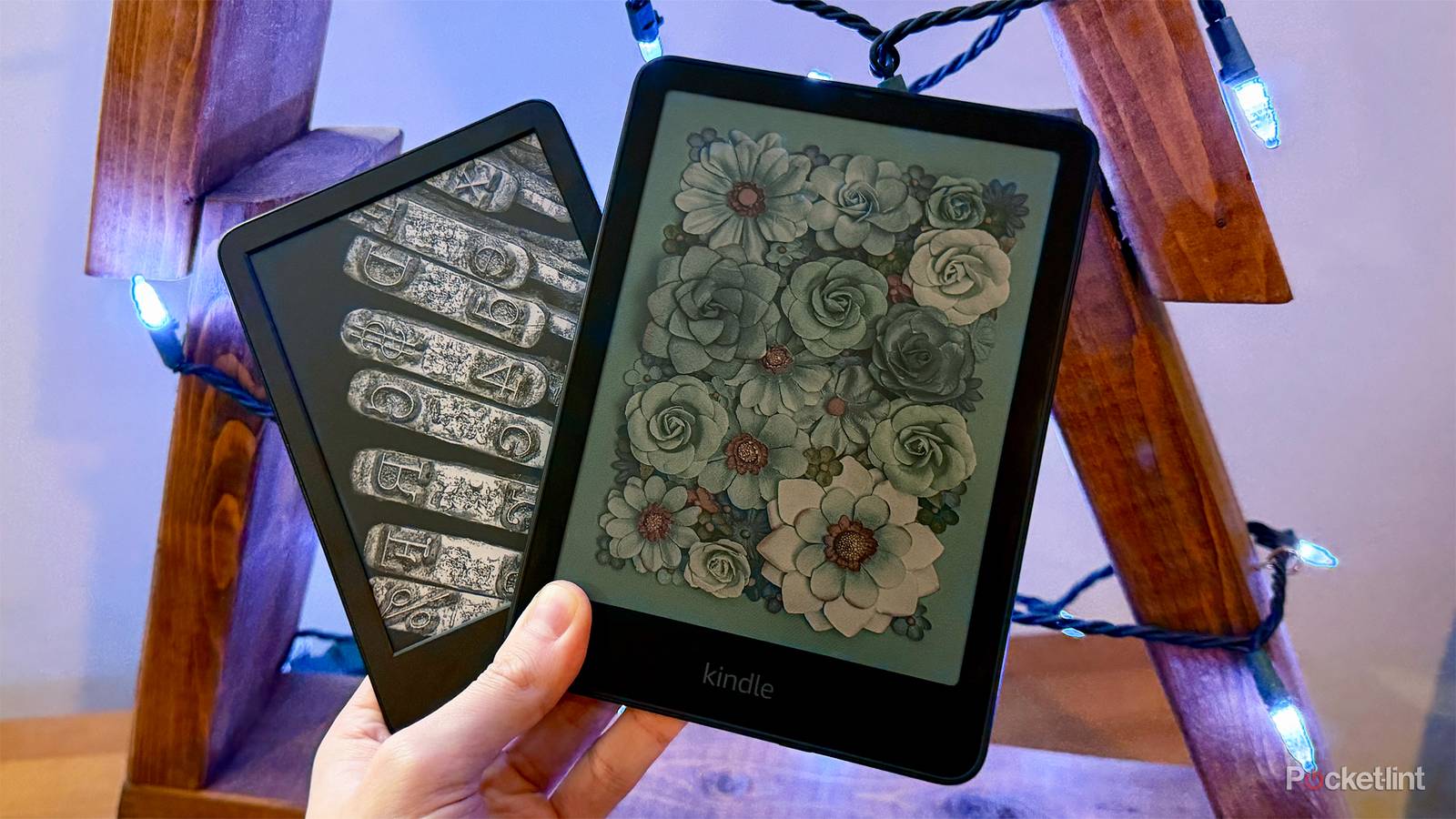

The convenient and versatile e-reader can be a terrific means to encourage and maintain your reading journey. It allows you to compile a vast catalog of stories, letting you jump around between titles on a whim while tracking your progress, saving notes, and reading just about anywhere you are. For those who like to read multiple titles at once, and always have a story with them on the go, an e-reader is a boon.
However, the popularity of e-readers, especially the Kindle from Amazon, is also a threat to physical media, which continues to be under fire. Movies, TV shows, video games, and books are more easily found as digital versions; manufacturers would far prefer you to use digital media rather than physical media (because of money). However, the Kindle can make reading more accessible for many users. That compromise can be difficult, but there are ways to support physical books while still enjoying your Kindle.
Continue supporting your local library
Borrow physical books or digital copies for free

One of the biggest ways you can still support physical media is by borrowing titles from your local public library, even digital copies. Just because your Kindle makes it incredibly easy to buy and borrow books directly from Amazon doesn’t mean you need to take them up on that offer.
Supporting your local library in any way demonstrates interest and demand, and that isn’t nothing. Every transaction with a library will help maintain its existence, even if you’re not one to take out physical books. Borrowing digital copies, placing holds, and creating notifications on your Libby app all help show the public library system that you and others want to keep reading.
Amazon, meanwhile, is less interested in how much you are reading and more bent on getting you into its ecosystem. That’s why it is so easy to integrate Amazon services and products into your Kindle. It wants you to be able to rent or buy ebooks or audiobooks as conveniently and mindlessly as possible. A cheap subscription to an Amazon service gets you into the ecosystem, and it can be hard to escape from.
Resist the urge to populate your e-reader with titles sourced from Amazon. Find them for free at your local library instead. In most cases, you can directly send the library ebook directly to your Kindle, and after the borrowing period, it will be automatically returned. If you’re going to buy a digital copy, consider avoiding Amazon and looking for better options that give more money to authors.
Avoid Amazon services and apps
Subscriptions and extras aren’t necessary

The Kindle will be filled with Amazon temptation, especially if you’ve opted for a cheaper, ad-supported model (that could actually cost you more in the long run if you give into temptation). Kindle Unlimited, Amazon’s ebook service, and Audible, the company’s audiobook subscription offering, are the two big ways the behemoth will ensnare you into its ecosystem. Once it gets you on a free or cheap trial, you may end up stuck with something that isn’t as good as you think.
This is mainly because Amazon has a poor track record of actually supporting authors and the reading community. The company isn’t in the habit of directly supporting authors or the reading community or bookstores; it’s in the business of maintaining subscriptions and interactivity within its vast marketplace. Goodreads, the company’s reading tracking and social app, is a great example of this. Goodreads is a dated app meant to support readers by keeping tabs on what they’ve read, what they want to read, and what their thoughts are on any given book.
Keep your Kindle in Airplane Mode as often as possible. Turning off the Wi-Fi keeps you from connecting to Amazon services and prevents the company from tracking your reading.
It sounds good, but Amazon is more interested in engagement than integrity or honesty. Books can be reviewed before they’ve even been given to critics, and some authors have even been extorted for positive reviews. That’s because Amazon’s review system holds a lot of power. This flawed system is influential, so everyone is trying to make money off of it, even though it’s hurting both genuine readers and writers. There are other tracking apps that are better supportive of both readers and writers, such as Storygraph.
The Kindle is a one-time purchase and your gateway to reading. You don’t need any extras, services, or subscriptions when it comes to reading.
Buy physical books of stories you like
Preserve beloved stories after reading a digital version

If you read something you really like on your Kindle, then consider investing in a physical copy. You’re financially supporting an author, a publisher, and a local book store (make sure you’re buying it from a local book store). You don’t need to read that book right away, but it’s worth keeping in your budding physical book collection.
One of the reasons why you want to hold on to physical books, especially important ones you love, is that digital copies may not always stay the same. Indeed, the fact that a book has a digital version means any part of that book may be altered in the future. The book you’re reading now may not stay the same. Pretty Little Liars is the most glaring example, as a recent release of the story features small updates to some dated pop culture references; none of the changes went over well.
The fact that stories can be altered is troubling. This is the same for TV shows and movies that you stream. You may not be getting the original version. Titles may be altered for length, sensibility, or any reason the owner wants. To ensure you’re reading the original copy, in all its raw glory, buy a physical copy. Which you are then free to markup and annotate as you wish.
Maintain your home library of books
Buy, trade, and gift physical stories

You don’t need to read them all right away, or even read them at all, but it’s still worth building up your home book collection. As digital media continue to encroach on your time and space, buying physical media, including books, is an act of rebellion. A physical book is a story that you own that cannot be altered by anyone. The content can’t be changed by anyone who wants to censor it, and no one can automatically take it away from you the way they can digitally-bought stories. Buying a digital copy doesn’t guarantee you get to keep it forever, and you certainly can let someone borrow it with any kind of ease.
So keep buying books, preferably from a local or used bookstore. Buying books for your home also keeps them out of the hands of tech companies that have been destroying books to train their LLMs.
Come up with a plan for how you want to curate, grow, and display your book collection. Books are art and decor, and they can soften and elevate your home entertainment setup that may be dominated by cold-looking technology. As far as investment goes, opting out of subscription services for digital media can offset the costs associated with buying books. Take money that would have gone directly to Amazon or even Netflix and put it towards a bookstore and author.
There is no denying the Kindle is accessible and convenient, and surely a contributing factor to an increase in reading. However, its usefulness and success doesn’t need to come at the expense of physical media.
