

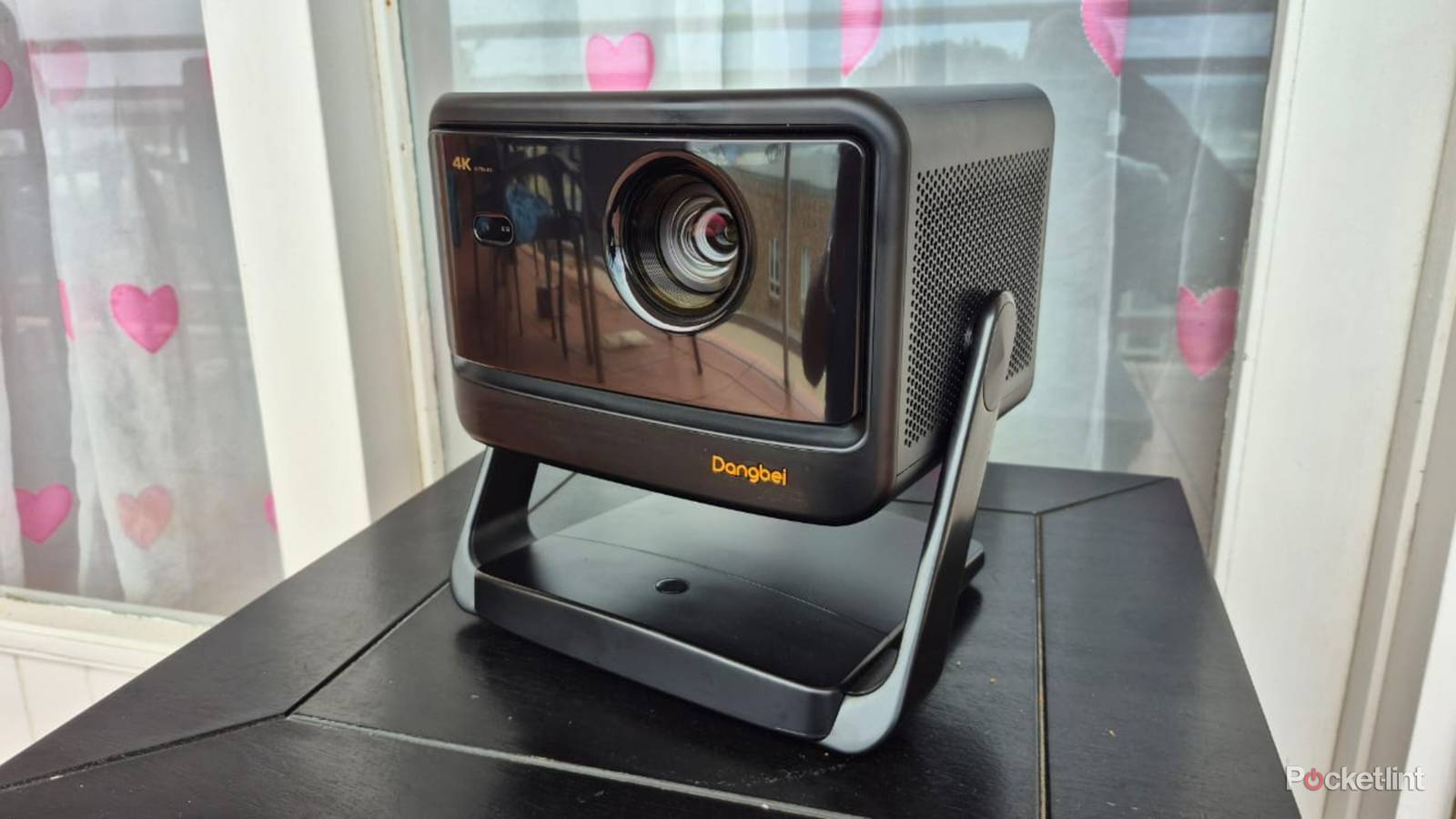

No tech product lasts forever and just like smart TVs and Blu-Ray players, projectors also have an expiration date. The difference is that it isn’t based on software support or formats but the hardware itself. In fact, projector brands are pretty open about the expected life expectancy of their products and don’t try to hide it.
So the big question is how long will your projector last? The answer isn’t simple and depends on many variables, like the projector model, display technology and how much you use them. Today I’ll separate the facts from projector myths so give you an idea of what to expect.
How long do projectors last?
It depends on many factors

Generally, each type of projector technology has a different expected lifespan. This is mainly due to the light sources degrading over time. It’s a slow process for many projectors, and you’ll notice them getting dimmer as they get toward the end of their lifespan.
Lamp Projectors
Lamp-based projectors are the oldest type and use a bulb similar to an incandescent light as their source. The filament eventually wears down and the picture quality and brightness go with it. These projectors are still available, although they are being slowly phased out and replaced by newer technology. You can expect a lamp-based projector to last between 2,000 to 5,000 hours with standard use. Replacement bulbs are often available, but they can be pricey and aren’t always a viable solution.
LED projectors
LEDs are the light source, and they often use LCD or DLP technology to work. LCD projectors usually have an LED source that sends light through mirrors which separate it into red, green, and blue colors. The colors then pass through an LCD panel and are then merged into an image via a prism.
These types of projectors are amongst the most common these days and are available at many price points.
LCD projectors offer better picture quality than lamp-based models and also have a longer expected lifespan of around 20,000 to 30,000 hours. They don’t have a lamp that burns out and the degradation is caused by the photo luminescent phosphor layer breaking down. This layer absorbs blue light from the LED and converts it to white light. These types of projectors are amongst the most common these days and are available at many price points.
Laser Projectors
Laser projectors are the most advanced with the best picture quality and are also the most expensive. They come in two types. Single-laser projectors have a single blue laser that hits a spinning yellow phosphor-covered wheel. The wheel then retains part of the blue laser and splits part of it into red and green. Single-laser projectors are cheaper than the triple-laser type, but are more prone to the rainbow effect and often have and have lower lumen output and color accuracy.
Triple-laser projectors have individual laser diodes for the red, green, and blue primary colors. The beams are sent through an imaging chip to create the image. Triple laser projectors are the most expensive because they offer the best color accuracy and brightness.
Laser projectors in general are the most reliable and are maintenance-free. They have a long estimated lifespan, ranging between 20,000 and 30,000 hours.
It will take around 27 years to hit 20,000 hours if you’re watching for two hours a day.
Now that we know the expected life-span of each type of projector, we can delve into what they mean. The estimated viewing hours make more of a difference to older lamp-based projectors and aren’t as relevant to LED and Laser models with longer expected lifespans. It will take around 27 years to hit 20,000 hours if you’re watching for two hours a day. Even if you watch for eight hours a day, it will still take over six years before you hit the 20,000 mark.
The reality is that most projectors should last around five to ten years, depending on many factors, and you shouldn’t worry too much about the expected lifespan. The projector is more likely to have issues with other components, like the fans or motherboards before the light source.
What factors affect a projector’s lifespan?
Environment and build-quality

Your projector’s lifespan can be affected by several factors. Each model has different components and overall build-quality and this is one reason why some last longer than others. Environmental factors, like dust and heat, can also damage your projector and reduce its lifespan. Dust restricts the airflow and can clog and damage components.
Excessive heat also wears out components faster. The brightness settings can also play a part on some projectors. Users are often discouraged from continuously using the projector on the maximum setting and rather use lower-power modes, depending on the ambient lighting.
How do you extend a projector’s lifespan?
Easy best practices

There are several ways to keep your projector working for longer and most of them involve simple best practices. Always keep your projector in an open, well-ventilated area and away dust, moisture and high temperatures. Also, don’t leave it on unnecessarily and let it run its cooling cycle without interruption. Keep the lens covered if you can and clean the dust filters when necessary.
