


SpaceX / SpaceXAI is in a strong position on demand for the capacity it is offering, even though it sits in the Unavailable” bucket on Semianalysis ClusterMAX 3.0.
ClusterMAX is a buyer’s guide for managed GPU clusters (Slurm/Kubernetes + monitoring, health checks, reliability testing, etc.). SpaceXAI was unavailable for that kind of hands-on testing at the time of the September 2026 report, which is why it appears in the Not Recommended / Unavailable section. SemiAnalysis has publicly said they like Colossus and want to test the offering once it is available in a form they can evaluate. That is a methodology limitation, not a judgment that demand is weak.
On the demand side, the picture is the opposite. From the SemiAnalysis commentary in the podcast transcript you shared:
SpaceX is monetizing its compute at roughly 3–4× what the market is clearing for short-term contracts.
They are building at scale: SemiAnalysis has them tracking toward 10+ GW and up to ~14 GW by the end of next year, based on the sites they are following (Colossus and related campuses).
That combination — premium pricing on offtake plus rapid capacity expansion — is a clear signal of strong demand from the large labs and hyperscalers that are taking the capacity (Anthropic, Google, and others). It is closer to a selective / large-block capacity landlord model than a general public managed neocloud, which is exactly why it doesn’t map cleanly onto the ClusterMAX managed-cluster ranking.
Context with the rest of the market
The same discussion notes the financing environment is tighter (higher cost of capital, debt markets more selective). Pure-play neoclouds like CoreWeave have to get creative. Ccustomer prepayments on renewals functioning like customer-provided capital. Hyperscalers can lean on free cash flow from their core businesses. SpaceX benefits from both its investment-grade status + non-AI revenue and the fact that its compute is clearing at a meaningful premium right now.
ClusterMAX “Unavailable” = “we couldn’t run our standard managed-cluster tests on it yet.”
Demand reality = they are able to charge a significant premium and are expanding capacity aggressively because the offtake is there. Those are two different questions, and on the second one SpaceX is currently in a good position.
Bare Metal versus Managed Service
Jordan (SemiAnalysis) was criticizing AWS and Azure specifically on the managed GPU cluster experience that ClusterMAX measures — not on bare-metal scale or overall data-center quality.
What he said about AWS
Amazon is prioritizing bare metal and large-scale data-center buildout (high-quality construction and operations).
For managed clusters (the 512–20k GPU scale that labs and startups actually buy), the product is weak.
EFA networking is “a huge headache.”
The product portfolio is “a total mess.”
Support “sucks.”
Jordan questioned the decision to replace standard NVIDIA networking (which works well with NVIDIA GPUs) with a custom network that is hard to get working for most workloads.
AWS ranks lower (Bronze in the ClusterMAX 3.0 snapshot) versus CoreWeave and Nebius (Platinum). Labs that need a reliable managed experience prefer the pure-play neoclouds.
What he said about Azure / Microsoft
Microsoft is also focused on bare metal and large offtake. This almost exclusively OpenAI.
They largely do not compete in the managed-cluster market that ClusterMAX rates.
Limited offerings for that use case.
Support is “really bad.”
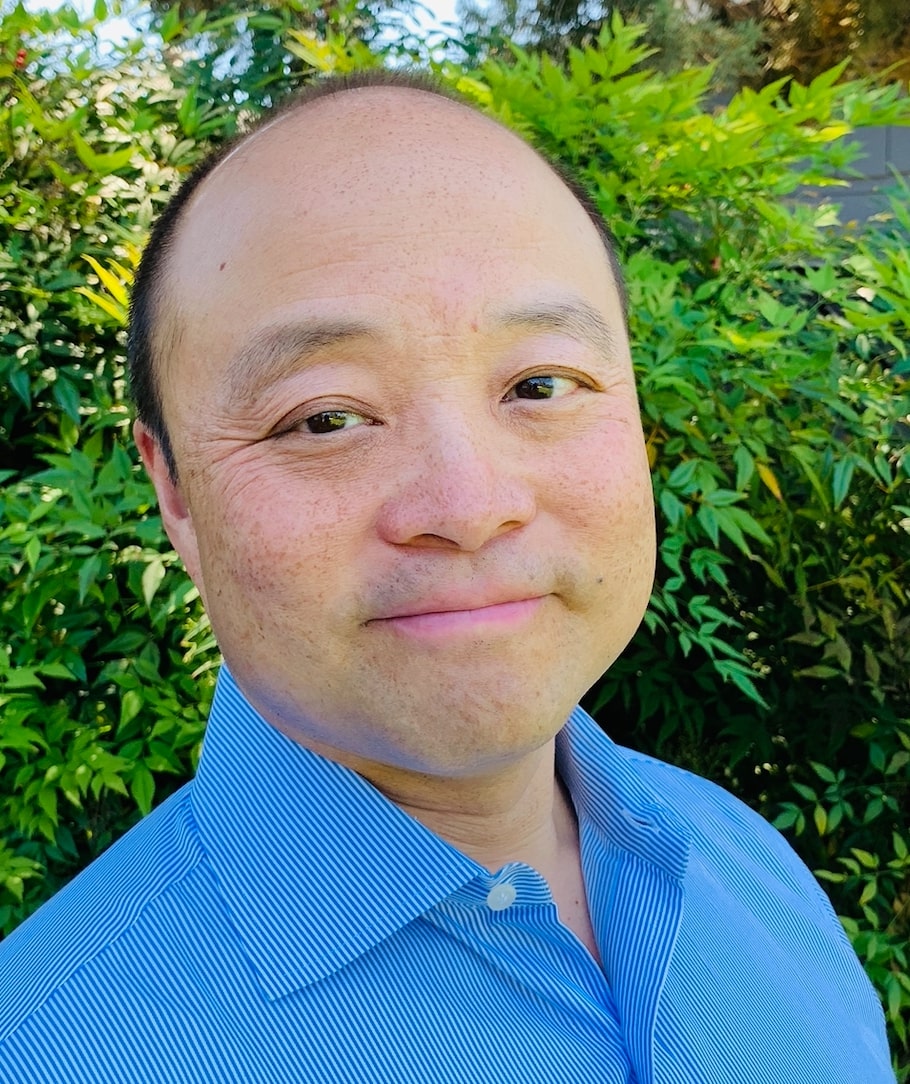
Brian Wang is a Futurist Thought Leader and a popular Science blogger with 1 million readers per month. His blog Nextbigfuture.com is ranked #1 Science News Blog. It covers many disruptive technology and trends including Space, Robotics, Artificial Intelligence, Medicine, Anti-aging Biotechnology, and Nanotechnology.
Known for identifying cutting edge technologies, he is currently a Co-Founder of a startup and fundraiser for high potential early-stage companies. He is the Head of Research for Allocations for deep technology investments and an Angel Investor at Space Angels.
A frequent speaker at corporations, he has been a TEDx speaker, a Singularity University speaker and guest at numerous interviews for radio and podcasts. He is open to public speaking and advising engagements.
