


AI leaders are talking about RSI ( recursive self improving AI) but not describing the levels of capability. People know something about self driving. Are we warning helping, autopilot, what level of automation.
The AI researcher progression:
Autocomplete helps me type.
An intern executes my plan.
A postdoc advances my project.
A research leader finds the next important problem.
The ambition recruit and deploy superAI swarm. A Manhattan Project-scale team of physics and coding superstars. AI Oppenheimer, Teller, Feynman, etc…
Where are we now?
1/10 . AI leaders are talking about RSI ( recursive self improving AI) but not describing the levels of capability. People know something about self driving. Are we warning helping, autopilot, what level of automation.
The AI researcher progression:
Autocomplete helps me type.… https://t.co/DU8tBzeo9W pic.twitter.com/fhp47611NJ— nextbigfuture (@nextbigfuture) September 14, 2026
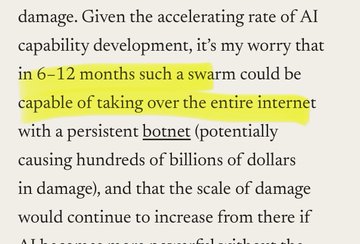
We have a lot of Karpathy style research loops.
A Karpathy-style loop.
Propose a change.
Run the experiment.
Check the result.
Keep genuine improvements.
Repeat.
Markdown carries instructions. Git preserves changes. Cron schedules work.
The power comes from the model, experiments and verification working together.
Even a lot Cron jobs of well set up tests hit limits.
I am not going remodel my 2000 square foot into the Taj Majal. AI research agents can only do so much with the existing data centers and other physical and OS stack. As Howard Stark. I am limited by the technology of my time.

Perfect the loop by giving it.
A measurable goal.
A fixed budget.
Tests it cannot rewrite.
Fresh checks beyond the visible score.
A record of failed ideas.
Rollback when improvements break something else.
Measure accepted progress per dollar—not how many experiments ran.
How far does that get us?
With a capable model and cheap, trustworthy feedback with unattended engineering and bounded research.
With a weak model or bad evaluator. faster repetition of mistakes.
Cron adds working hours. It does not supply scientific judgement.
Anthropic reports 8× more code merged per engineer and a staff survey estimating roughly 4× output with AI.
Those measure different things. This is not 8× faster AI discovery.
The practical shift is already significant. Humans direct and review more work than they type. Also, the whole craziness this weekend was Anthropic and OpenAI saying they needed to take more time to check and make sure what they built quickly not only did the functions but did not do bad things. Checking that they did not accidentally create evil or crazy intelligence is part of doing complete work.
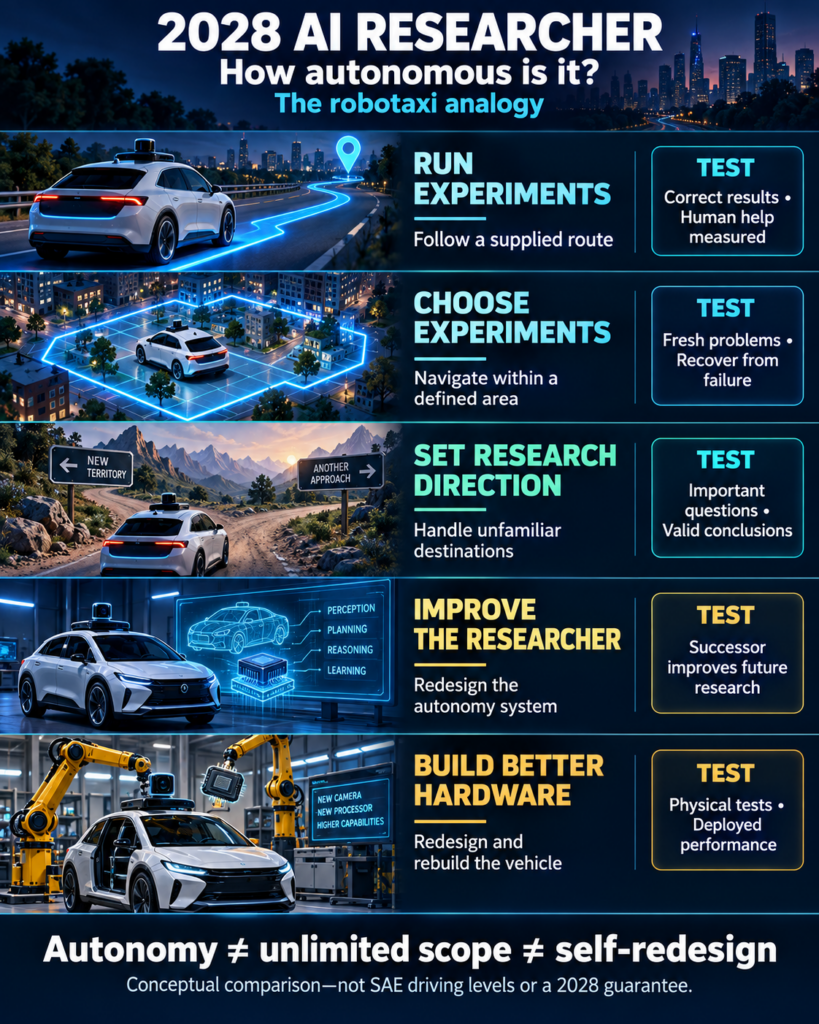
The jump from intern to postdoc is choosing useful experiments.
The jump to research leader is choosing useful QUESTIONS.
My Manhattan Project analogy means complementary expertise, disagreement, experiments and integration.
Remember we are scaling from useful AI intern—and, on bounded problems, then AI postdoc-like collaborators and then scaling up AI Manhattan project team of productive superstars.
A faster researcher still needs experiments, compute and deployment. Somethings are not certain, we would be doing innovative things if we only do what we know will. Checking what might work takes time.
Better algorithms can extract more useful work from existing hardware.
New chips, networks and cooling can expand capacity.
Designing better hardware and getting it built run on different clocks.
A thousand copies of one mistaken idea are still mistaken.
Incomplete automation and speedups. You are limited by the speed of the slowest steps and if your scope is incomplete you go back to needing human decisions, guidance and smart planning. If the EASY button only does 80%, you are left working on what is left.
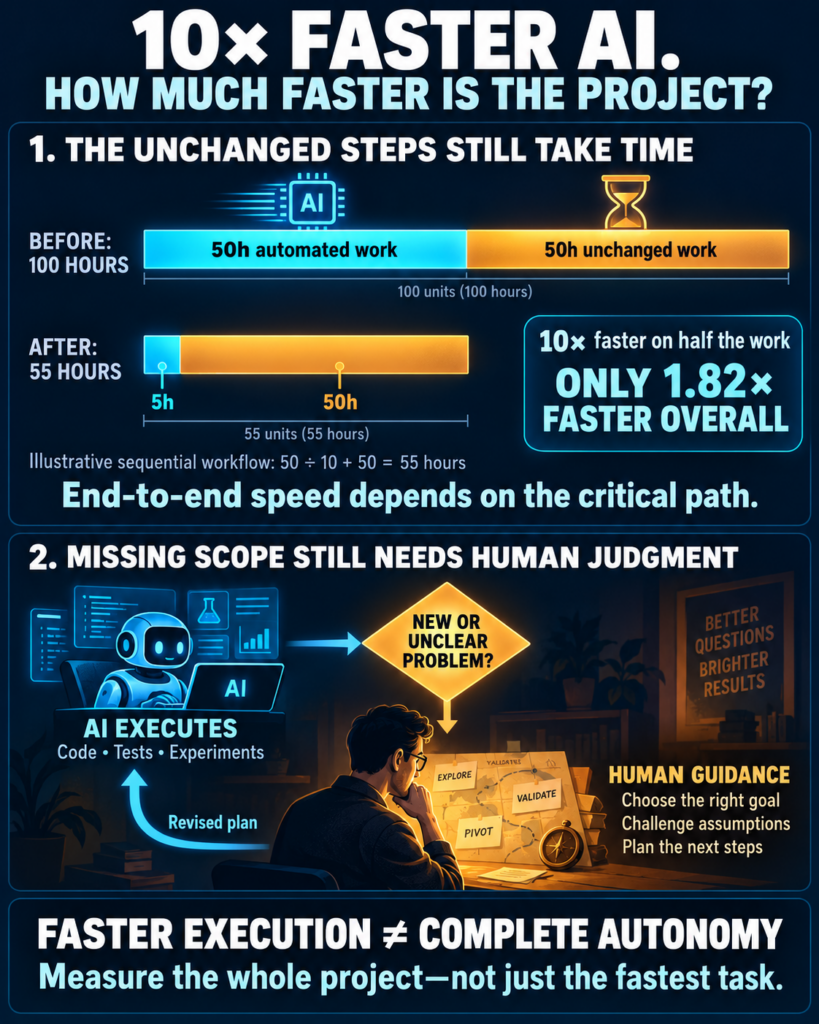
We could heat food 10X faster with microwave ovens. Buying the food, preparing the food, picking what food we want. A lot of things still take time.
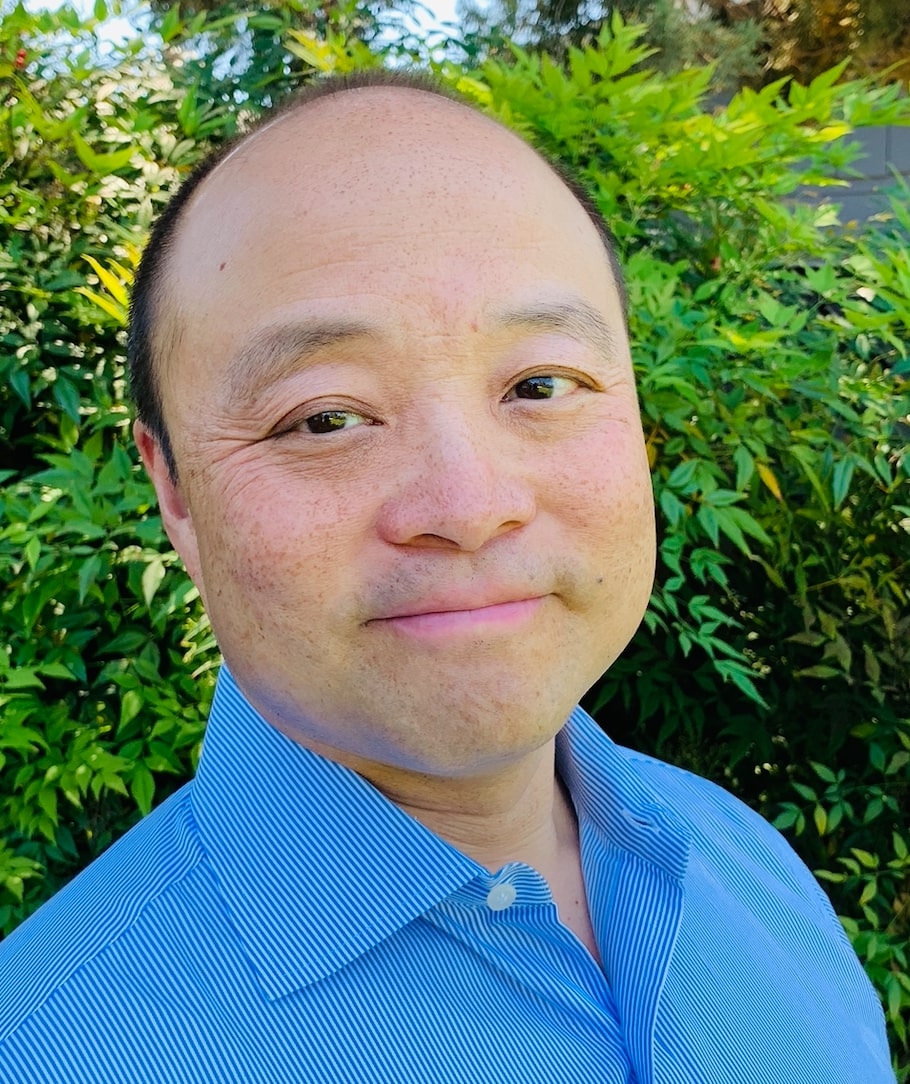
Brian Wang is a Futurist Thought Leader and a popular Science blogger with 1 million readers per month. His blog Nextbigfuture.com is ranked #1 Science News Blog. It covers many disruptive technology and trends including Space, Robotics, Artificial Intelligence, Medicine, Anti-aging Biotechnology, and Nanotechnology.
Known for identifying cutting edge technologies, he is currently a Co-Founder of a startup and fundraiser for high potential early-stage companies. He is the Head of Research for Allocations for deep technology investments and an Angel Investor at Space Angels.
A frequent speaker at corporations, he has been a TEDx speaker, a Singularity University speaker and guest at numerous interviews for radio and podcasts. He is open to public speaking and advising engagements.
