


SpaceX’s core challenge has always been making orbital launch cheap, reliable, and routine through reusability—first with Falcon 9’s first stage, and now with fully reusable Starship. This has driven engine design, recovery systems, heat protection, regulatory navigation, manufacturing scale, and business model. Here’s a breakdown of the key things they needed to do, with highlights and insights. As of November 14, 2026, they just achieved a major one. the first tower catch of a Starship upper stage after an orbital flight.
1. Master First-Stage Reusability (Falcon 9 Foundation)
SpaceX needed to prove propulsive landing of an orbital-class booster was possible and economical.
Key requirements. Supersonic retropropulsion (relighting engines while reentering at high speed), grid fins for steering, landing legs or equivalent precision, and engines durable enough for multiple firings with minimal refurbishment.
Controlled ocean landings by ~2013–2014, first land landing in December 2015, drone-ship landing in 2016, first reflight in 2017. By 2026, boosters have flown 30+ times (one record around 36–37), with hundreds of successful landings overall. Block 5 was specifically designed for rapid reuse.
This was the “dumb” but effective approach—focus on recovering the expensive first stage (most of the cost) while expending the second stage. It dropped costs dramatically versus the Shuttle (~$50k+/kg historically vs. Falcon ~$2–3k/kg range) and generated the flight rate and revenue (especially via Starlink) needed for bigger bets. Vertical integration and iterative testing were essential.
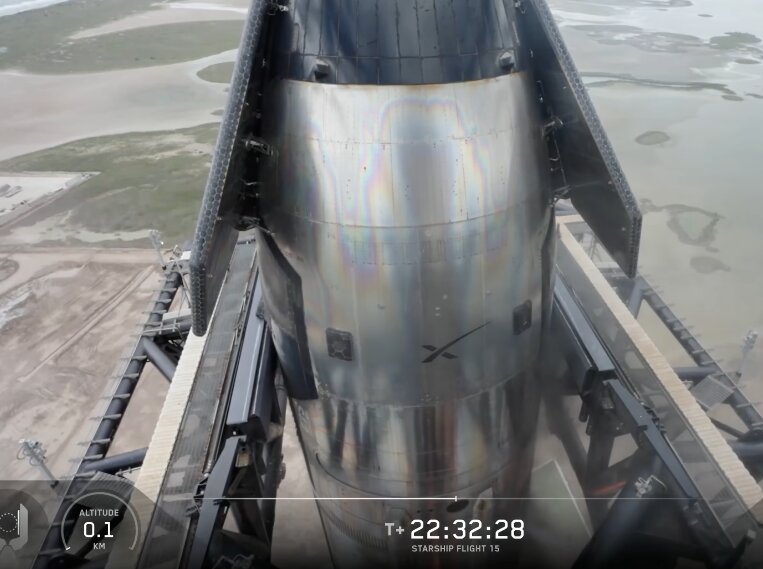
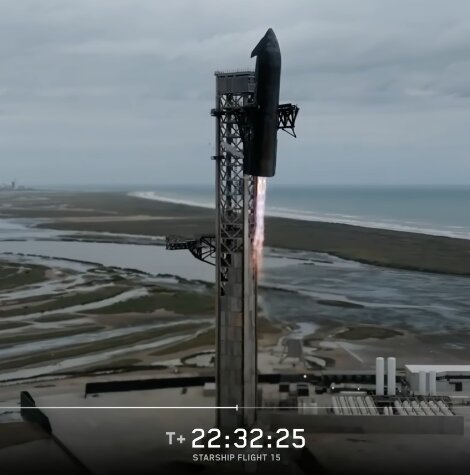
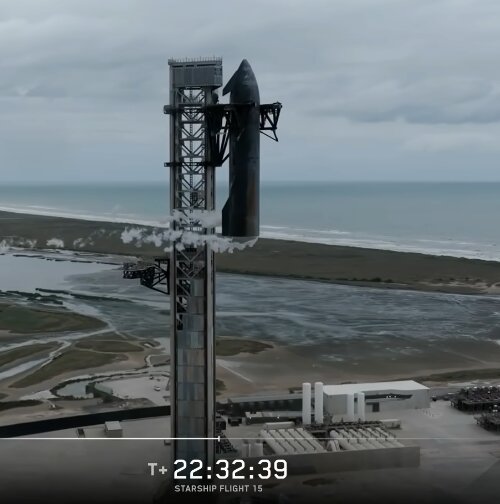
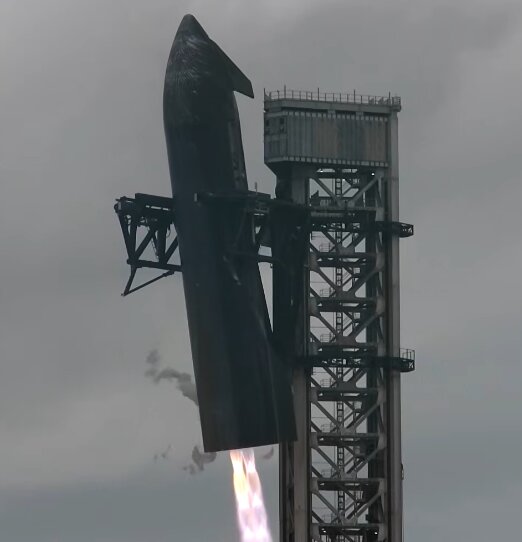
Inspecting ship 42 right now https://t.co/mazv15Dxtk
— Elon Musk (@elonmusk) November 14, 2026
2. Develop High-Performance, Reusable Engines
Raptor engines had to survive many cycles. They needed to provide high thrust-to-weight and specific impulse, and support the overall architecture.
Merlin (Falcon).Gas-generator cycle, RP-1/LOX. Designed from the start with reuse in mind; regenerative cooling helped longevity. Nine on the booster.
Raptor (Starship). Full-flow staged combustion, methane/LOX (methalox). Higher performance (~2–3× Merlin thrust per engine in later versions), cleaner exhaust, better for deep-space and high-reuse. Super Heavy uses 33; Starship uses sea-level + vacuum variants. Challenges include turbine wear, consistency, and scaling to high flight rates. Raptor V3/3.2 iterations address underperformance seen in recent flights.
Methalox enables higher efficiency and potential in-situ resource utilization on Mars. Full-flow is theoretically more efficient and reliable but harder to develop. SpaceX’s in-house approach let them iterate quickly.
3. Achieve Full Reusability on Starship and Booster
This is the current big bet. A vehicle that can put 100+ tonnes to orbit and return both stages for rapid turnaround, dropping costs by another order of magnitude.
Critical technical needs
Heat shield durability. Orbital reentry generates extreme heat over 1,400°C. Thousands of ceramic tiles plus refinements like ablative backups, smoother/rounded designs in high-risk areas, better attachment. Musk has called this one of the toughest remaining problems. Ocean splashdowns and intentional damage tests refined it before orbital returns.
Tower catch (chopsticks”/Mechazilla). Eliminates heavy landing legs for mass savings. Requires precise hover and guidance. Booster catches succeeded starting 2024 (IFT-5). Ship catch after orbit succeeded for the first time on Flight 15 (November 14, 2026).
Guidance, navigation, and propellant management: Precise trajectories (including over-land returns from orbit with careful corridors to minimize population risk), boostback/landing burns with enough residual propellant, and engine consistency. Flight 15 booster was diverted to Gulf splashdown due to low fuel mass (boostback ended early. root cause under investigation).
Hot-staging, payload deploy (Starlink V3 demonstrated), in-space Raptor relights.
Flight 15 highlights (Nov 13–14, 2026). Second orbital flight. ~22.5-hour mission, ~14 orbits, deployed 26 Starlink V3 satellites, then deorbit burn and successful tower catch of Ship 42. Booster issue did not prevent the ship success. This is a pivotal step toward recovering both stages.
Iterative “test, fail, fix, fly again” philosophy (14+ integrated flights from 2023–2026) has been key—many early losses of stages, engine issues, and heat-shield damage provided data no simulation could fully match. Full rapid reuse (airline-like) is still ahead; refueling in orbit is next major enabler for Moon (NASA HLS) and Mars.
4. Navigate Regulation and Operations at High Cadence
SpaceX needed licenses for launches/reentries, environmental approvals (NEPA), and processes that keep up with rapid iteration.
FAA vehicle operator licenses under Part 450 (the modern framework), payload reviews, safety analyses, and spectrum/ITU coordination for Starlink. Iterative vehicle changes historically required license modifications that could delay flights for months.
Environmental reviews (sonic booms, water deluge, site impacts) and public safety thresholds have been bottlenecks; SpaceX has publicly criticized delays. Recent rule changes aim to streamline minor iterations and multi-flight packages for established operators.
High flight rate (Falcon often multiple per week) forced both SpaceX and regulators to adapt. Success depends on demonstrated safety track records enabling faster approvals.
5. Scale Manufacturing, Vertical Integration, and Business Model
Produce vehicles and satellites at high rate (stainless steel for Starship helped manufacturability and heat tolerance versus traditional composites).
Starlink as the primary revenue engine funding Starship development and providing its own demand for launches.
Cost discipline and rapid hardware iteration over perfect paper designs.
SpaceX succeeded by treating rockets more like aircraft (recover and reuse the expensive parts) while accepting failures as data. Falcon 9 proved the economic model. Starship aims to make access so cheap that new markets (orbital data centers, Moon bases, Mars settlement) become feasible. The November 2026 ship catch shows the full-reusability vision is progressing from theory to hardware reality, though booster reliability, heat-shield longevity for rapid reuse, and orbital refueling remain key remaining hurdles.
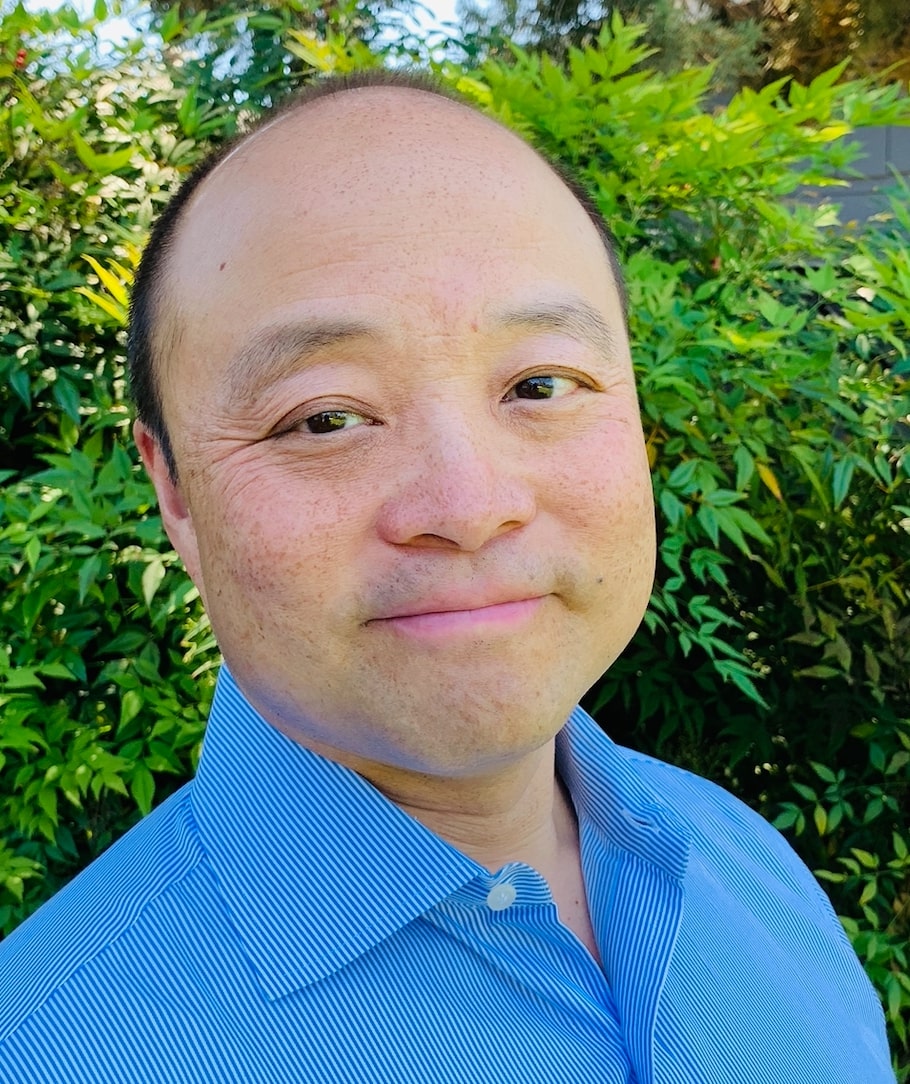
Brian Wang is a Futurist Thought Leader and a popular Science blogger with 1 million readers per month. His blog Nextbigfuture.com is ranked #1 Science News Blog. It covers many disruptive technology and trends including Space, Robotics, Artificial Intelligence, Medicine, Anti-aging Biotechnology, and Nanotechnology.
Known for identifying cutting edge technologies, he is currently a Co-Founder of a startup and fundraiser for high potential early-stage companies. He is the Head of Research for Allocations for deep technology investments and an Angel Investor at Space Angels.
A frequent speaker at corporations, he has been a TEDx speaker, a Singularity University speaker and guest at numerous interviews for radio and podcasts. He is open to public speaking and advising engagements.
