


Movie theaters are making a comeback this year. Part of that is thanks to tried-and-true blockbusters like Project Hail Mary and The Super Mario Galaxy Movie, which is first film of 2026 to cross $1 billion at the box office. But the more exciting development is that the smaller, independent movies have captured the imaginations of younger moviegoers. Backrooms, based on a 2010s-era piece of internet folklore, has taken in over $200 million on a budget of just $10 million. Obsession, a horror movie about love gone wrong, has made even more (for now) and cost even less. This is the kind of thing that gets Hollywood studio executives vibrating with excitement.
What’s more, Obsession and Backrooms were directly respectively by 26-year-old Curry Barker and 20-year-old Kane Parsons, filmmakers who got their starts on YouTube. It’s set off a hunt for the next wave of young talent that could help push Hollywood into a new era, and it’s not the first time something like that has happened.
The era of big IP is faltering
The rise of the YouTuber is here
Again, it’s not as though audiences are done with traditional blockbuster movies, but there’s a sense that they’re getting tired of business as usual. When Disney started making new Star Wars films in the 2010s, each new movie would reliably pull in over a billion dollars a pop. The latest one, The Mandalorian and Grogu, will be lucky to make a profit. Masters of the Universe, a $200 million movie based on a fantasy series from the 1980s, looks like it’s going to bomb.
However expensive these movies are, however spectacular the special effects, they feel like more of the same. After you’ve seen a hundred million Marvel movies, there’s a limit to how excited you can get for an action-adventure film built around a recognizable IP.
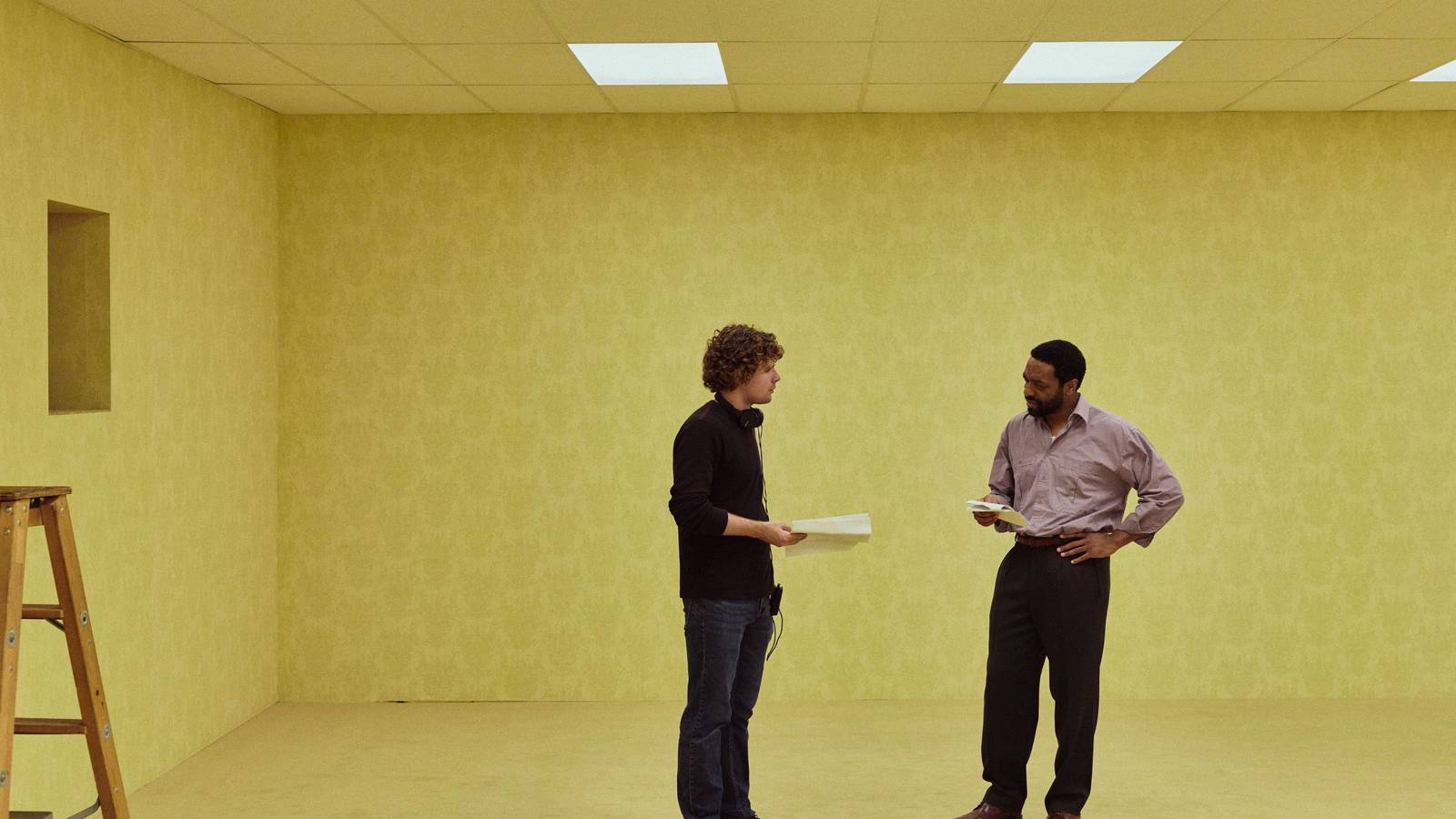
Films like Backrooms and Obsession bring in fresh ideas that none of the usual suspects would pitch to major studios. The 20-something working stiffs in Obsession talk and act like modern 20-somethings. Backrooms taps into a sense of liminal anxiety that’s been alive and well on social media for years but that had yet to make the jump to the big screen.
And these movies do not stand alone. Just this past weekend, a new film called The Amazing Digital Circus: The Last Act joined Obsession and Backrooms near the top of the box office charts; The Last Act is a mashup of the final two episodes of a YouTube series called The Amazing Digital Circus. Earlier this year, filmmaker Mark Fischbach, better known by his YouTube moniker Markiplier, released the horror movie The Iron Lung, which made $51 million on a $3 million budget.
These filmmakers may not have come up through the traditional Hollywood system, but obviously their work is appealing to people, which major studios can’t afford to ignore. It all recalls another time Hollywood was forced to pivot.
When the era of studio system was faltering
The rise of the film brat was here
In the 1960s, Hollywood was struggling to draw people to movie theaters. A series of antitrust rulings made it illegal for studios to hold monopolies on theaters, the rise of television was keeping people at home, and most importantly, the kind of movies the top brass wanted to make just weren’t appealing to people anymore. It led to expensive flops like Doctor Dolittle (1968) and Darling Lili (1970), leaving studios with no choice but to try something different.
They responded by letting younger filmmakers have a chance. So we got edgy, experimental films like The Graduate, Bonnie & Clyde, and Midnight Cowboy in the late 1960s. In 1972, Francis Ford Coppola released The Godfather, which combined the grandeur of old Hollywood with the artistic sensibilities of the new generation. In 1973, Martin Scorsese had his breakthrough film with Mean Streets. In 1975, a 29-year-old Steven Spielberg released Jaws, one of the first summer blockbusters. And a couple of years later, his buddy George Lucas changed the game with Star Wars.
A lot of these new wave filmmakers went to film school, which was a relatively new concept at the time; the biggest filmmakers of classic Hollywood, people like Howard Hawks and Billy Wilder, didn’t go to film school because it didn’t exist when they were coming up. Film school became a reliable path to breaking into the industry. Now, it’s looking YouTube is the new preferred path. Curry Barker went to film school but dropped out after a week to post videos online. Kane Parsons made short films in Blender as a young teenager, teaching himself everything.
None of the films made by the film brats of the 1960s and 1970s could have gotten produced under the old studio system. Hollywood studios were smart enough to hand the keys to the kingdom to the up-and-comers, who changed the industry forever. It’d be an exaggeration to say films like Obsession and Backrooms could have never gotten made in the era of big IP, but they certainly wouldn’t have been prioritized. The question now is whether Barker, Parsons, and the rest of their YouTube brethren will change the way movies get made in the way the film brats did back in the ’60s and ’70s. And if so, what will it change into?
The revolution is underway
Viva content

Already, studios are looking to YouTube creators to help sell the movies to a new generation. Dylan Clark, whose short film Portrait of God has 10 million views on YouTube, has been tapped to direct a reboot of The Blair Witch Project. Nicolas Curcio, who dispenses storytelling advice on TikTok to his 140k followers, is making his first feature, Play House. Sam Evenson, the creator behind the popular YouTube channel Grimoire Horror, is working on a feature-length adaptation of his short Mora, about an artist who uses an AI model corrupted by dark web images. And there are lots of other filmmakers who came up through social media who could break out at any moment.
Ultimately, the lesson here shouldn’t be, “Hollywood should recruit filmmakers through YouTube.” It should be that Hollywood should listen to younger filmmakers with fresh ideas and new voices, although since so many of them get their starts on YouTube and elsewhere on the internet, they do seem like the same thing sometimes.
YouTube’s new strategy will help it get closer to its goal of replacing all TV
YouTube has long disrupted the traditional TV market. Now it’s trying to replace it.
What’s new is old again
Eventually, the Hollywood revolution ushered in by the film brats in the ’60s and ’70s gave way to a new studio system, one controlled by enormous, risk-averse companies like Disney. That era is starting to stagnate, but today’s cool new idea is tomorrow’s old news. Whatever this new generation of filmmakers produce may eventually become stale and give way to a new status quo, but right now, it feels exciting to be at the start of something.

- Release Date
-
May 15, 2026
- Runtime
-
108 minutes
- Director
-
Curry Barker
