

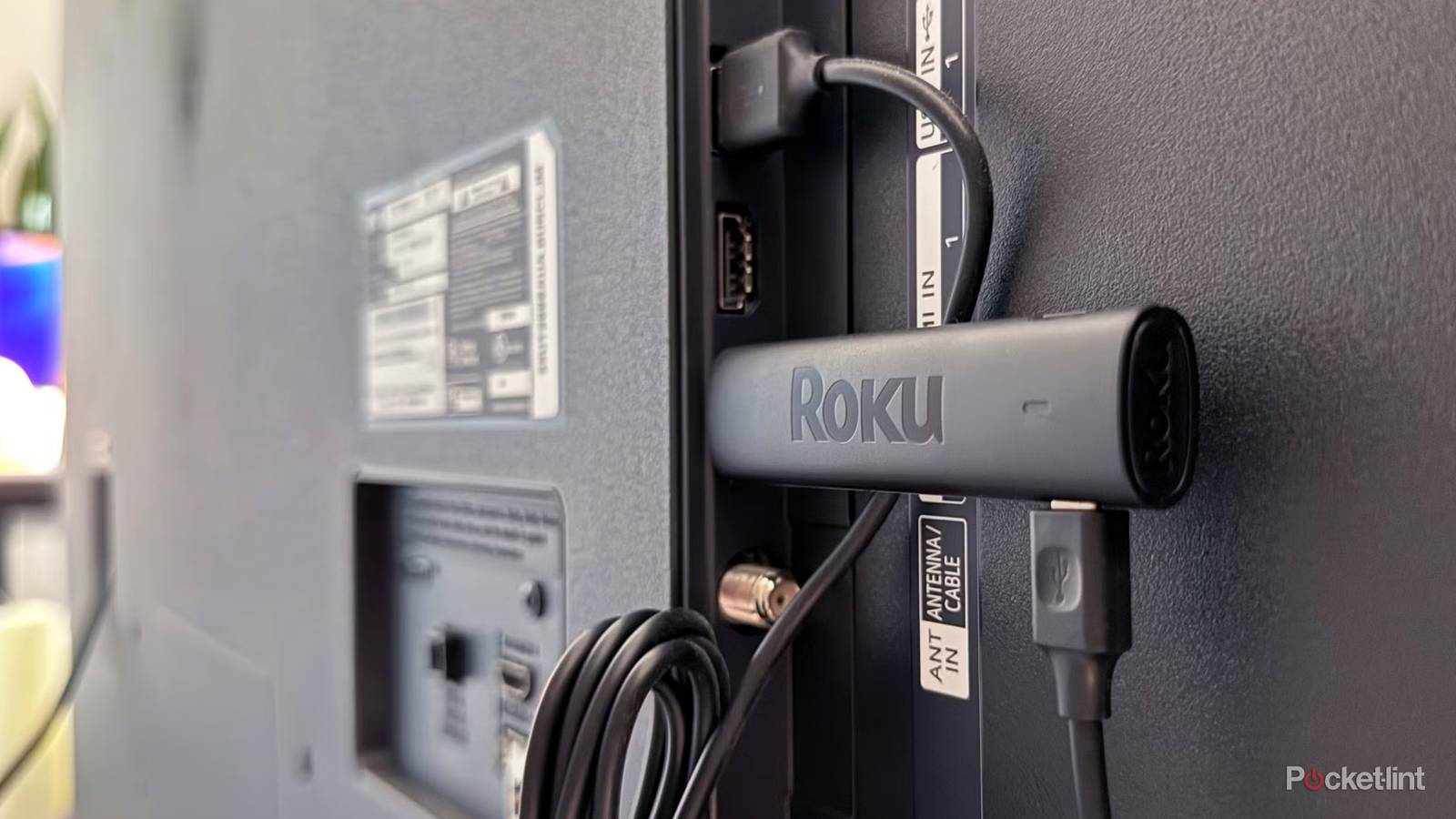

For a while now, Roku has held the crown as the largest, most-used TV operating system in the US, and it’s not surprising that it still does. Its streaming devices are affordable, and so are the smart TVs that run Roku OS. The Roku Channel is also arguably one of the best free, ad-supported streaming services, offering thousands of on-demand movies and TV shows, along with hundreds of free live TV channels.
However, while Roku remains dominant in the US streaming market, other platforms are gaining momentum, particularly Google TV.
According to new data from Hub Research (via The Streamable), Google TV/Android TV is now the third-largest streaming OS in the US, with a 14 percent market share. The platform trails Fire TV in second place at 17 percent, while Roku remains way out in front with a 37 percent share.

This puts Google TV ahead of some of the biggest TV operating systems and manufacturers in the US, including Samsung’s Tizen OS, which trails Google TV at just 8 percent. Apple’s tvOS also sits at 8 percent, while LG’s webOS is even further behind at just 5 percent.
Big opportunities lie ahead for Google TV
Google TV could overtake Fire TV in the future

Seeing Google TV become the third-largest streaming operating system in the US is promising for the platform, and I can’t help but feel that some very big opportunities lie ahead for Google TV. If it can take advantage of them, I could easily see its market share continuing to grow in the US, perhaps even eventually overtaking Fire TV.
For starters, TCL is one of Google TV’s biggest partners, and the company is continuing to grow its footprint in the US and around the world. According to the latest data from Counterpoint Research, TCL is also catching up with Samsung fast, holding a 14 percent share of global TV shipments in Q1 2026, just behind Samsung at 17 percent. So, the more TCL grows and catches up to Samsung, the more Google TV stands to benefit.
But another major opportunity I think Google TV has in the coming years is attracting users who are ditching Fire TV and looking for an alternative. Why? Last year, Amazon announced Vega OS, its new Linux-based operating system for Fire TV devices. While Amazon promises that Vega OS will be faster, one of its biggest drawbacks is that it no longer supports sideloading third-party apps, including custom launchers. That’s a major change from Fire OS, Amazon’s Android-based operating system that it has used on Fire TV devices for well over a decade and which supports sideloading.
…when owners of the current-gen Fire TV Stick 4K Plus and 4K Max eventually look to upgrade but want to keep the flexibility and freedom of Android, Google TV will be their best alternative.
Amazon announced earlier this year that all future Fire TV Sticks will run Vega OS. That means when the company inevitably releases new versions of the Fire TV Stick 4K Plus and 4K Max, two of its most popular 4K streaming sticks, those models will no longer run Android. And when owners of the current-gen Fire TV Stick 4K Plus and 4K Max eventually look to upgrade but want to keep the flexibility and freedom of Android, Google TV will be their best alternative.
That could make devices like the Google TV Streamer and Walmart’s lineup of Onn streaming devices, including the popular Onn 4K Pro, increasingly attractive options for former Fire TV users, especially since they all run Google TV.
Google TV also stands to gain from Roku
The Google TV Streamer now offers the best value over the Roku Ultra

Another big opportunity for Google TV to gain even more momentum in the coming months is to capitalize on Roku’s recent price hikes and attract more users to its platform.
Just last week, Roku announced that it was raising prices across its entire lineup of streaming hardware, including its streaming sticks and the Roku Ultra, due to the ongoing global memory shortage driven by the AI boom, which has sent memory prices soaring.
The Roku Ultra, once one of the best-value set-top streamers on the market and one of the Google TV Streamer’s biggest competitors, received a $50 price hike, going from $100 to $150.
That makes the Google TV Streamer significantly cheaper at $100, and it comes with 4GB of RAM, giving it an edge over the Roku Ultra’s 3GB. It also supports Dolby Vision and Dolby Atmos. Plus, the Google TV Streamer’s Ethernet port is far more capable, supporting Gigabit speeds, while the Roku Ultra’s Ethernet port is limited to 10/100 Mbps.
So, as long as Google doesn’t raise the price of the Google TV Streamer anytime soon, it stands to benefit significantly from Roku’s recent price hikes — and Apple’s, for that matter, given that Apple also raised the price of the Apple TV 4K from $130 to $200.
All in all, the future of Google TV is looking increasingly bright. With Amazon moving toward Vega OS and Roku raising prices, Google TV has several big opportunities to grow its user base. In a couple of years, I wouldn’t be surprised to see Google TV overtake Fire TV in market share in the US and start making even more significant gains on Roku.

- Dimensions
-
6.4 x 3 x 1-inch
- Connective Technology
-
Wi-Fi, Bluetooth
- Brand
-
Google
- What’s Included
-
Remote
