

Close Menu

    Subscribe to Updates

    Get the latest Tech news from SynapseFlow

    What's Hot

    iPhone Fold to make Apple a top-three foldable player in 2026

    April 14, 2026

    Super Typhoon Sinlaku – NASA Science

    April 14, 2026

    Huawei Pura 90 Pro Max’s photography features teased in new videos

    April 14, 2026
    Facebook X (Twitter) Instagram
    • Homepage
    • About Us
    • Contact Us
    • Privacy Policy
    Facebook X (Twitter) Instagram YouTube
    synapseflow.co.uksynapseflow.co.uk
    • AI News & Updates
    • Cybersecurity
    • Future Tech
    • Reviews
    • Software & Apps
    • Tech Gadgets
    synapseflow.co.uksynapseflow.co.uk
    Home»Future Tech»Super Typhoon Sinlaku – NASA Science
    Super Typhoon Sinlaku – NASA Science
    Future Tech

    Super Typhoon Sinlaku – NASA Science

    The Tech GuyBy The Tech GuyApril 14, 2026No Comments3 Mins Read0 Views
    Share
    Facebook Twitter LinkedIn Pinterest Email
    Advertisement


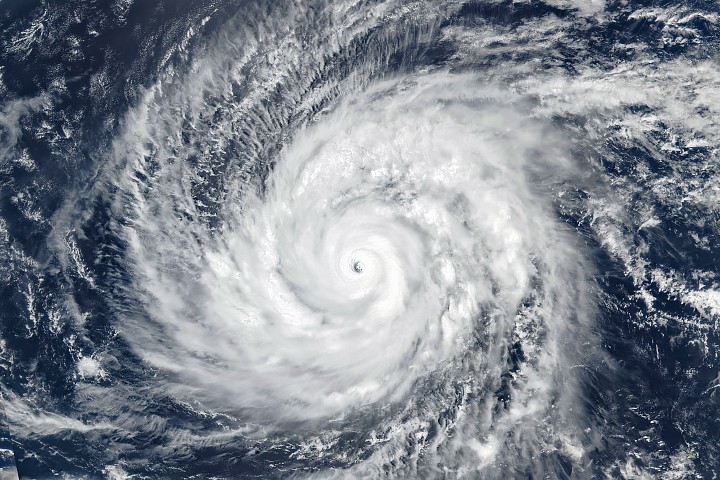
    In mid-April 2026, a powerful typhoon bore down on the Mariana Islands in the North Pacific Ocean. The storm, Super Typhoon Sinlaku, was notable for reaching such exceptional strength so early in the year.

    Advertisement

    The VIIRS (Visible Infrared Imaging Radiometer Suite) on the Suomi NPP satellite captured this image at about 03:30 Universal Time (1:30 p.m. local time) on April 13, 2026, as Sinlaku approached the islands. At the time, the storm carried sustained winds of around 280 kilometers (175 miles) per hour. That places it as a violent typhoon—the highest intensity on the scale used by the Japan Meteorological Agency and equivalent to a category 5 storm on the Saffir-Simpson wind scale.

    The storm continued along its northwest track toward the Marianas on the morning of April 14, as storm bands began to bring heavy rain to the islands of Saipan, Tinian, and Rota, according to an update from the National Weather Service. Forecasts called for typhoon conditions to affect Saipan and Tinian from April 14 into April 15 before subsiding to tropical storm conditions.

    Though Super Typhoon Sinlaku occurred in the troposphere, the lowest layer of the atmosphere, it formed gravity waves that were visible much higher. The VIIRS (Visible Infrared Imaging Radiometer Suite) on the NOAA-20 satellite captured this nighttime image of the concentric waves made visible in the mesosphere by airglow.

    Sinlaku is the second category 5 tropical cyclone of 2026, following Horacio, which churned over the South Indian Ocean in late February. Meteorologists note that Sinlaku is also one of only a handful of category 5 typhoons—a tropical cyclone that occurs in the Northwestern Pacific Ocean—known to have occurred so early in the year.

    Meanwhile, several other storms spun over the planet’s oceans. On April 10, Tropical Cyclone Maila rotated in the opposite direction across the equator, and on April 12, Tropical Cyclone Vaianu crossed New Zealand’s North Island. 

    NASA Earth Observatory image by Michala Garrison, using VIIRS data from NASA EOSDIS LANCE, GIBS/Worldview, and the Suomi National Polar-orbiting Partnership. Story by Kathryn Hansen.

    A large tropical cyclone spins over blue ocean water, its bright white cloud bands extending across parts of the Mariana Islands.

    • CIMSS Satellite Blog (2026, April 12) Super Typhoon Sinlaku rapidly intensifies to a Category 5 storm. Accessed April 13, 2026.
    • Japan Meteorological Agency (2026, April 13) Tropical Cyclone Information. Accessed April 13, 2026.
    • Joint Typhoon Warning Center (2026, April 13) Super Typhoon 04W (Sinlaku) Warning #20. Accessed April 13, 2026.
    • National Weather Service (2026, April 14) Zone Forecast for Guam and the Northern Marianas. Accessed April 13, 2026.
    • Yale Climate Connections (2026, April 12) Cat 5 Super Typhoon Sinlaku the 2nd-strongest typhoon so early in the year. Accessed April 13, 2026.
    • Yale Climate Connections (2026, February 23) Tropical Cyclone Horacio: Earth’s first Category 5 tropical cyclone of 2026. Accessed April 13, 2026.

    Advertisement
    Share. Facebook Twitter Pinterest LinkedIn Tumblr Email
    The Tech Guy
    • Website

    Related Posts

    Scientists Grow Electronics Inside the Brains of Living Mice

    April 14, 2026

    Huge Group of Experts Warns Meta That Its Pervert Glasses Will Enable Terrible Crimes

    April 13, 2026

    SpaceX Will Have Static Fire Testing of All 33 Engines

    April 13, 2026

    Artemis II Splashes Down – NASA

    April 13, 2026

    CDC Caught Burying Report on Real Effects of COVID Vaccine

    April 13, 2026

    IVO Quantum Orbital Thrust Update

    April 12, 2026
    Leave A Reply Cancel Reply

    Advertisement
    Top Posts

    The iPad Air brand makes no sense – it needs a rethink

    October 12, 202516 Views

    ChatGPT Group Chats are here … but not for everyone (yet)

    November 14, 20258 Views

    Facebook updates its algorithm to give users more control over which videos they see

    October 8, 20258 Views
    Stay In Touch
    • Facebook
    • YouTube
    • TikTok
    • WhatsApp
    • Twitter
    • Instagram
    Advertisement
    About Us
    About Us

    SynapseFlow brings you the latest updates in Technology, AI, and Gadgets from innovations and reviews to future trends. Stay smart, stay updated with the tech world every day!

    Our Picks

    iPhone Fold to make Apple a top-three foldable player in 2026

    April 14, 2026

    Super Typhoon Sinlaku – NASA Science

    April 14, 2026

    Huawei Pura 90 Pro Max’s photography features teased in new videos

    April 14, 2026
    categories
    • AI News & Updates
    • Cybersecurity
    • Future Tech
    • Reviews
    • Software & Apps
    • Tech Gadgets
    Facebook X (Twitter) Instagram Pinterest YouTube Dribbble
    • Homepage
    • About Us
    • Contact Us
    • Privacy Policy
    © 2026 SynapseFlow All Rights Reserved.

    Type above and press Enter to search. Press Esc to cancel.

    Ad Blocker Enabled!
    Ad Blocker Enabled!
    Our website is made possible by displaying online advertisements to our visitors. Please support us by disabling your Ad Blocker.