



If you’re looking to buy a new TV in 2026, the two options you’ll be picking from are QLED and OLED. OLED holds the edge in contrast, but QLED is way brighter and often more affordable, too.
If you’re interested in buying one of the best TVs out there, then it’s well worth taking a look at these top QLEDs. They offer the best brightness, some of the most vibrant HDR highlights, and richer colors than ever.
The best QLEDs come in a range of sizes and at a range of prices. Picking the best one can be tricky, but we feel confident in saying these are the absolute best out there.
Want some help picking? Check our our TV buying guide.
Best QLED TVs to buy in 2026
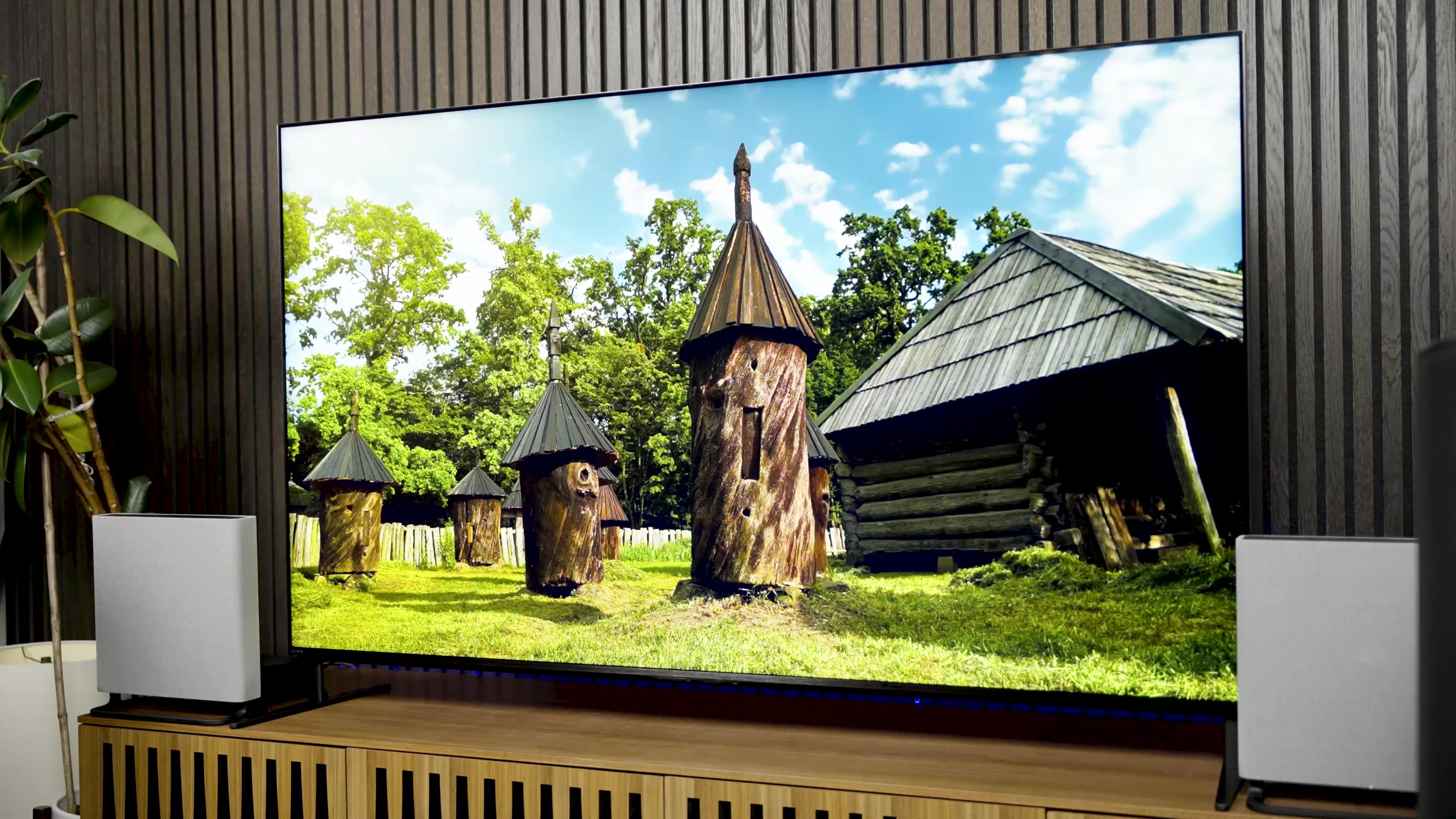
The best overall QLED you can buy
Sony Bravia 9
Pros
- Super-clean picturer
- Deep blacks, minimal bloomingr
- Excellent contrastr
- Searing HDR highlightsr
- Excellent motion handling
Cons
- Backlight fluctuations visible in dark roomsr
- Very expensive
| Specification: | |
| Screen sizes available | 65, 75, and 85 inches |
| Display type | mini-LED |
| HDR support | Dolby Vision, HDR10, and HLG |
| Operating system | Google TV |
| Connectivity | 2 x HDMI 2.1, 4 x HDMI 2.0, Ethernet, optical, 2 x USB-A |
Every once in a while, a TV comes along that just blows us away, and that is precisely what happened last August when we reviewed Sony’s much-hyped Bravia 9 mini-LED TV.
The Sony Bravia 9 is a simply gorgeous TV that excels in bright rooms thanks to Sony’s new IC processing chip that Digital Trends’ editor-at-large (and TV reviewer supreme) also praised as being responsible for some of the most accurate colors, contrast, and brightness levels he’s ever seen on a mini-LED, so you can rest assured that this set will be excellent for all your movie and TV viewing. Additionally, the Bravia 9 also supports HDR10, HLG, and Dolby Vision HDR formats, ensuring excellent contrast.
With two of its four HDMI ports being HDMI 2.1 that support 4K/120Hz and VRR (variable refresh rate), the Bravia 9 is not only excellent for fast-moving action movies but gamers will be smiling ear-to-ear, too. The other two HDMI ports aren’t slacking either, with support for 4K/60Hz — all four ports support ALLM (auto low latency mode) that automatically adjusts the picture quality modes depending on the source input.
As Denison points out in his review, the Bravia 9 could do better at off-angle viewing, but it’s not likely to be a deterrent unless that’s a specific concern to you. The Bravia 9 also features a big and bold sounding 70-watt, 2.2.2 audio system built-in, which means you might not need to add a soundbar or an AV receiver and additional speakers.
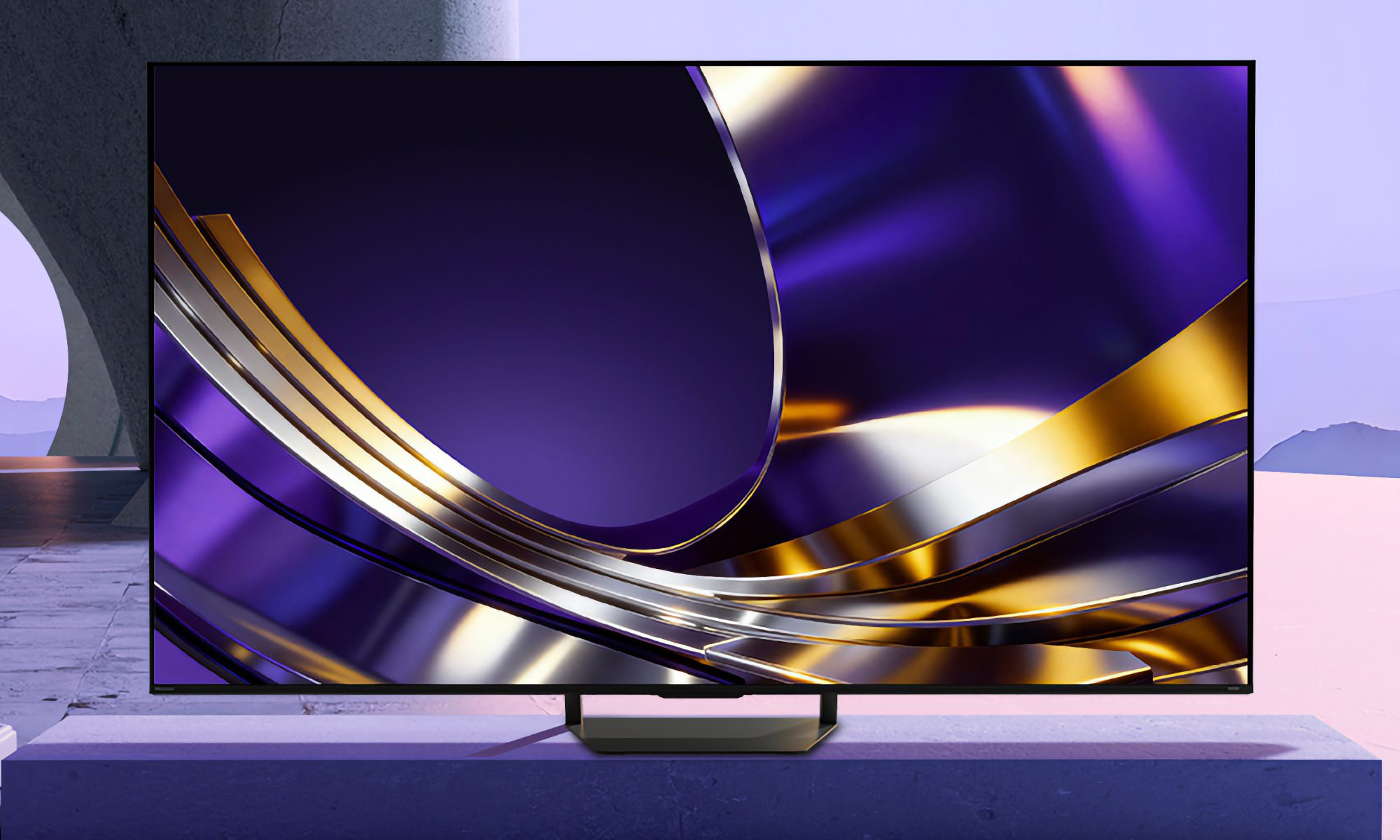
The Sweet Spot Between Price and Picture Quality
Hisense 55U7SG
Pros
- Extremely high peak panel brightness
- Effective anti-reflective screen coating
- Affordable value for performance offered
- Affordable value for performance offered
Cons
- Off-angle viewing loses picture accuracy
- Muted colors compared to OLEDs
| Specification: | |
| Screen sizes available | 55, 65, 75, 85, and 100 inches |
| Display type | Mini-LED (ULED / Quantum Dot) |
| HDR support | Dolby Vision (IQ), HDR10+, HDR10, HLG |
| Operating system | Google TV |
| Connectivity | 2 x HDMI 2.1 (up to 144Hz), 2 x HDMI 2.0, Ethernet, Optical, 3.5mm Aux Out, 2 x USB-A |
This is Hisense’s standout mini-LED TV for 2026. It uses Hisense’s Hi-QLED mini-LED Pro backlighting, with up to 3,000 local dimming zones and up to 3,000 nits of peak brightness, which gives it the kind of contrast and highlight detail you’d expect from something priced well above it. Color comes from Pantone-validated Hi-QLED panels, so skin tones, grass, and team uniforms land closer to how they actually look rather than the oversaturated push a lot of budget QLEDs default to.
Gaming and motion are where this set really separates itself. It runs at a native 165Hz refresh rate with Motion Rate 660 and AI Smooth Motion working together to keep fast scenes clean, and Game Booster 330 with VRR keeps input lag low for anyone gaming on it seriously. The Hi-View AI Engine Pro processor handles scene-by-scene adjustments to color and contrast automatically, and audio comes from a 2.1.2 channel system tuned by Devialet, which is a genuinely unusual inclusion at this price point.
What makes this TV really stand out is its anti-reflection screen. It’s a dual-layer treatment that Hisense normally reserves for pricier sets, and bringing it down to the U7SG means the picture stays watchable in a bright room without needing to close every blind in the house. Reviewers who’ve spent real time with it point to that anti-glare layer and peak brightness as the two things that make it feel like a much more expensive TV than it is, with the main tradeoff being narrower viewing angles if you’re sitting well off to the side.
It runs on Google TV with Gemini built in for voice control and content recommendations. Independent testing has also found very good motion performance with minimal blurring and sound quality that beats most TVs in its class, which matches what Hisense claims about the Devialet-tuned speakers.
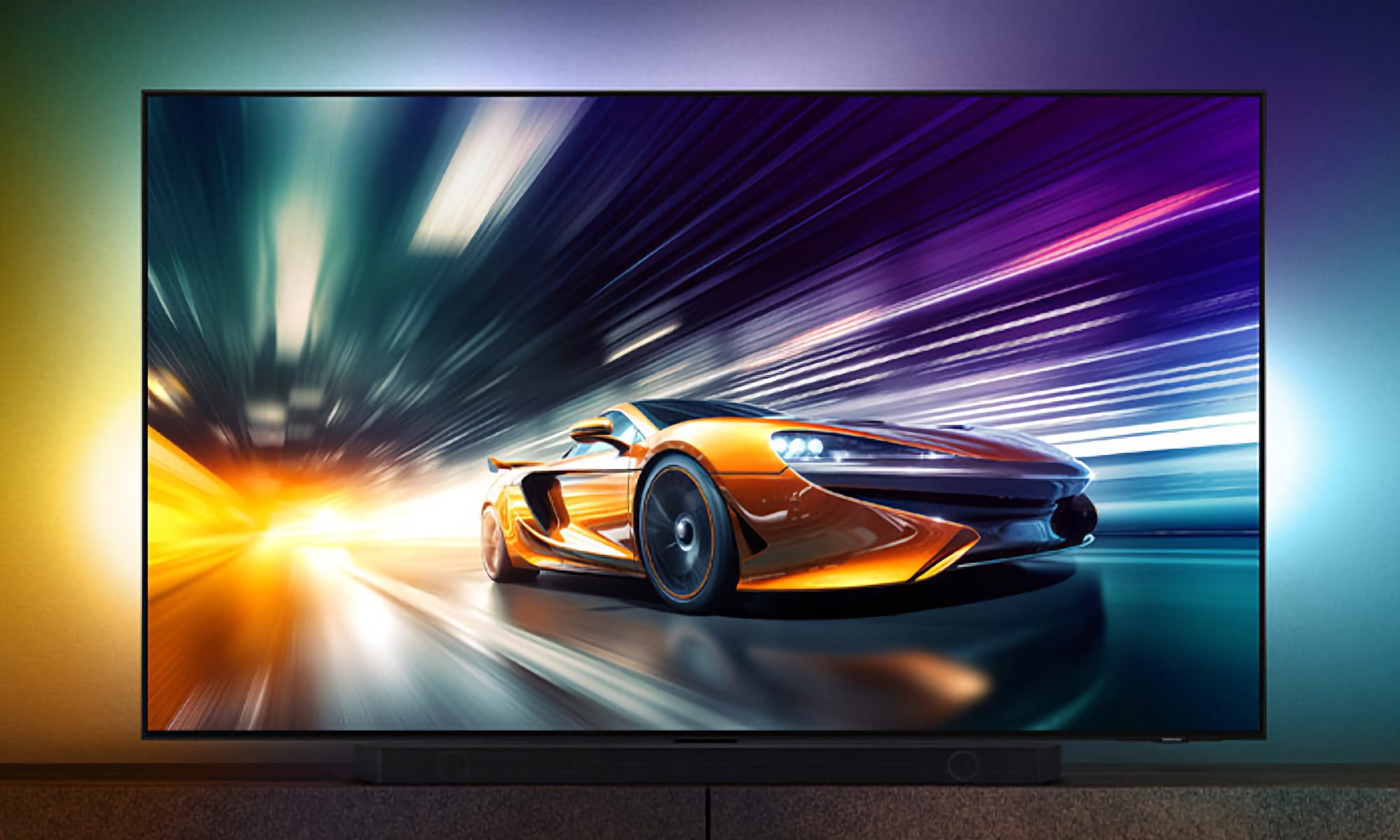
Best QLED TV for a living room
Samsung QN90D 75-inch
Pros
- Exceptional peak screen brightness
- Excellent high-frame gaming performance
- Fantastic fast-action motion handling
- Effective anti-glare screen coating
Cons
- Minor backlight halo blooming
- Lacks Dolby Vision support
| Specification: | |
| Screen sizes available | 43, 50, 55, 65, 75, 85, and 98 inches |
| Display type | Mini-LED (Neo QLED / Quantum Dot) |
| HDR support | HDR10+, HDR10, HLG (No Dolby Vision) |
| Operating system | Tizen OS |
| Connectivity | 4 x HDMI 2.1 (up to 144Hz), Ethernet, Optical, 3.5mm EX-Link, 2 x USB-A |
Samsung’s QN90D sits in the upper mid-range of its Neo QLED lineup, and the 75-inch version leans into exactly what that price bracket should deliver: strong brightness, sharp motion, and a processor that can power everything. The Quantum Matrix backlighting uses mini-LEDs for precise local dimming, and Neo Quantum HDR+ pushes both contrast and color further than the panel could manage on its own, so bright scenes stay controlled instead of blowing out.
The NQ4 AI Gen2 Processor is doing more than upscaling here. It runs 20 separate neural networks to handle everything from the Smart TV Hub to real-time 4K upscaling, and Real Depth Enhancer Pro specifically works to make foreground subjects stand out from the background rather than flattening everything into the same plane, which matters more on a screen this large. Motion Xcelerator 144Hz keeps fast sports and gaming smooth, and Object Tracking Sound+ moves audio around the screen to match on-screen motion when paired with the built-in Dolby Atmos system.
One thing worth flagging if Dolby Vision matters to you: Samsung TVs, including this one, skip it in favor of HDR10+, which is the one gap in an otherwise well-rounded spec sheet. The panel itself measures a fairly slim 1.1 inches thick, and the whole unit runs on Samsung’s Tizen platform with Alexa built in alongside the usual smart features.
The QN90D runs four speakers at 60 watts total and multiple buyers mention keeping strong contrast even in rooms with a lot of afternoon sun. Connectivity is fairly standard for the category, with four HDMI inputs, two USB ports, and built-in Wi-Fi for streaming and setup without running an Ethernet cable across the room. For a large-format TV meant to anchor a living room, that combination of brightness, motion handling, and noticeably better audio is what makes the QN90D worth the step up.
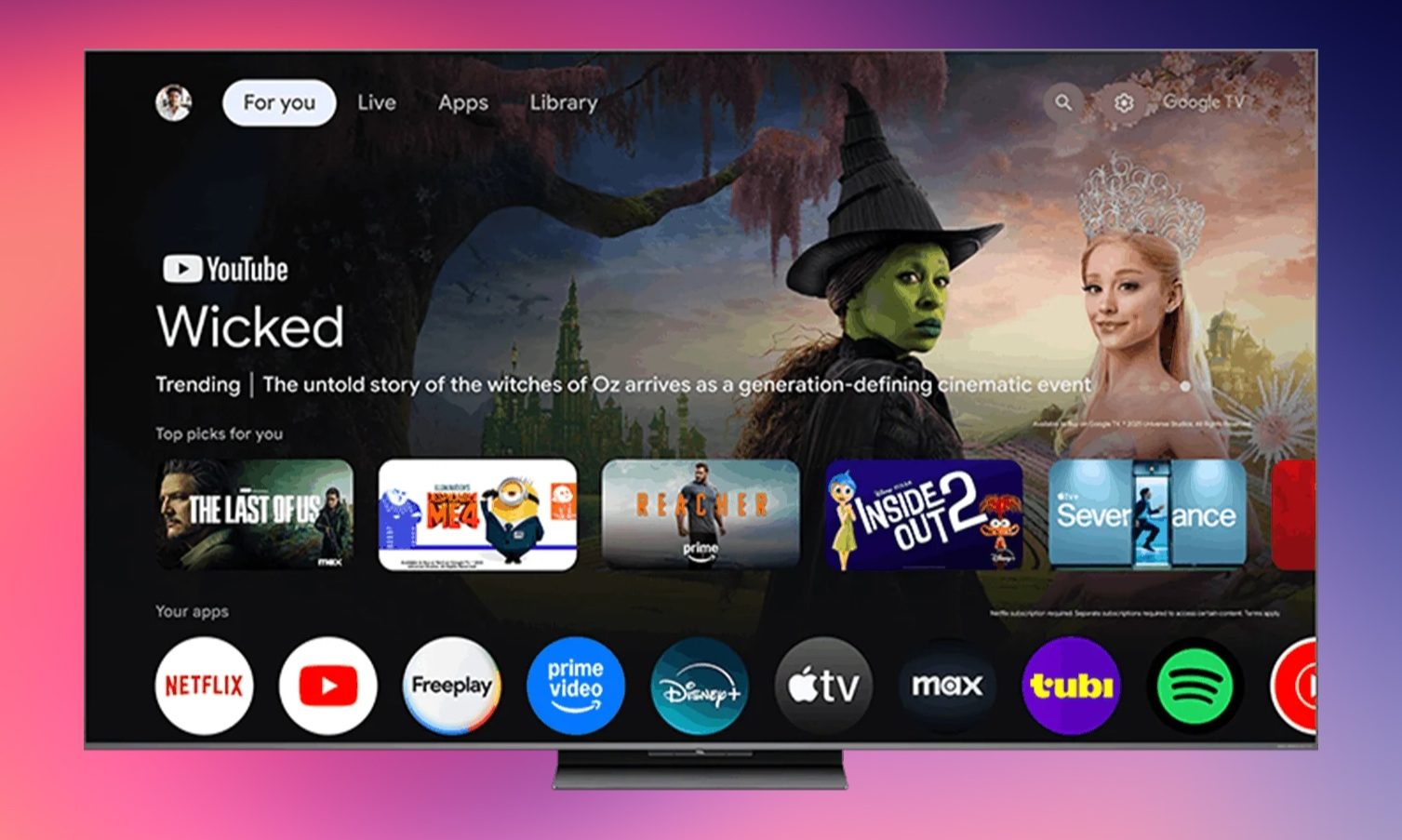
Best flagship-level QLED on a budget
TCL 75QM8L
Pros
- Incredible high peak panel brightness
- Minimal backlight blooming halo effect
- Deep black level contrast performance
- Outstanding fast input response gaming
- Full HDR format support included
Cons
- Off-angle viewing loses picture saturation
- Out-of-box color accuracy needs tuning
| Specification: | |
| Screen sizes available | 65, 75, 85, and 98 inches |
| Display type | Mini-LED (QD-mini-LED / Quantum Dot) |
| HDR support | Dolby Vision (IQ), HDR10+, HDR10, HLG |
| Operating system | Google TV |
| Connectivity | 2 x HDMI 2.1 (up to 144Hz), 2 x HDMI 2.0, Ethernet, Optical, 3.5mm AUX/AV In, 2 x USB-A |
TCL’s QM8L sits just below the brand’s X11L flagship for 2026, but it uses the same SQD-mini-LED panel technology, just with fewer dimming zones and a lower peak brightness ceiling, which is exactly the kind of trade-off that makes it the more sensible buy for most living rooms. TCL’s Ultra Color Filter uses much finer particles than a standard filter, which is why colors land as accurately as they do across a wide range of content.
The Halo Control System is TCL’s answer to blooming, the halo effect you sometimes see around bright objects on a dark background, and it’s one of its strongest traits, with next to no blooming even in high-contrast scenes. Gaming is well covered too, with four HDMI 2.1 ports, AMD FreeSync Premium Pro, and TCL’s Game Accelerator 288 VRR combining for genuinely responsive input, which is part of why it’s been called one of the better gaming TVs of the year by outlets that tested it specifically for that.
Sound comes from a built-in system tuned by Bang & Olufsen, with the option to add a wireless subwoofer and satellite speakers if you want a fuller home theater setup later. The design leans minimal, with a slim silver pedestal stand and what TCL calls a Zero Border look around the panel itself. Google TV runs the smart features here too, with Gemini built in for hands-free control, and support for the major HDR formats means it handles Dolby Vision, HDR10+, and HLG content without any gaps.
At its price, it’s hard to find another Mini-LED TV this size that gets this close to flagship performance without the flagship price tag, and that gap is exactly why the QM8L is worth watching for a sale rather than paying full price on day one.
Best budget QLED TV
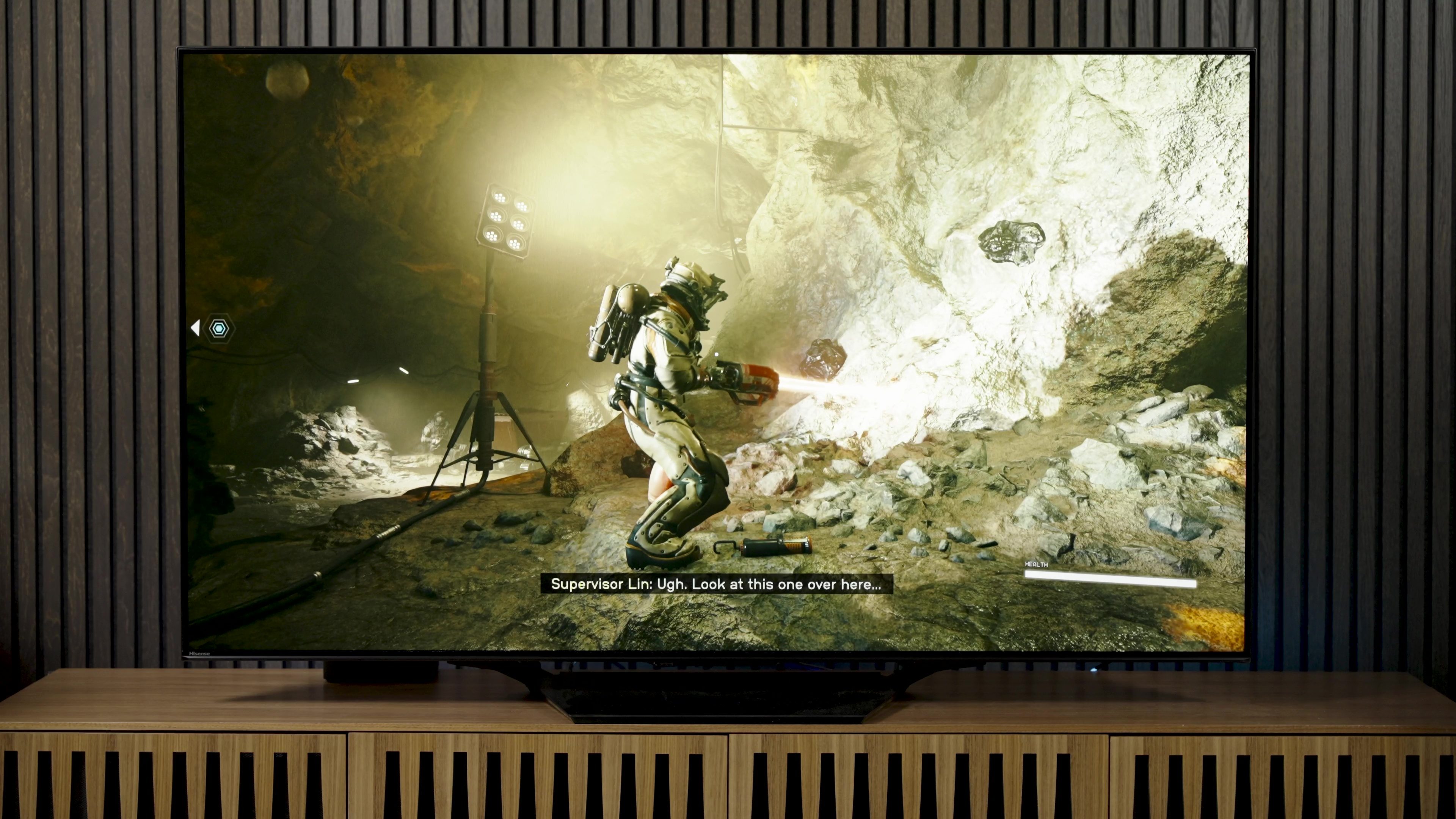
Hisense U75QG
Pros
- High brightnessr
- Great contrastr
- Vivid colorr
- Surprising accuracyr
- Great for gaming
Cons
- Poor off-angle viewingr
- Risk of dirty screen effect
| Specification: | |
| Screen sizes available | 55, 65, 75, and 85 inches |
| Display type | mini-LED |
| HDR support | Dolby Vision, HDR10+, HDR10, and HLG |
| Operating system | Google TV |
| Connectivity | 4 x HDMI 2.1, Ethernet, optical, 3.5mm analog audio out, 2 x USB-A |
The Hisense U7QG is one of the punchiest, most vibrant TVs out there at around the $1,000 price point in 2025, with all the gaming features you could ask for. It’s a phenomenal QLED TV that punches well above its weight. Rocking Hisense’s Hi-View Engine PRO CPU, the U7GC carefully optimizes whatever content you’re watching, and enhances picture quality and colors to make sure it always looks its best. No more washed out colors of greyish blacks on this TV.
Available in 55-, 65-, 75-, and 85-inch sizes, the Hisense U75QG supports 4K/165Hz and VRR. This is great news for gamers who plan on connecting PlayStation and Xbox consoles to the TV, and you’ll get the higher refresh rate support for gaming PCs, too. It also has a very fast responsive time for a QLED TV, and support for FreeSync premium pro.
Off-angle viewing is one of the only troubles with the U75QG so that the TV may work best in smaller to medium-sized viewing spaces. While it doesn’t get quite as bright or colorful as the U8GG, the Hisense U75QG is still quite the QLED to be reckoned with. At times, this TV even manages to deliver the kind of picture reserved for the best OLED TVs though its blooming around bright objects on dark backgrounds betrays its more-limited number of dimming zones compared to higher-end models.
The best Hisense QLED
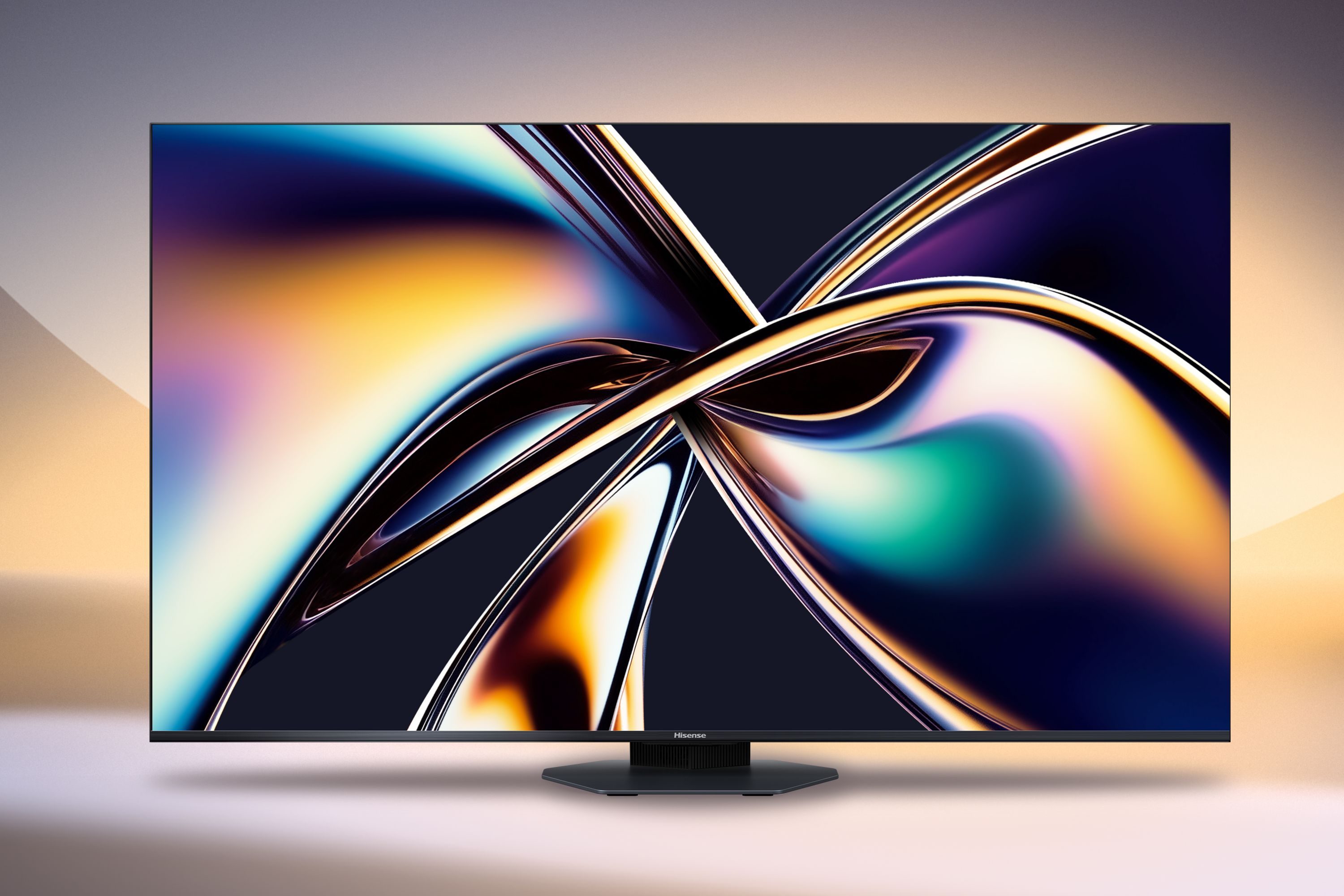
Hisense U8QG
Pros
- Exceptionally bright peak panel output
- Excellent high refresh rate gaming
- Deep contrast with minimal blooming
- Effective anti-reflective screen coating
- Broad HDR format support built-in
Cons
- Integrated subwoofer distorts low bass
- Narrow off-angle viewing angles
| Specification: | |
| Screen sizes available | 55, 65, 75, 85, and 100 inches |
| Display type | mini-LED |
| HDR support | Dolby Vision, HDR10+, HDR10, and HLG |
| Operating system | Google TV |
| Connectivity | 2 x HDMI 2.1, 4 x HDMI 2.0, Ethernet, optical, 3.5mm analog audio out, 2 x USB-A |
Hisense’s latest U8 QLED TV is the U8QG and it’s the best one yet. Last year’s U8N blew us away with its incredible brightness, contrast, and HDR performance, despite its relatively affordable price. The U8QG builds on that legacy, with a higher refresh rate for PC gaming, and better control of its many local dimming zones, so even with a high contrast scene with bright and dark elements, there’s almost no blooming whatsoever. This TV is almost OLED-like in its nuanced HDR.
Colors are super vibrant, too, with Hisense’s claimed 5,000 nits brightness punching them up to eye catching and head-turning levels. This is a TV people notice and if you have a bright room you want to watch dark content in, this TV will make sure it all looks stellar, no matter what the environment around it.
Gaming support is great with a responsive picture and limited input lag. The Google TV operating system is intuitive and responsive, too. Off angle viewing is a little weaker, as with most QLED TVs, and there’s an argument to made that TVs like this are getting a little too-bright to really make use of it, but it gives this TV such great versatility that it’s well worth considering — especially if you want to put it in a bright room.
A great QLED under $1,000
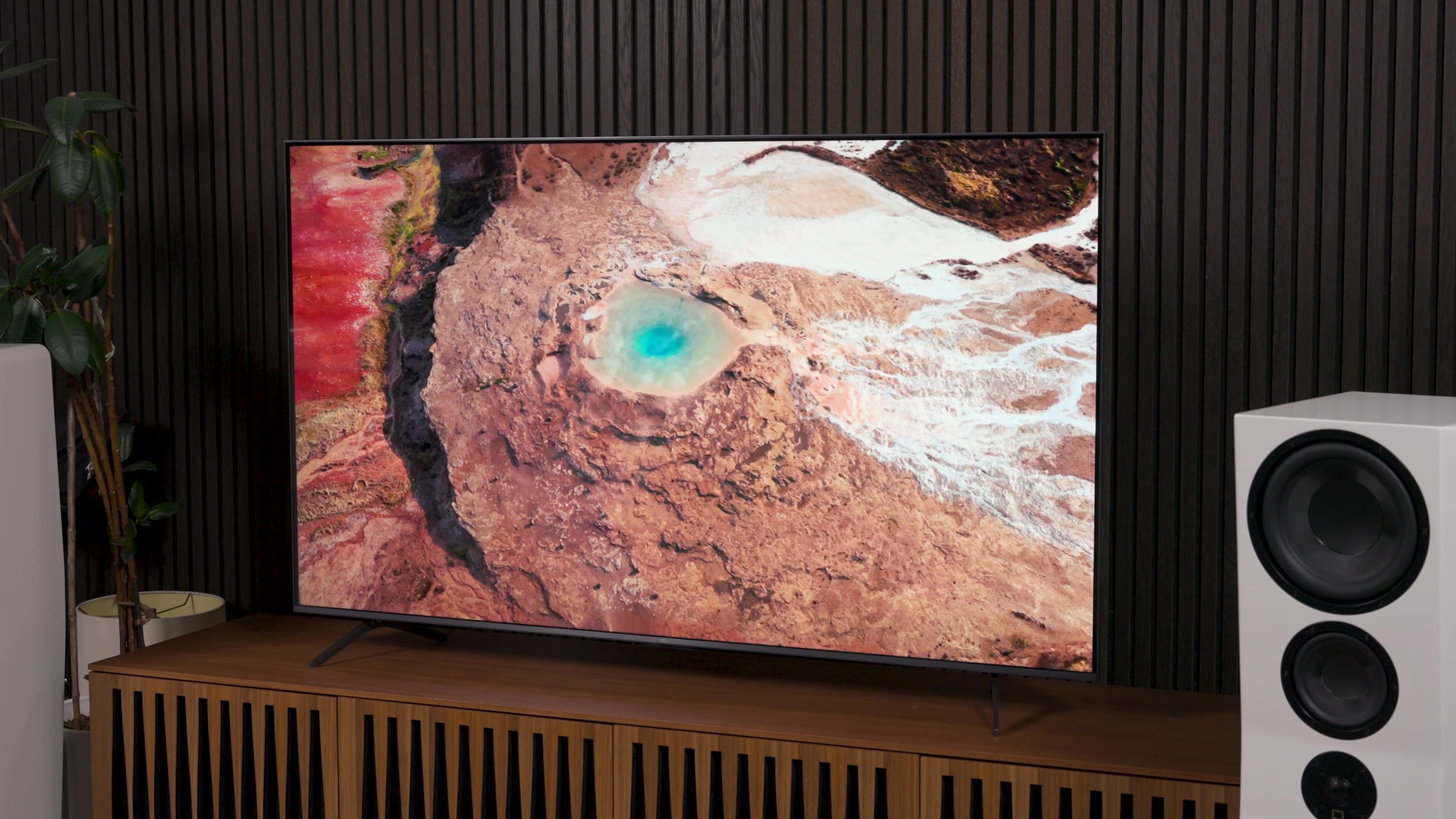
TCL QM6K
Pros
- Surprisingly good color accuracyr
- Excellent black levelsr
- Vastly improved off-angle picturer
- Feature richr
- Impressive clarity
Cons
- Underwhelming soundr
- Lacks a little sparkle
| Specification: | |
| Screen sizes available | 50, 55, 65, 75, 85, 98 inches |
| Display type | mini-LED |
| HDR support | HDR10, HDR10+, Dolby Vision, Dolby Vision Gaming, Dolby Vision IQ |
| Operating system | Google TV |
| Connectivity | 2 x HDMI 2.1, 2 x HDMI 2.0, USB-A, Ethernet, optical |
One of our first reviewed TVs of 2025, the TCL QM6K is a real sleeper hit, bringing incredible performance to the under $1,000 price point. It doesn’t quite rival the QM8 from last year, but it gets very close and has us incredibly excited for what TCL has on offer later this year.
But in the here and now, the QM6K is one of our favorite TVs, and arguably the one that everyone should buy if you have around $1,000 to spend on a TV upgrade. It offers fantastic brightness and super rich colors, impressive contrast for an LED TV, and extensive HDR support. Where LG, Samsung, and Sony don’t support all the main standard, TCL goes above and beyond and supports all the more advanced versions of Dolby Vision, too.
It’s color accuracy was one of the real standout features of this TV in our review. In his time with the TV, our TV reviewer, Caleb Denison said: “The color in SDR and HDR is outstanding. In fact, the skin tones on this TV are better than the now-$15,000 QM891G 115-inch monster TV — the color accuracy is just so dialed-in.”
Viewing angles are also much improved over previous generations of TCL TV, making this a great option if you like to have big groups of people round to watch the game or enjoy couch gaming sessions with friends.
The best TCL QLED
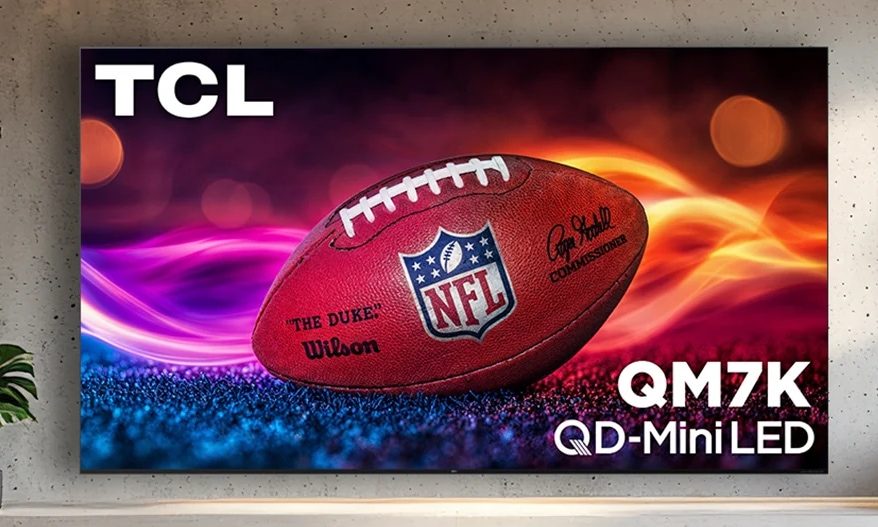
TCL QM7K
Pros
- Astonishing peak brightness levels
- Rich colors and inky blacks
- Plenty of gaming optimizations
- Competitively priced
Cons
- Not the best off-angle viewing
- Minimal light bloom during darker scenes
| Specification: | |
| Screen sizes available | 55, 65, 75, 85, and 98 inches |
| Display type | mini-LED |
| HDR support | Dolby Vision, HDR10+, HDR10, and HLG |
| Operating system | Google TV |
| Connectivity | 2 x HDMI 2.1, 4 x HDMI 2.0, Ethernet, optical, 3.5mm analog audio out, 3 x USB-A |
Alongside Hisense, TCL has really been pushing the boundaries of what’s possible with affordable QLED TVs in recent years, and while the 2025 QM6K is a fantastic option for anyone around the $1,000 price point, if you want punchier brightness, better HDR, improved contrast, and better-colors, then the QM7K is the better TV and arguably the best TCL has on sale now (until the QM8K lands later this year, that is.
The older QM8 lacks the higher HDR brightness of the newer TV, and though its colors are a little more vibrant, the contrast isn’t as strong either, making this newer TCL TV the better pick — especially at its more affordable price.
This TV delivers exceptional HDR performance, too. Supporting both Dolby Vision and HDR10+, the QM7K’s quantum dots provide astonishing highlights when watching HDR content. Two of the four HDMI ports are also 2.1 certified, ensuring you’ll get the best response time and lag reduction. This is particularly great for gaming, and the QM7K even has a built-in Game Mode with VRR support. The TV also supports 4K/144Hz and 1080p/240Hz. Consoles will still be restricted to 4K 120Hz, however.
When it comes to smart TV content, the QM7K uses Google TV OS for apps, games, screen mirroring, and smart controls. While we do wish we could say more about the QM7K’s viewing angle (this is a TV you’ll want to sit as centered with as possible), that’s not an uncommon problem with QLED TVs.
Best for videophiles on a budget
Sony Bravia 7
Pros
- Bright and vividr
- Excellent black levels/contrastr
- Extremely accurate HDR/Colorr
- Top-tier motion/upscalingr
- Easy to use
Cons
- Limited viewing angler
- Poor reflection handling
| Specification: | |
| Screen sizes available | 55, 65, 75, and 85 inches |
| Display type | mini-LED |
| HDR support | Dolby Vision, HDR10, and HLG |
| Operating system | Google TV |
| Connectivity | 2 x HDMI 2.1, 4 x HDMI 2.0, Ethernet, optical, 2 x USB-A |
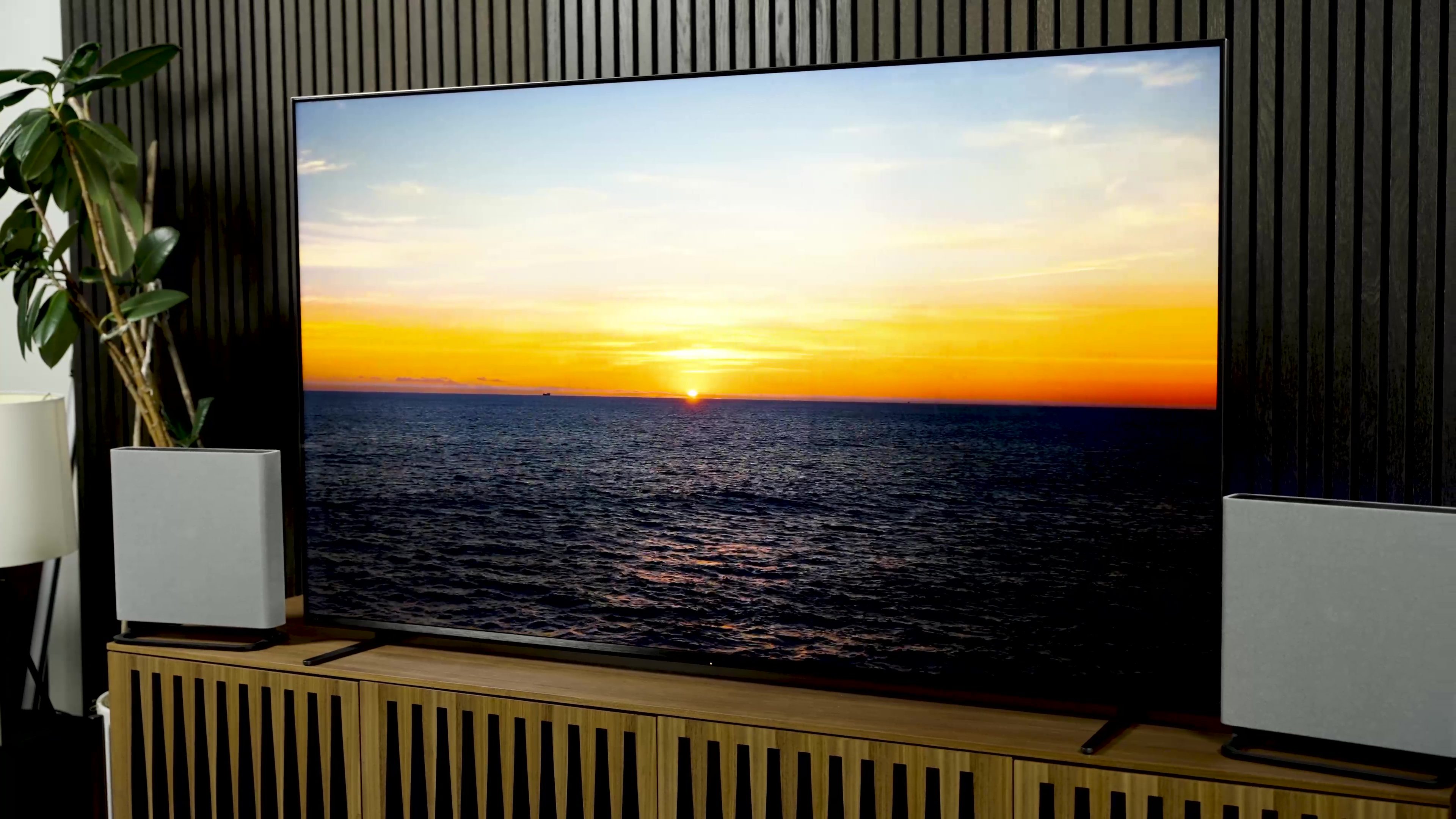
If you had hearts in your eyes for Sony’s excellent Bravia 9 at the top of our list but its hefty price tag made you a little queazy, then let us call your attention to an outstanding alternative: Sony’s midrange QLED option, the Bravia 7 Series.
Available in 55-, 65-, 75-, and 85-inch sizes, the Bravia 7 combines mini-LED backlighting and local dimming to deliver an exceptionally bright picture with fantastic contrast levels and a wide color gamut. Supporting all HDR formats, the Bravia 7 delivered incredible highlights when watching content in a dark room, but we were just as impressed by the TV’s SDR brightness. What we weren’t thrilled with was the Bravia 7’s lackluster off-angle viewing. Picture details start waning when viewing from the sides, so just make sure you’re watching as centered with the screen as possible.
Console and PC gamers will be thrilled with the Bravia 7’s gaming optimizations, too, with features like low input lag, fast response times, and 4K/120Hz output, ensuring you’ll never miss a frame of the action. And because we’re dealing with a Sony TV, when a PS5 is connected, you’ll gain access to Auto HDR Tone Mapping and Auto Genre Picture Mode.
If you’re looking for a midrange QLED that doesn’t break the bank, the Sony Bravia 7 Series is a great option. We’re also big fans of Panasonic’s North American homecoming, which brings us TVs like the Panasonic W95A QLED. It’s a unique alternative to the Bravia 7 Series that’s worth considering.
An excellent QLED for gaming
Samsung QN90F
Pros
- Vey bright picture
- Great colors and contrast
- Solid motion handling
- Excellent gaming optimizations
Cons
- No Dolby Vision or DTS support
- Not the best off-angle viewing
| Specification: | |
| Screen sizes available | 43, 50, 55, 65, 75, 85, and 98 inches |
| Display type | mini-LED |
| HDR support | HDR10+, HDR10, and HLG |
| Operating system | Tizen OS |
| Connectivity | 4 x HDMI 2.1, Ethernet, optical, 2 x USB-A |
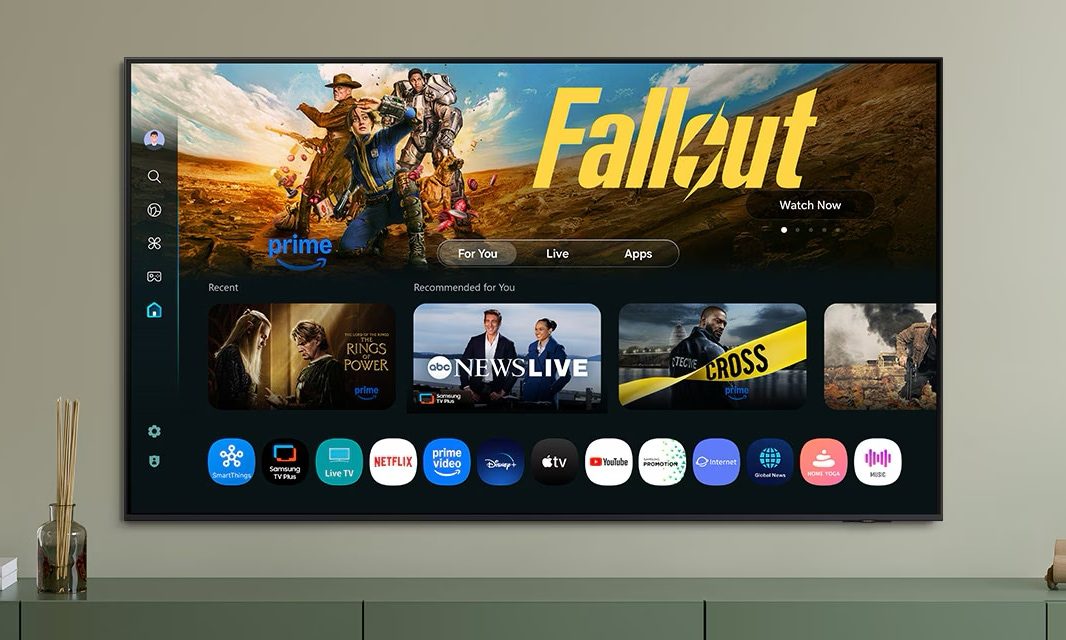
Samsung’s QN90F is one of its top-tier QLED TVs in 2025 and it comes with all the bells and whistles. This is a super bright mini-LED TV, making it one of the best picks for living room watching or gaming during the daytime. Speaking of gaming, this TV has one of the lowest input lags of any QLED TV and combined with a fast response time and high refresh rate (165Hz for gaming PCs, 120Hz for consoles), it’s one of the best QLED TVs for gaming.
Its matt screen coating might be a little divisive, but it makes this TV amazing for areas where there are external light sources like lamps or windows, helping to gived you a great quality picture you can see from any angle no matter the time of day. The viewing angles aren’t as strong as OLED, so sitting center stage for this TV is best, but it’s still great for larger gatherings and watch parties.
It has four full-speed HDMI 2.1 ports, so you can connect all your games consoles, gaming PCs, Blu-ray players, and A/V systems with the full HDMI 2.1 capabilities. It also supports VRR and its Samsung upscaling processor is excellent, helping to make lower resolution content much more crisp and clear.
Frequently asked questions
What is the difference between QLED and regular LED?
Both QLED and regular LED TVs get their light from an LED backlight, but QLED adds an extra layer made up of quantum dots, and that’s really where the magic happens. These tiny particles pump up the brightness and open up a much wider range of colors, so HDR movies and shows end up looking noticeably richer. A plain LED TV doesn’t have that layer at all, which is fine for everyday viewing, but it just can’t match QLED when you’re chasing accurate colors or fighting off glare in a sunny room.
Is QLED better than OLED for a bright room?
For a room that gets a lot of daylight, QLED is going to win out over OLED almost every time. The top QLED models can push brightness all the way up to somewhere between 2,000 and 4,000 nits, which is plenty to power through sunlight streaming in from a window. OLED still has the upper hand once the curtains are closed, thanks to its deeper blacks and richer contrast, but it starts to look a little flat next to QLED when the room is lit up.
Can QLED TVs get screen burn-in?
This is one worry you can mostly cross off your list. QLED panels are built with quantum dots that are inorganic, unlike the organic materials inside an OLED screen, and that difference means things like a frozen channel logo, a sports scoreboard, or your console’s HUD won’t burn a permanent mark into the display over time.
How long does a QLED TV last?
A QLED TV can realistically last you a decade or more. Manufacturers put the backlight’s rated life somewhere between 60,000 and 100,000 hours, which works out to well over 10 years of typical daily use before you’d notice any real drop in brightness. Since quantum dots hold up much better over time than the organic material in OLED panels, a QLED set tends to keep its color looking fresh for the long haul, making it a smart pick if you want your TV to last.
Are QLED TVs good for gaming in 2026?
QLED TVs are a genuinely great option for gamers right now. This year’s flagship sets come with refresh rates up to 144Hz, full HDMI 2.1 support, Auto Low Latency Mode, and Variable Refresh Rate baked in, so no matter if you’re plugged into a PC, PS5, or Xbox Series X, you’re getting fast response times and smooth motion without any tearing.
