


Summary
- RTX Spark announced: an AI-forward ARM superchip with a 20-core Grace CPU and Blackwell GPU that delivers up to 1 petaflop and 6,144 CUDA cores in thin laptops.
- Native Adobe apps offer hiccup-free video editing, including 90GB 3D scenes and 12K HDR video.
- First laptops with this chip will arrive this fall from Microsoft Surface, Dell, Asus, MSI, and more.
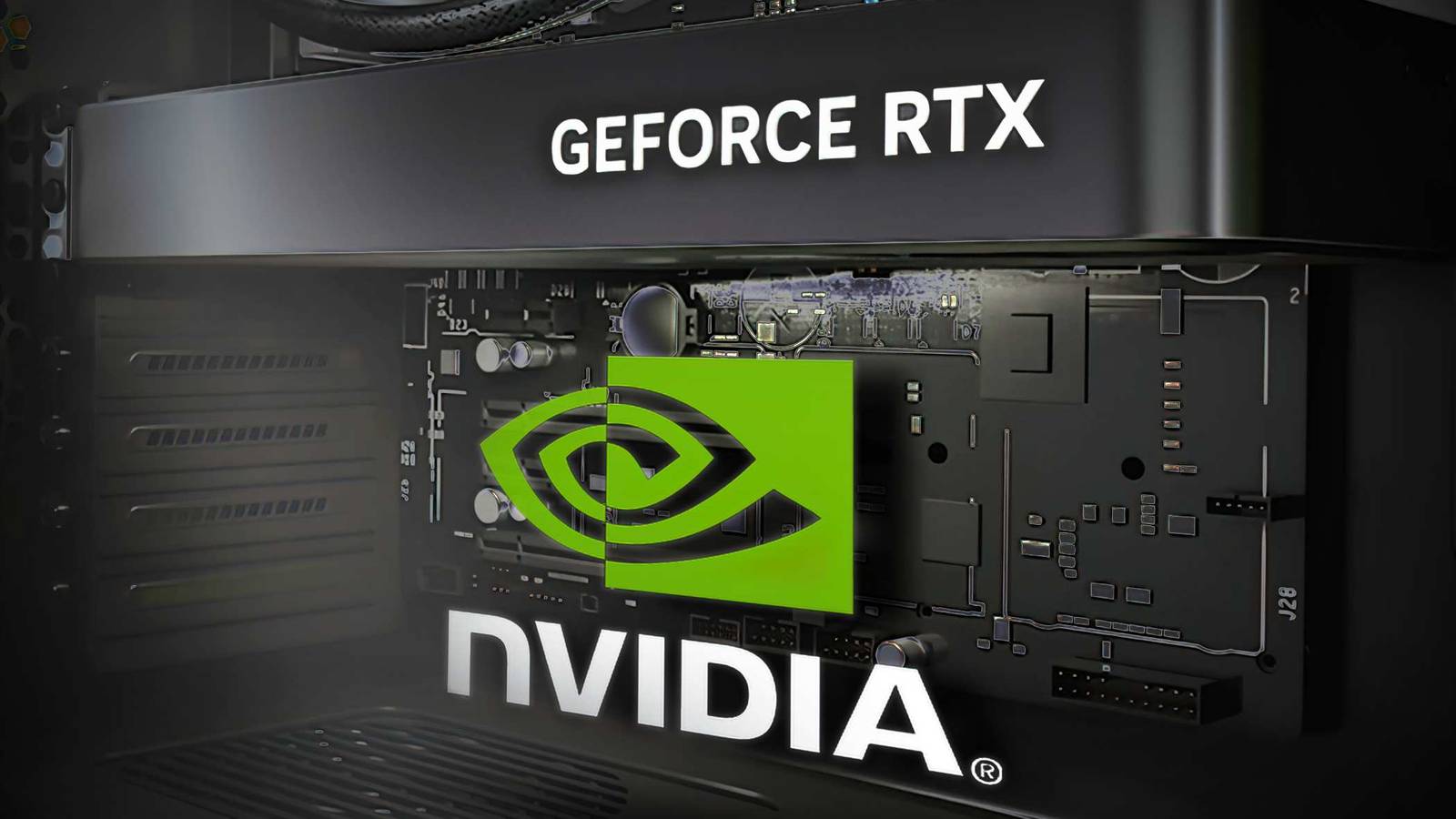
NVIDIA and Microsoft have partnered to create the RTX Spark, a new, lightweight yet powerful chipset that’s shaking up the power structure once again for next-gen computers. It’s an ARM-based superchip designed to handle heavy video and 3D workloads directly on Windows PCs, and is even said to hold its own for AAA gaming.
Like the CoPilot Plus CPUs it’s competing with, such as Qualcomm’s Snapdragon Elite X2, the platform targets high-end laptops and compact desktops with great power efficiency. It’s also said to offer enough headroom for agentic-forward AI platforms, offering enough local computing power to bypass the cloud entirely.
Qualcomm’s Snapdragon C platform could shake up the budget PC landscape
This looks like a huge move for Arm PCs
How RTX Spark supercharges content creation and gaming
One area most Windows laptops still struggle

The architecture addresses the exact bottlenecks that have historically slowed down digital creators, an area where Windows laptops without dedicated GPUs still struggle. At its core is a custom MediaTek-designed 20-core Grace CPU paired with a Blackwell RTX GPU.
That combination yields up to 1 petaflop of processing power, aided by 6,144 CUDA cores and up to 128GB of unified memory. The beauty is that you’ll get all that power in laptops as thin as 14mm and weighing around 3 pounds.
Adobe is already rebuilding Creative Cloud apps like Premiere and Photoshop to run natively on Spark. The direct integration is expected to double the processing speed of automated editing tools. For more traditional workflows, the hardware has enough raw power to render 90GB 3D scenes and edit 12K HDR video formats without stalling.
Gaming also figures to be dreamy on these devices, with NVIDIA teasing an environment where AAA games can run at resolutions up to 1440p and 100-plus frames per second with ray tracing and DLSS (up to 4.5 for now).
RTX Spark laptops could be the best for local AI
NVIDIA wants to enable AI everywhere you can tote a notebook
Raw rendering power is just part of the pitch. The RTX Spark shifts how Windows handles automated workflows by moving the processing away from external servers.
Microsoft and NVIDIA are deploying new security primitives alongside the NVIDIA OpenShell runtime to manage permissions. This setup routes tasks to local models and masks any personal information before it leaves the device. The system also has ridiculous compute headroom: it apparently can run 120-billion-parameter models natively, keeping data entirely on the machine.
Spark is said to handle 1 million token context windows without breaking a sweat, putting it in leagues with cloud-based offerings such as Google Gemini and Anthropic’s Claude. These could turn out to be the best all-in-one devices for running agentic AI models.
You can be sure Microsoft’s Surface line will be among the first to wield this new power, and Asus, Dell, HP, Lenovo, and MSI are also confirmed to be making new devices. The first wave of RTX Spark laptops arrives this fall.
