


Lithium mining is like a modern gold rush. The element is the main ingredient in batteries powering smartphones, electric cars, and even AI. Global demand is surging. Increased production could guide the world toward a more sustainable energy future.
But ironically, current extraction methods offset some of those gains. Lithium mining involves separating the element from brines using toxic chemicals, a process that also pumps out carbon dioxide. This, alongside enormous water and energy costs—due to high temperature requirements—has confined mining to a handful of countries.
To address these drawbacks, scientists at the Massachusetts Institute of Technology have now developed a low-cost, low-temperature, greener process relying on an abundant resource: Hard rock. Although rocks containing lithium cover large parts of the US, Europe, and Africa, extracting it from them is challenging.
While renovating his bathroom, study author Yet-Ming Chiang realized a chemical in glass etching cream—which makes glass translucent—could eat away at lithium-rich rocks. His team then designed a recyclable process to extract lithium as well as two ingredients used to make greener cement and other materials.
“You’ve heard of nose-to-tail eating?” said Chiang in a press release. “We refer to this as nose-to-tail mining.”
Unlike previous methods, the process runs at temperatures below the boiling point of water. All liquid chemicals are almost recyclable and can be reused in multiple rounds of extraction.
“This could establish a low-carbon alternative to hard rock refining, addressing both the surging demand for lithium and the carbon footprint that undermines the sustainability of the energy transition that lithium is meant to enable,” wrote Gang San Lee and Karthish Manthiram at the California Institute of Technology, who were not involved in the study.
A Rock and a Hard Place
The Earth’s crust teems with lithium. Getting it out is the hard part.
Currently, many mining operations rely on brine that naturally leaches lithium over millennia. Later steps purify the lithium into a battery-ready product. The process relies on large evaporation pools and is limited to a few countries, making the resource scarce.
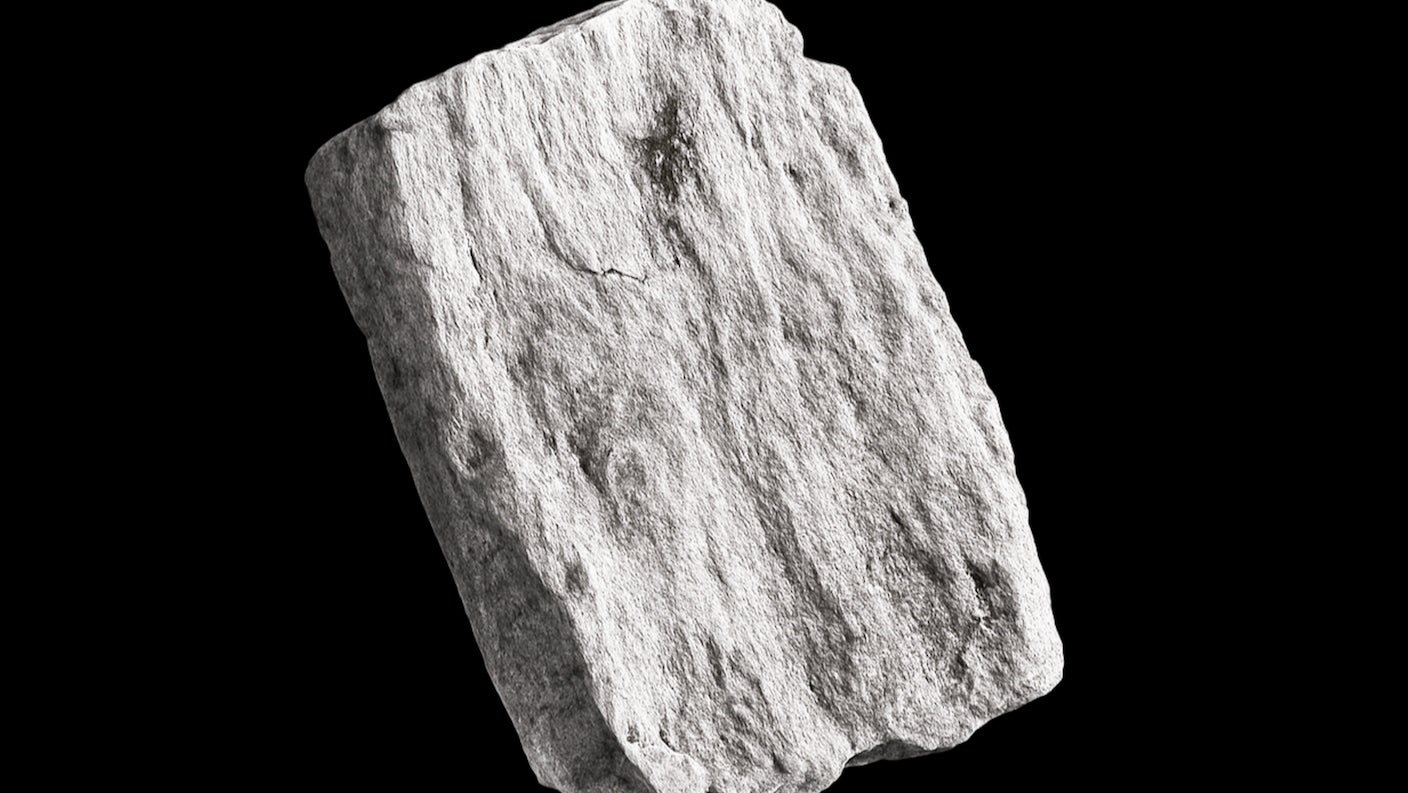
Lithium could, alternatively, be harvested from solid rocks. One ore, spodumene, is packed with lithium, roughly 1.5 percent by weight. But liberating it has been a tough nut to crack.
Traditionally, miners crush rocks and remove chunks that don’t contain lithium. The rocks are then blasted at temperatures as high as 1,100 degrees Celsius (2,012 degrees Fahrenheit) and showered in a cocktail of dangerous chemicals. The process spews liquid waste into the environment and releases 20 tons of carbon for each ton of lithium.
Researchers are working on more temperate methods.
One of these is called ball milling. Ore is rotated in a container filled with hard balls that mechanically grind the stone into a fine power. It’s like using a mortar and pestle instead of a blender. But the process takes longer, and lithium is lost along the way, resulting in lower yields. Another method, called electrochemical leaching, refines the ore at room temperature. But researchers have had mixed success with the process, and it’s tough to scale up. It also produces in a lot of waste rock that could, in theory, be harvested for other uses instead being discarded.
Triple Threat
The new method popped into Chiang’s mind as he was brainstorming ways to break apart spodumene, a lithium-rich ore with high amounts of silica—the main ingredient in glass.
Dissolving silica to get to lithium requires hydrofluoric acid, a highly toxic chemical. But glass etching cream also eats away at silica with ammonium fluoride. Tubes of the mild acid are available in home improvement stores, and it works at room temperature. Why not give it a try?
By mixing ammonium fluoride with water, the team showed they could completely dissolve spodumene at temperatures below 100 degrees Celsius without releasing toxic fumes. They only needed to continuously stir the ore in a simple plastic tank. The process yielded several types of lithium salt with 99 percent purity. In early experiments, extraction took several days, but the team has since cut the time to under 12 hours.
“Dissolving silica is the hard part in mining,” said study author Benjamin Mowbray. “The next question was how do we apply it to impactful mineral processing problems?”
Along with lithium, spodumene is jam-packed with two usually discarded ingredients: Alumina, which after smelting makes aluminum, and silica, which can be directly used as a sustainable ingredient in greener cement. The new process can separate out both materials, and the team vetted the resulting products, including strength testing cubes of fabricated cement.
“First our goal was to produce these products, then there were additional steps of characterizing their purity and properties and making sure our products met the specifications for target markets,” said Mowbray.
“If any product didn’t meet the target specs, you’d end up with a waste stream.”
With a few chemical tweaks, the team showed the acid could be regenerated and reused at least five times. The team successfully processed 17 spodumene ores sourced from around the world, suggesting the method could be broadly applicable.
They’ve also spun the work into a startup, Rock Zero, and aim to scale it. If the acid can be recycled with near-perfect efficiency, the team estimates the process would cut costs over 40 percent compared to conventional hard-rock extraction, making it competitive with brine operations.
Its simplicity could also reshape where lithium gets produced. In 2024, roughly 74 percent of global lithium output came from just three countries: China, Australia, and Chile. By eliminating the need for extreme heat and massive waste-treatment plants, the process could be easier to implement, especially in countries rich in spodumene but lacking the capital for infrastructure.
That opens the door to a network of smaller refineries built closer to the mines themselves, reducing transportation costs and supply-chain bottlenecks. Because the process is also far less energy intensive, it could be powered by solar and wind, further shrinking its environmental impact.
The technology could also be adapted to recover other valuable metals hidden inside mineral ores. One candidate is beryllium, a lightweight but extremely stiff and stable metal used in satellites and the James Webb Space Telescope’s mirrors. Current manufacturing processes often generate toxic dust and fumes linked to serious lung inflammation. A cleaner extraction route could make it safer and cheaper to produce.
As for Rock Zero, going up against established lithium giants is like David and Goliath. They’ll also have to contend with global market volatility and increasing competitiveness of sodium-ion batteries and other alternative battery chemistries.
But the team is unfazed. “We believe this approach is the lowest-energy, lowest-cost way of getting lithium not only out of hard rock, but period,” said Chiang. “That’s what’s motivating us to scale this.”
