

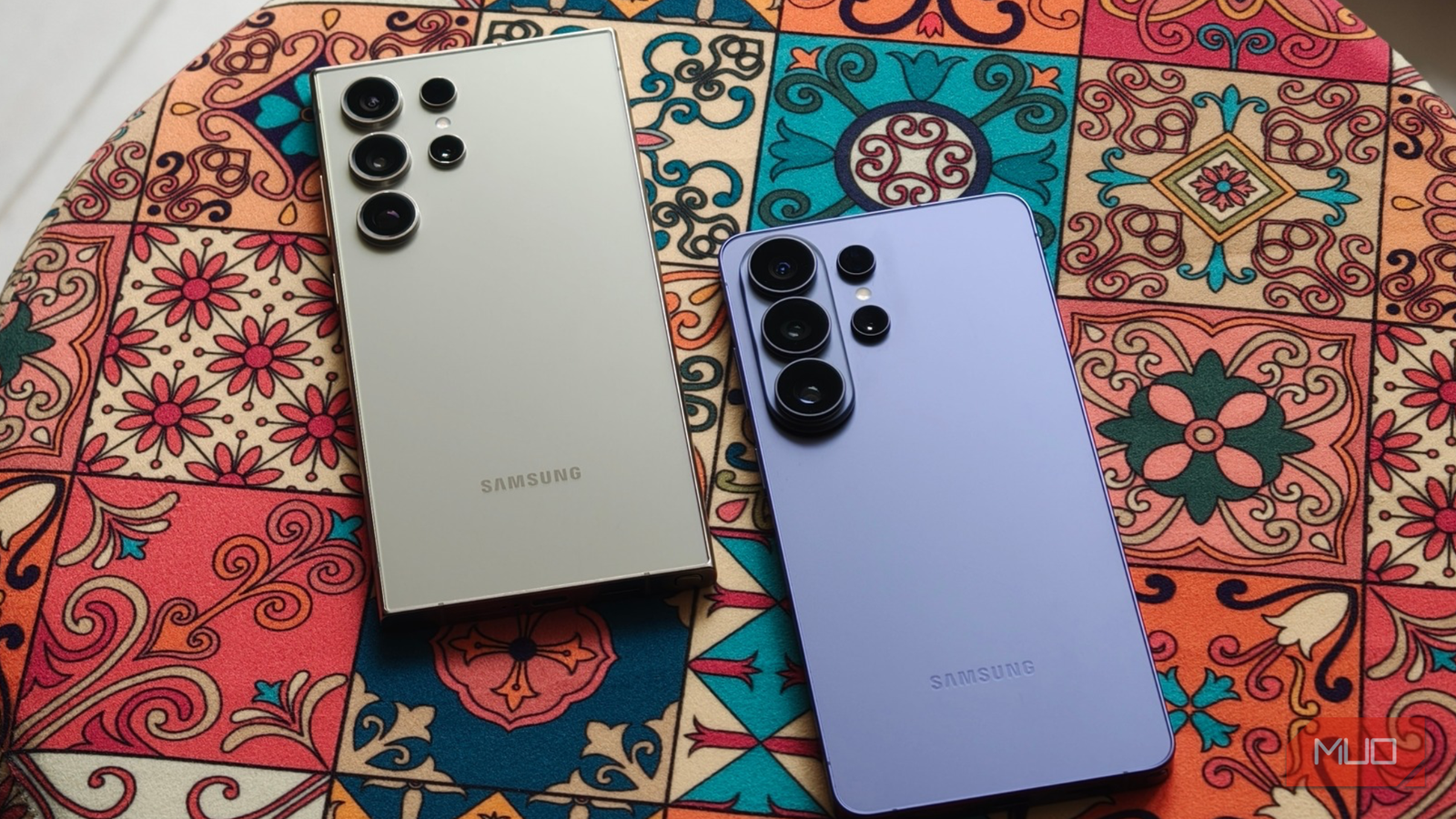

I’ve used Samsung’s Galaxy Ultra phones since the Galaxy S22 Ultra came out, so I’ve had a front-row seat to how they’ve evolved over the past five years. Having used five generations of Ultra phones, including the latest Galaxy S26 Ultra, I keep coming back to one phone: the Galaxy S24 Ultra. To me, it’s still the closest Samsung has ever come to making a true Ultra flagship. Now, I know some of you might disagree, especially given how far Samsung has come since then, but I have a few good reasons for feeling this way.
The art of feeling right at home
Too good to cover up
The first thing that draws me to the Galaxy S24 Ultra is how it feels in my hands. Something about its design is something neither the Galaxy S25 Ultra nor the Galaxy S26 Ultra has managed to replicate for me. Perhaps it’s because the S24 Ultra reminds me so much of the classic Galaxy Note phones, a design language I’ve always had a soft spot for. I’ve barely felt the need to put a case on my S24 Ultra, simply because I enjoy holding and using it as is.
Interestingly, while I find the Galaxy S26 Ultra considerably more comfortable to hold than the S25 Ultra, it still doesn’t quite do it for me. Whenever I switch to the S26 Ultra for work, I almost instinctively reach for a case. It’s a small distinction, but when you’re constantly switching between these phones, you start to appreciate it a lot more.
I completely understand that not everyone values how a phone feels in their hands as much as I do. But whether I’m responding to emails, scrolling through apps, or catching up on something before bed, my phone is almost always within arm’s reach. And if I’m going to spend several hours a day holding it, I want to enjoy doing so. It’s interesting that, despite having access to Samsung’s newer, more expensive flagships, I still feel most at home with a phone that’s nearly three years old.
The brighter side of sticking with the S24 Ultra
Privacy is great, but visibility wins
Now, a few things about the Galaxy S26 Ultra make me wish I could borrow some of its hardware and put it on my Galaxy S24 Ultra. The Privacy Display, in particular, is right at the top of that list. As someone who’s constantly catching up on conversations while out and about, I love having the option to keep what’s on my screen away from prying eyes.
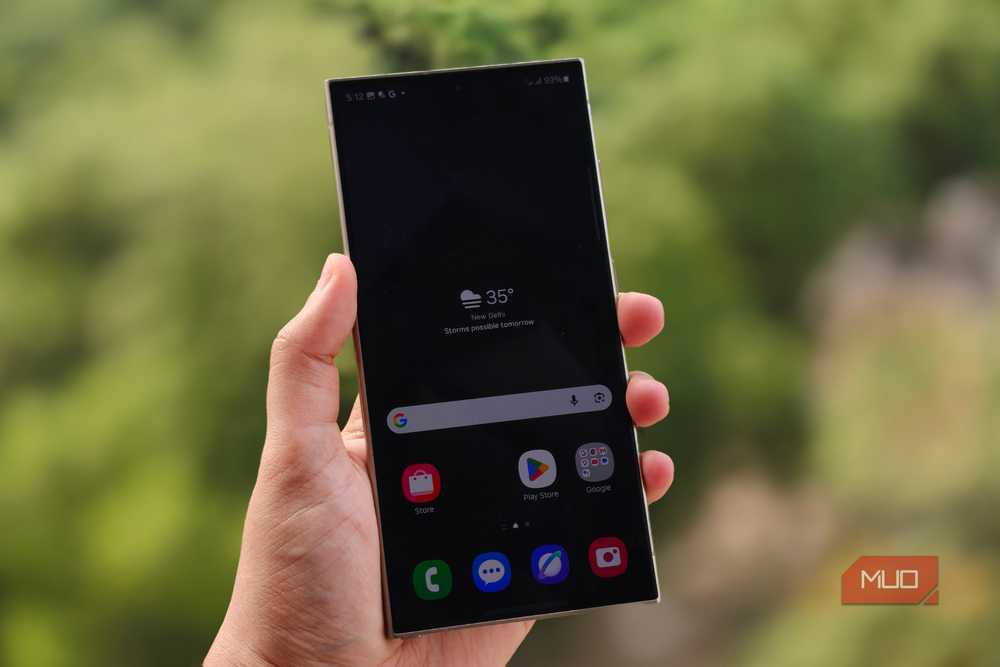
That said, switching back and forth between the two phones has made me appreciate the S24 Ultra’s anti-reflective glass even more. Whether I’m standing outdoors trying to read a text message or sitting next to a window on a sunny afternoon, I deal with fewer distracting reflections on the S24 Ultra. It’s especially noticeable under harsh sunlight, where the S24 Ultra still seems to have an edge over its newer sibling.
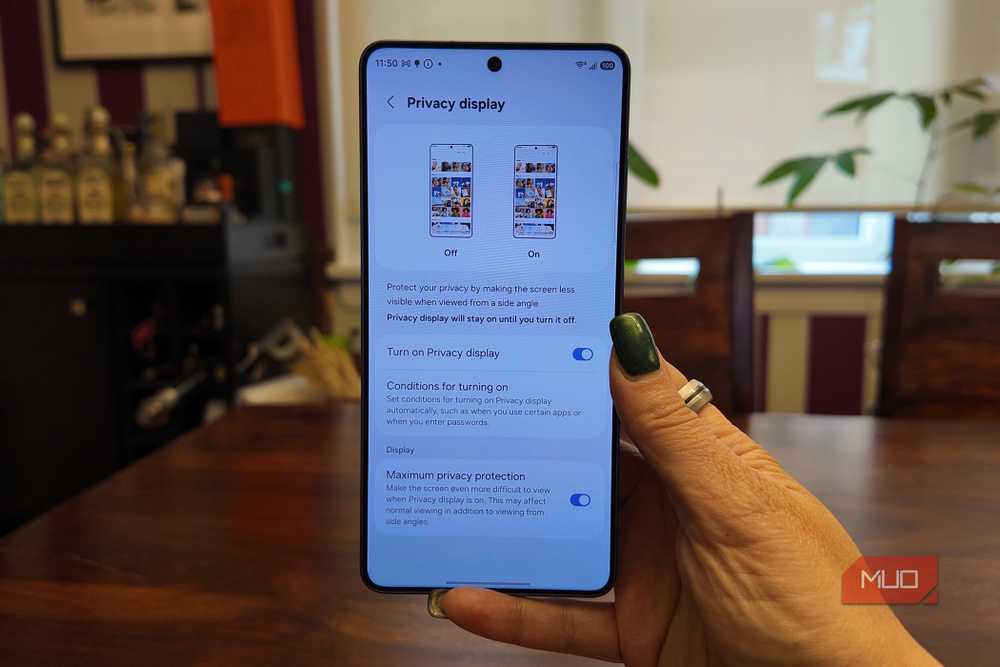
As much as I appreciate the Privacy Display on the S26 Ultra, I personally get more out of the S24 Ultra’s anti-reflective properties throughout the day. After all, I do want to read what’s on my phone comfortably without constantly tilting it to find an angle that works.
The pen that lost its magic
More than just a tool for scribbling
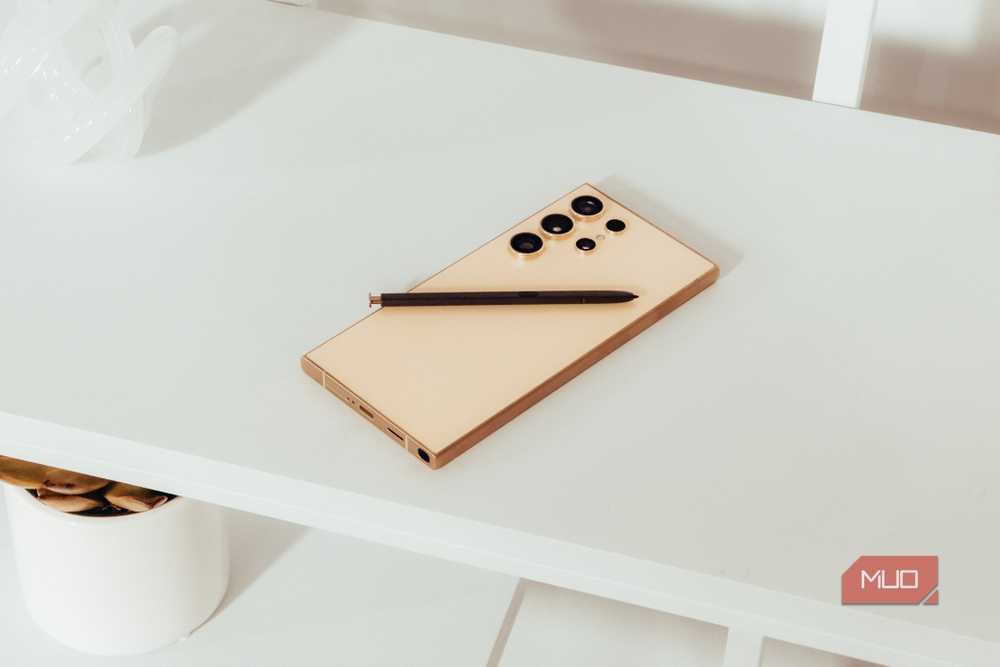
Finally, there’s the S Pen, and this is one area where I still struggle to understand Samsung’s decision to take a step backward. One of my favorite things about the S Pen on the Galaxy S24 Ultra is that it doubles as a remote camera shutter. I like the freedom to prop my phone up somewhere, step away, and take a picture whenever I’m ready. It’s handy for group photos or when nobody’s around to take a picture of me.
And while I wouldn’t necessarily use Air Actions every day, I liked knowing that the functionality was there whenever I needed it. Unfortunately, with Samsung stripping away Bluetooth connectivity from the S Pen, the experience on the Galaxy S26 Ultra feels a little less special to me. I can still jot down notes, annotate screenshots, and do most of the things I’d normally do with a stylus, but that’s precisely the point — it now feels more like a conventional stylus than the accessory that once set Samsung’s flagships apart.

I know plenty of people who rarely take the S Pen out of its slot, let alone use its Bluetooth capabilities. But what I’ve always loved about Samsung’s Ultra phones is that they offer little conveniences that I wouldn’t necessarily find on other smartphones, and having to give up some of those conveniences when moving to a newer, more expensive flagship doesn’t feel like an upgrade to me.
See you, Galaxy S27 Ultra (maybe)
Now, if I were using the Galaxy S24 Ultra and contemplating an upgrade to the Galaxy S26 Ultra, I’d probably hold off for another year. Having spent a considerable amount of time with both phones, I’ve had the opportunity to experience what Samsung has improved over the past two generations, but also what it’s left behind.
Of course, the S26 Ultra offers better performance, improved battery life, and some camera refinements, but how much of that will change the way you use your phone every day? For me, at least, those improvements aren’t substantial enough to justify giving up some of the things I’ve grown to love about the S24 Ultra.
And that’s not to say the Galaxy S26 Ultra is a bad phone by any stretch of the imagination. It’s an excellent flagship, but I find it rather disappointing that upgrading to a newer Ultra also means making a few compromises along the way. If you’re still happy with how your S24 Ultra performs, I’d recommend holding on to it and seeing what Samsung has in store for us with the Galaxy S27 Ultra.
