


No Fault of Our Own
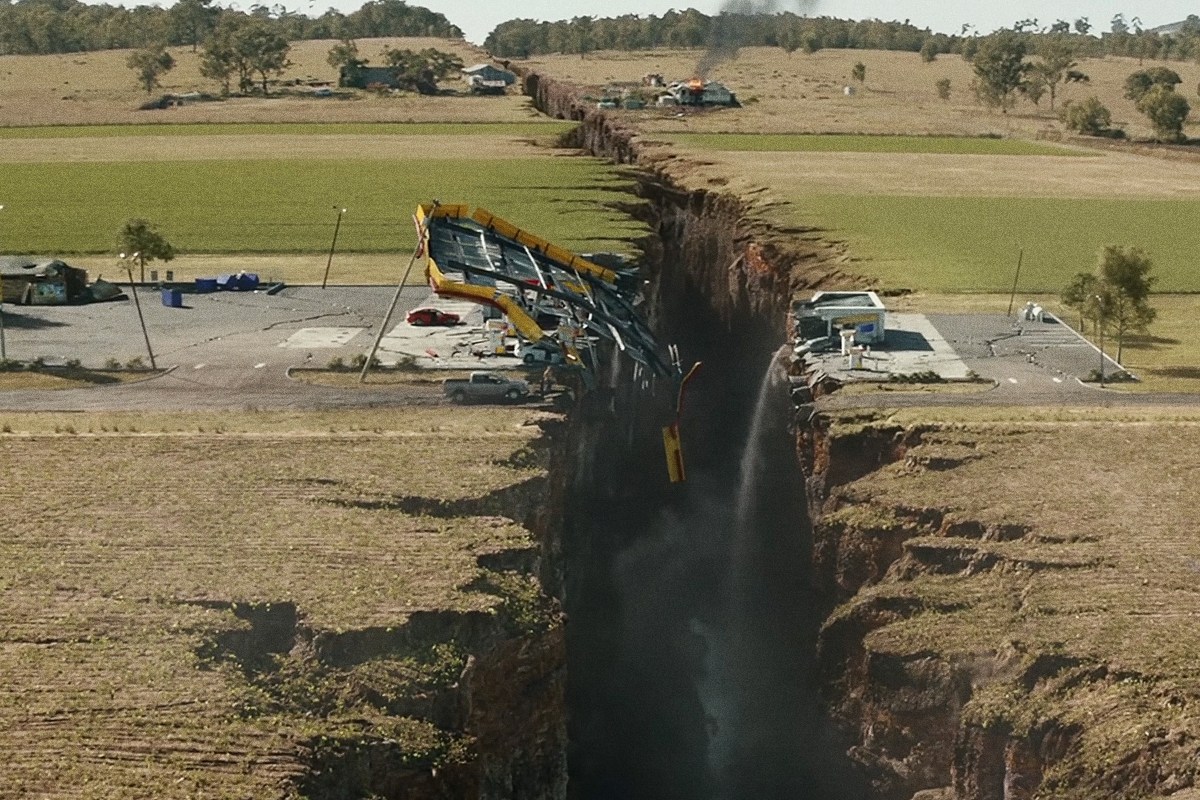
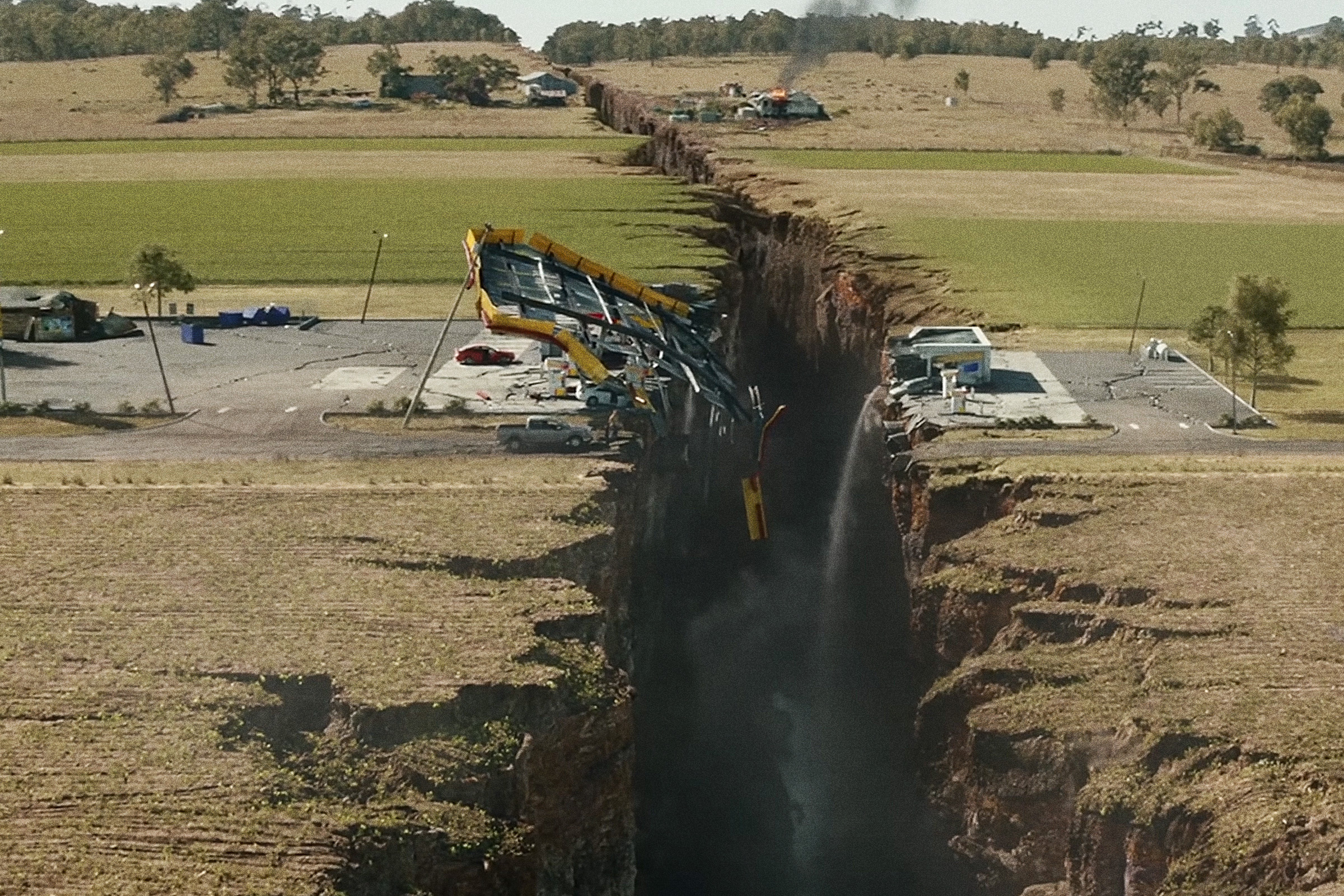
Southern California is home to two major fault lines, the San Andreas and San Jacinto, where large tectonic plates grind past each other, occasionally triggering violent earthquakes.
While smaller quakes are not uncommon in the region, powerful ones can prove devastating. For instance, the 1906 San Francisco earthquake, which occurred along the San Andreas fault, became the deadliest incident of its kind in the history of the United States, killing an estimated 3,000 people, while destroying over 80 percent of the Bay Area city.
Of course, we’re far better prepared now than we were over 100 years ago, in large part thanks to sophisticated seismic building codes and regulations designed to protect human life. But that doesn’t mean a particularly powerful earthquake wouldn’t be devastating.
And the time is ripe. According to a new paper, published in the Journal of Geophysical Research, accumulative stresses in the Earth’s crust in California are higher today than at any point over the last 1,000 years, raising concerns over the potential for a massive rupture in the Los Angeles region.
The research could help scientists better understand the specific conditions that come ahead of massive earthquakes, giving us a clearer picture of what range of potentially devastating scenarios we should be ready for. Predicting when these events will occur, however, remains next to impossible, despite scientists’ best efforts.
The densely populated LA region is home to the Cajon Pass, a “critical fault junction,” meaning that a major earthquake could cross from one fault line to the other. The international team led by University of Bern Earth sciences researcher Liliane Burkhard modeled 1,000 years of earthquake history along these fault systems. They found that tectonic stresses, measured in force per unit area, have been building up since the last 7.9 magnitude quake that shook the LA region in 1857, reaching and even exceeding the highest levels over the last millennium.
The team’s model “tracks how each earthquake changes stress on neighboring fault segments, how stress accumulates during the quiet intervals between events, and how the deeper layers of the crust slowly relax following large ruptures,” Burkhard explained in a statement. “This simulation allows us to understand how stresses in the fault system build up over centuries.”
“By running the earthquake history of Southern California as a simulation, we can estimate the extent to which the fault system is already under stress today,” she added.
The team coined a new term for the Cajon Pass, terming it an “earthquake gate” that controls whether major seismic activity is either limited to a single fault or can cross over to a neighboring one as well. The team identified that the 1857 earthquake was an example of the former, while an 1812 event was an example of the latter, rupturing across both fault systems.
Burkhardt suggests that the dynamics between the current stress levels “are approaching the range we associate with major ruptures crossing both faults simultaneously — and that is a scenario with much larger consequences for the region.”
It’s a critical finding, especially considering how densely populated the area near the Cajon Pass is. It’s also home to important road, rail, and energy infrastructure.
“The question of when and how the next major earthquake will occur in this region is one of the most pressing problems in applied geoscience,” Burkhard concluded. “Our results provide a clearer, physics-based picture of the current stress state of the fault system, and the framework we developed is not just applicable to California, but also for other complex fault junctions worldwide.”
But instead of providing a “prediction” of when such a “Big One” could occur — something that continues to be extremely difficult — Burkhard emphasized that her research instead gives a “clearer picture of the range of scenarios we should be prepared for.”
More on earthquakes: Google Has Quietly Been Detecting Earthquakes by Sensing Rumbling in Android Phones For Years
