

Close Menu

    Subscribe to Updates

    Get the latest Tech news from SynapseFlow

    What's Hot

    FortiBleed: 86,000 Fortinet Device Credentials Compromised

    June 19, 2026

    Tropical Storm Arthur – NASA Science

    June 19, 2026

    Samsung’s upcoming Galaxy Z Fold8 series tipped to be more expensive

    June 19, 2026
    Facebook X (Twitter) Instagram
    • Homepage
    • About Us
    • Contact Us
    • Privacy Policy
    Facebook X (Twitter) Instagram YouTube
    synapseflow.co.uksynapseflow.co.uk
    • AI News & Updates
    • Cybersecurity
    • Future Tech
    • Reviews
    • Software & Apps
    • Tech Gadgets
    synapseflow.co.uksynapseflow.co.uk
    Home»Future Tech»China Planning Crackdown on AI That Harms Mental Health of Users
    China Planning Crackdown on AI That Harms Mental Health of Users
    Future Tech

    China Planning Crackdown on AI That Harms Mental Health of Users

    The Tech GuyBy The Tech GuyJanuary 2, 2026No Comments3 Mins Read0 Views
    Share
    Facebook Twitter LinkedIn Pinterest Email
    Advertisement


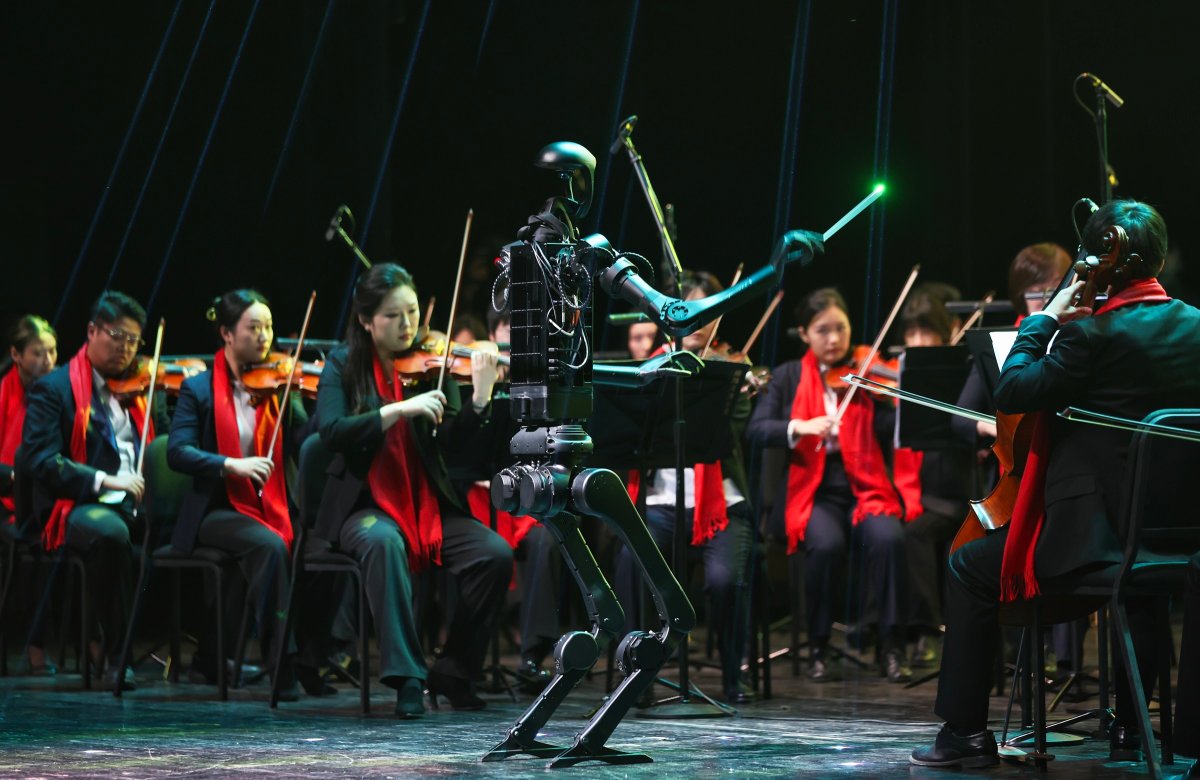
    Regulators at the Cyberspace Administration of China have proposed new laws meant to protect AI users' mental health.

    Advertisement

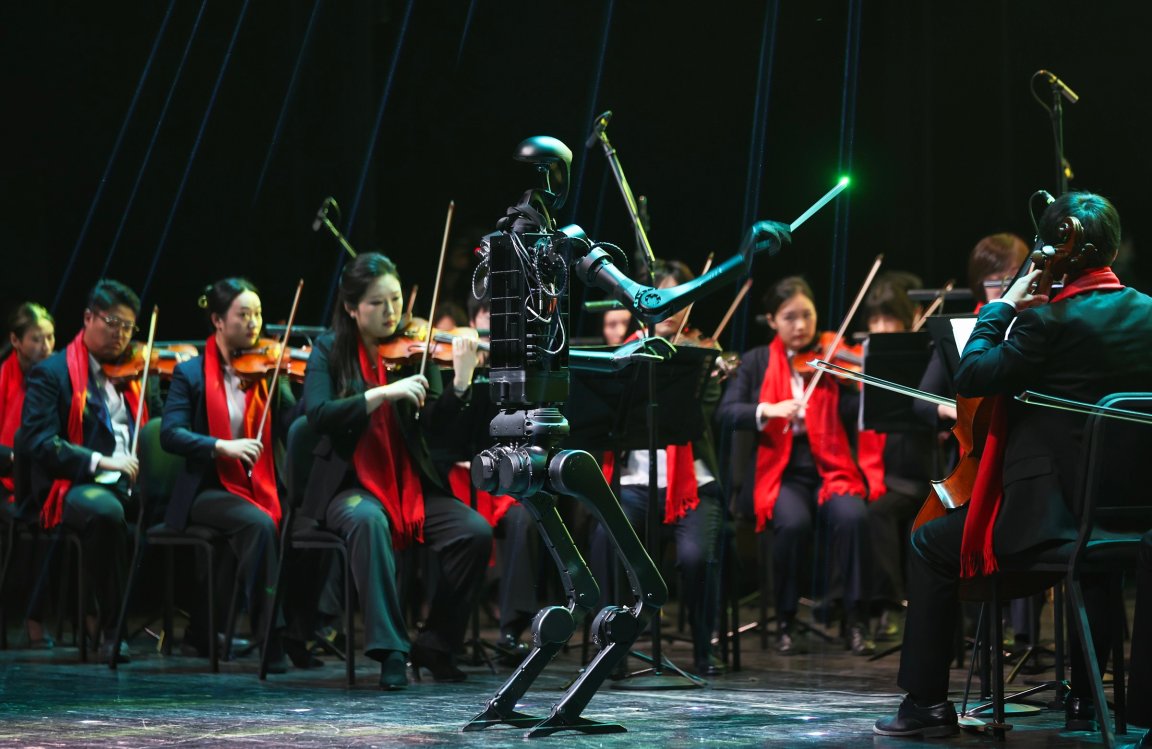
    Liu Zhankun/China News Service/VCG via Getty Images

    While many world governments seem happy to let untested AI chatbots interact with vulnerable populations, China looks to be moving in another direction.

    Recently proposed regulations from the Cyberspace Administration of China (CAC) have encouraged a firm hand when it comes to “human-like interactive AI services,” according to CNBC, which translated the document. It’s currently in a “draft for public comment,” and the implementation date is yet to be determined.

    Yet if it passes into law, the crackdown would be rigorous, building on generative AI regulations targeting misinformation and internet hygiene from earlier in November to address the mental health of AI chatbot users directly.

    Under the new rules, Chinese tech firms must ensure their AI chatbots refrain from generating content that promotes suicide, self-harm, gambling, obscenity, or violence, or from manipulating user’s emotions or engaging in “verbal violence.”

    The regulations also state that if a user specifically proposes suicide, the “tech providers must have a human take over the conversation and immediately contact the user’s guardian or a designated individual.”

    The laws also take specific steps to safeguard minors, requiring parent or guardian consent to use AI chatbots, and imposing time limits on daily use. Given that a tech company might not know the age of every given user, the CAC takes a “better safe than sorry approach,” stating that, “in cases of doubt, [platforms should] apply settings for minors, while allowing for appeals.”

    In theory, this dose of new regulations would prevent incidents in which AI chatbots — which are often built to eagerly please users — end up encouraging vulnerable people to harm themselves or others. In one recent case from late November, for example, ChatGPT encouraged a 23-year-old man to isolate from his friends and family in the weeks leading up to his tragic death from a self-inflicted gunshot wound; in another, the popular chatbot was linked to a murder-suicide.

    Winston Ma, an adjunct professor at the NYU School of Law, told CNBC that the regulations would be a world-first attempt at regulating AI’s human-like qualities. Considering previous laws, Ma explained that this document “highlights a leap from content safety to emotional safety.”

    The proposed legislation underscores the difference in how the PRC approaches AI compared to the US. As Center For Humane Technology editor Josh Lash explains, China is “optimizing for a different set of outcomes” compared to the US, chasing AI-fueled productivity gains rather than human-level artificial intelligence — a particular obsession of Silicon Valley executives.

    One of the ways China does this is by regulating its AI industry from the bottom-up, Matt Sheehan, senior fellow at the Carnegie Endowment for International Peace told CFHT.

    Though the CAC has the final word on regulations, policy ideas come first and foremost from scholars, analysts, and industry experts, Sheehan explains. “They [senior lawmakers] don’t have an opinion on what is the most viable architecture for large models going forward,” he said. “Those things originate elsewhere.”

    More on AI regulation: Trump Orders States Not to Protect Children From Predatory AI

    Advertisement
    Share. Facebook Twitter Pinterest LinkedIn Tumblr Email
    The Tech Guy
    • Website

    Related Posts

    Tropical Storm Arthur – NASA Science

    June 19, 2026

    How to Tame AI’s Voracious Appetite for Energy

    June 19, 2026

    Tension Flared on Space Station as Russia Threatened to Drill and Saw Into Wall, Prompting NASA Astronauts to Take Shelter

    June 18, 2026

    Anthropic Used Cursor Use Data to Get Ahead, So SpaceXAI Will Use Cursor to Get Ahead

    June 18, 2026

    El Niño Is Underway – NASA Science

    June 18, 2026

    Precise Gene Editing in Early Human Embryos Reignites the ‘Designer Baby’ Debate

    June 18, 2026
    Leave A Reply Cancel Reply

    Advertisement
    Top Posts

    You don’t need a NAS to self-host — I proved it with hardware from my closet

    June 7, 202672 Views

    Spotify is giving one of its best playlists a big visual upgrade to give subscribers ‘a closer connection’ to its New Music Friday curators — and I think it could be the update it’s always needed

    June 12, 202618 Views

    The iPad Air brand makes no sense – it needs a rethink

    October 12, 202516 Views
    Stay In Touch
    • Facebook
    • YouTube
    • TikTok
    • WhatsApp
    • Twitter
    • Instagram
    Advertisement
    About Us
    About Us

    SynapseFlow brings you the latest updates in Technology, AI, and Gadgets from innovations and reviews to future trends. Stay smart, stay updated with the tech world every day!

    Our Picks

    FortiBleed: 86,000 Fortinet Device Credentials Compromised

    June 19, 2026

    Tropical Storm Arthur – NASA Science

    June 19, 2026

    Samsung’s upcoming Galaxy Z Fold8 series tipped to be more expensive

    June 19, 2026
    categories
    • AI News & Updates
    • Cybersecurity
    • Future Tech
    • Reviews
    • Software & Apps
    • Tech Gadgets
    Facebook X (Twitter) Instagram Pinterest YouTube Dribbble
    • Homepage
    • About Us
    • Contact Us
    • Privacy Policy
    © 2026 SynapseFlow All Rights Reserved.

    Type above and press Enter to search. Press Esc to cancel.

    Ad Blocker Enabled!
    Ad Blocker Enabled!
    Our website is made possible by displaying online advertisements to our visitors. Please support us by disabling your Ad Blocker.