

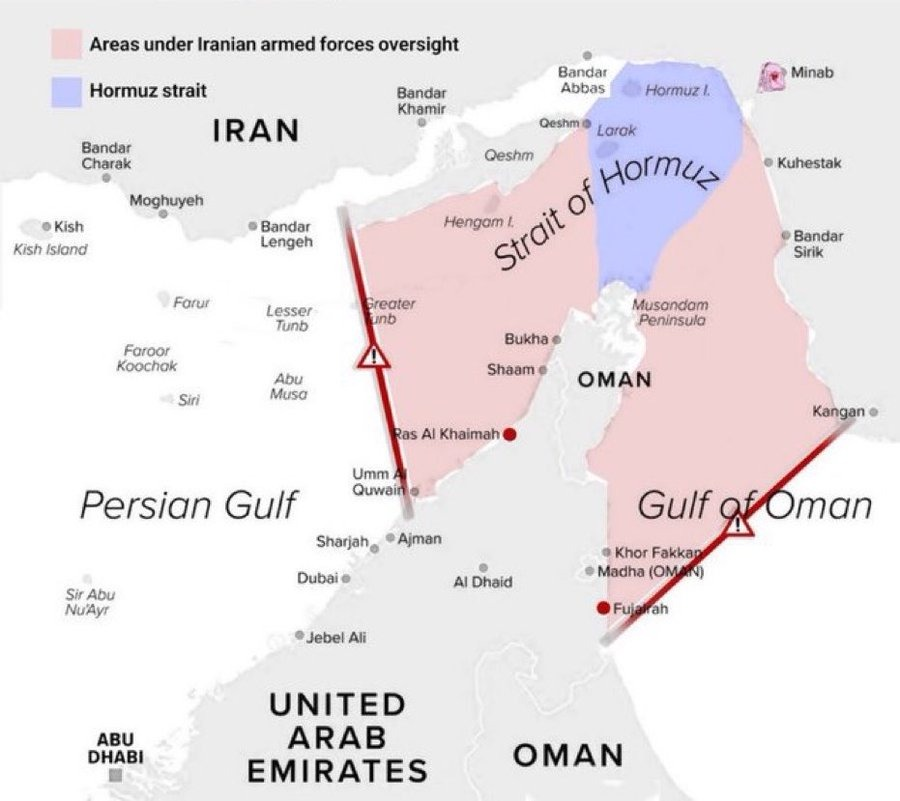

US Admiral Brad Cooper has presented a plan for another intensive 10-14 campaign to reduce Iran’s missiles.
Ship-to-ship transfers off Oman and the UAE have surged, satellite images show tankers lining up to quietly hand off crude outside the danger zone, and Bloomberg data shows volumes climbing back toward 4–7 million barrels a day for some operators.
They are using smaller 700,000 gallon tankers to shuttle oil to the larger 2 million gallon oil tankers.
The report says at least two operators are now moving volumes close to the 4-7 million barrels per day seen before the latest escalation.
Bloomberg said satellite images showed at least 7 pairs of ships conducting transfers near Sohar, the port city in northern Oman, on Thursday, up from two pairs on July 21. 4 pairs appeared large enough to involve supertankers with combined capacity of about 8 million barrels.
Scaling to 12 pairs of ships would be enough to get flow back to 20 million barrels per day when combined with the bypass pipelines.
Transfers were also observed near Fujairah, UAE.
Hormuz flows remain below the roughly 20 million barrels per day carried before the war, and many shipowners remain reluctant to enter the strait.
New security systems (counter-drone interceptors, unmanned surface vessels, undersea vehicles, and layered sensors) can enable higher-volume, faster oil shuttling by protecting operations in the high-threat zone while keeping large VLCCs largely outside it. This is a classic lightering / ship-to-ship (STS) contingency approach that has been used or contemplated in Gulf disruptions. It does not require inventing entirely new tanker classes overnight, but it does leverage existing fleets plus targeted improvements and protection to raise throughput.
Big tankers stay out of the danger zone
VLCCs (Very Large Crude Carriers, typically ~2 million barrels capacity) wait in relatively safer waters east of the Strait (Gulf of Oman or designated holding areas).
Smaller or mid-sized shuttle / lightering tankers (Aframax ~0.7–0.8 million barrels, Suezmax ~1 million barrels, or specialized shuttle designs) load at Gulf terminals or via STS inside the Persian Gulf, then transit the higher-risk stretches of the Strait or approaches and transfer their cargo to the waiting VLCCs via ship-to-ship operations.
This minimizes exposure of the most valuable, hardest-to-replace tonnage while still moving oil out.
This pattern has appeared in previous Hormuz stress periods and in other chokepoint contingencies. Security improvements make more frequent, parallel, and continuous shuttle runs viable.
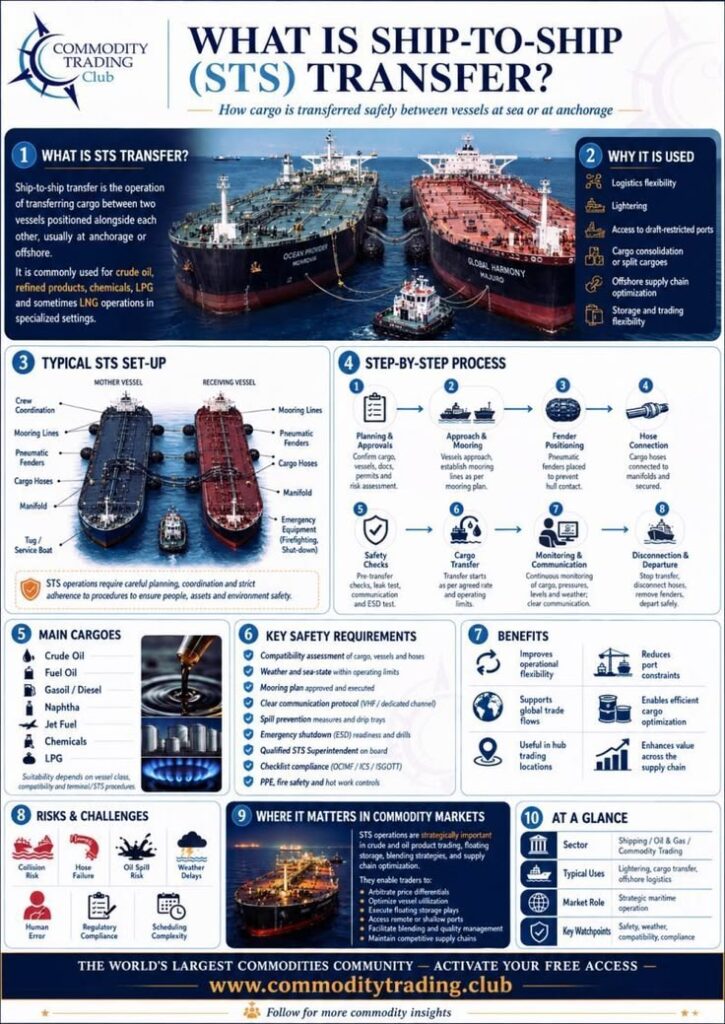
Improving transfer speed and robustness
Standard STS/lightering already achieves substantial rates, and these can be pushed higher. Typical modern tanker cargo pumps handle on the order of 15,000–35,000+ barrels per hour per pump. Multi-pump setups commonly reach 50,000–100,000+ bbl/hour under good conditions. A full 1–2 million barrel transfer can therefore take roughly 20–40 hours (sometimes less with optimized setups), plus approach, mooring, hose connection, and safety checks.
Faster transfers with higher-capacity pumps, better fendering and hose systems, dynamic positioning (DP) for precise station-keeping in currents or moderate seas, and improved cargo-handling automation reduce cycle time. Existing vessels can often be optimized; new or converted shuttles can be specified with higher pump rates and faster connection gear.
More robust shuttling ships. Designs emphasizing higher speed (for quicker transit of the threat zone), reinforced structures, better self-defense (or integration with escort USVs/drones), redundant systems, and improved seakeeping allow operations in more weather windows and with greater confidence. These do not have to be brand-new purpose-built ships immediately — the global fleet of mid-sized tankers can be mobilized and partially upgraded, while longer-term newbuilds or conversions follow.
Potential to double or triple shuttling volumes
Yes, in principle, meaningful increases (including doubling or better in a protected corridor) are realistic.
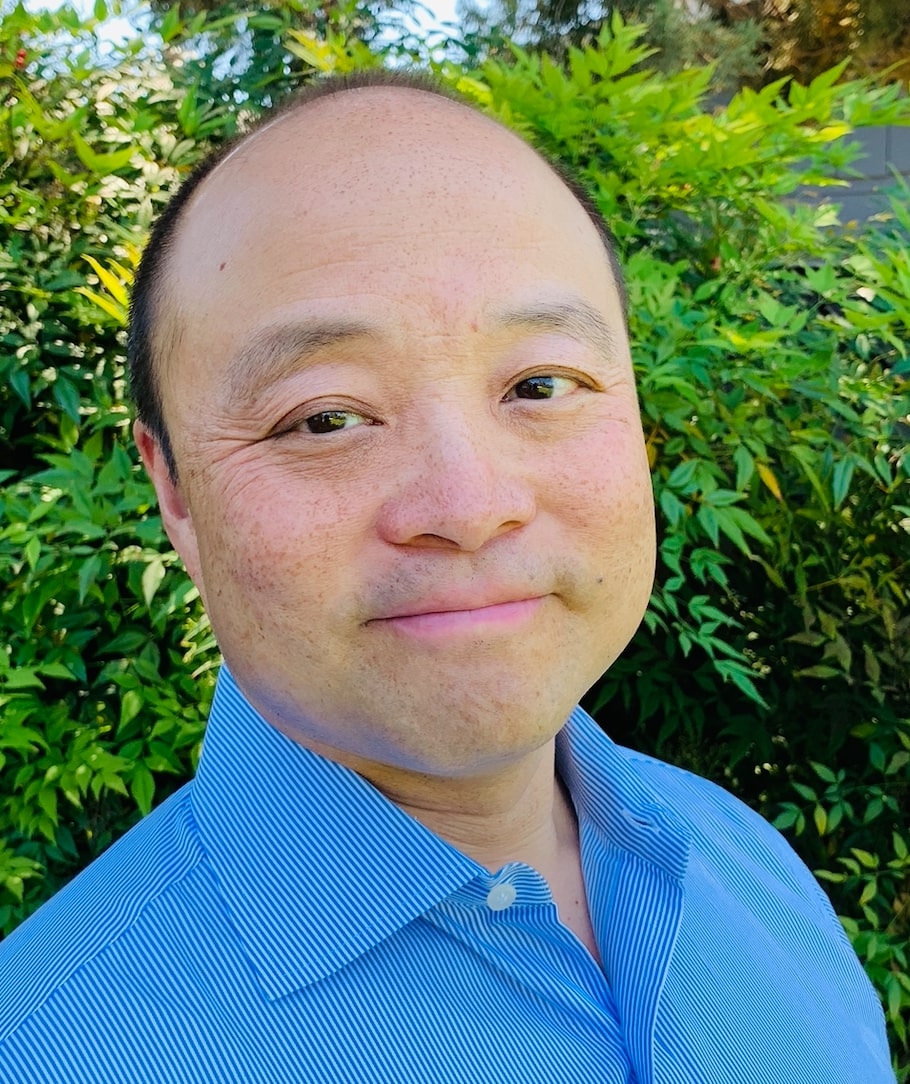
Brian Wang is a Futurist Thought Leader and a popular Science blogger with 1 million readers per month. His blog Nextbigfuture.com is ranked #1 Science News Blog. It covers many disruptive technology and trends including Space, Robotics, Artificial Intelligence, Medicine, Anti-aging Biotechnology, and Nanotechnology.
Known for identifying cutting edge technologies, he is currently a Co-Founder of a startup and fundraiser for high potential early-stage companies. He is the Head of Research for Allocations for deep technology investments and an Angel Investor at Space Angels.
A frequent speaker at corporations, he has been a TEDx speaker, a Singularity University speaker and guest at numerous interviews for radio and podcasts. He is open to public speaking and advising engagements.
