

Close Menu

    Subscribe to Updates

    Get the latest Tech news from SynapseFlow

    What's Hot

    Passkeys Are Better Than Passwords. But They Are Not Enough.

    October 31, 2026

    AI May Quickly Generate Ideas—but Teams of People Are Still More Creative

    October 31, 2026

    Samsung Galaxy Fit4 leaks, key features revealed

    October 31, 2026
    Facebook X (Twitter) Instagram
    • Homepage
    • About Us
    • Contact Us
    • Privacy Policy
    Facebook X (Twitter) Instagram YouTube
    synapseflow.co.uksynapseflow.co.uk
    • AI News & Updates
    • Cybersecurity
    • Future Tech
    • Reviews
    • Software & Apps
    • Tech Gadgets
    synapseflow.co.uksynapseflow.co.uk
    Home»Future Tech»Researchers Alarmed as GPS Readings Suddenly Veer Off by 33 Feet, Enough to Crash Self-Driving Cars
    Researchers Alarmed as GPS Readings Suddenly Veer Off by 33 Feet, Enough to Crash Self-Driving Cars
    Future Tech

    Researchers Alarmed as GPS Readings Suddenly Veer Off by 33 Feet, Enough to Crash Self-Driving Cars

    The Tech GuyBy The Tech GuySeptember 2, 2026No Comments3 Mins Read0 Views
    Share
    Facebook Twitter LinkedIn Pinterest Email
    Advertisement


    Sign up to see the future, today

    Can’t-miss innovations from the bleeding edge of science and tech

    Advertisement

    In November of last year, scientists warned of a “severe” solar storm, the strongest in over two decades, colliding with the Earth.

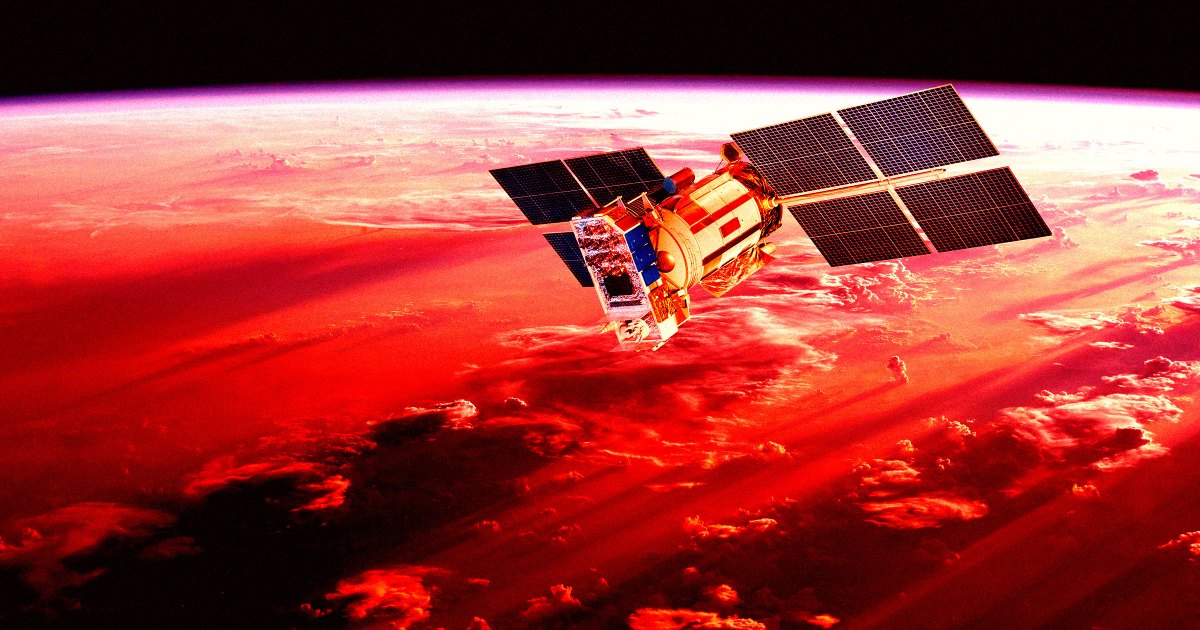
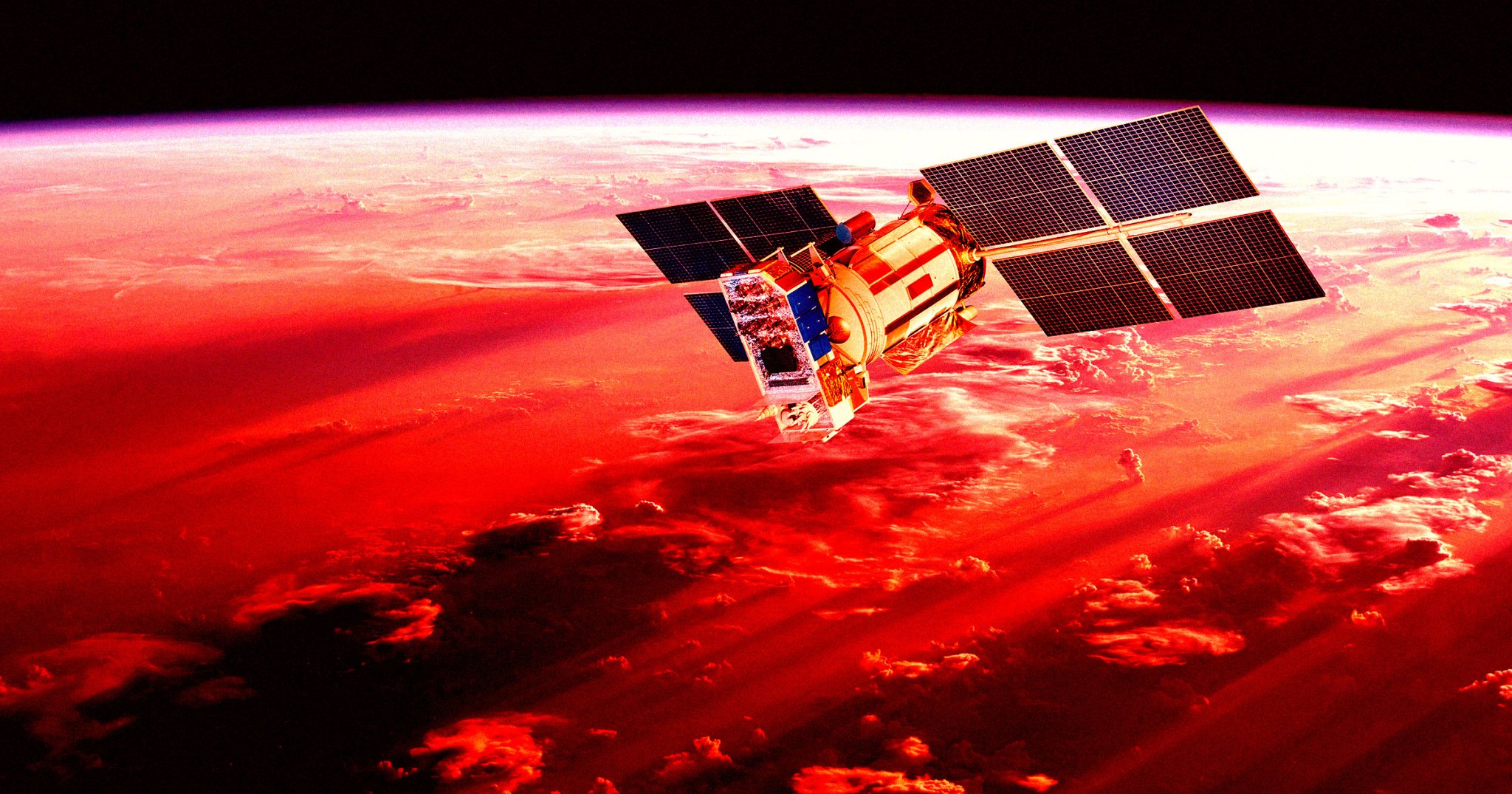
    Solar storms are the result of a surge in solar activity, with the Sun unleashing a barrage of charged particles that can trigger spectacular auroras — and wreak havoc with communications satellites and radio signals — when they reach the Earth’s magnetosphere.

    Beyond being ferocious enough to delay the launch of a Mars-bound NASA spacecraft, the storm wreaked absolute havoc with GPS systems back on the ground for hours at a time. As detailed in a new paper published in the journal Geophysical Research Letters, a team of scientists found that global navigation satellite systems experienced “significant positioning errors” of over 33 feet during the superstorm, “large enough to disrupt precision agriculture and autonomous transportation industries” across the continental United States.

    That’s enough risk to warrant a careful study on these types of events can impact human activity on Earth.

    “The results underscore the importance of accurate understanding of various space weather phenomena to enhance our predictive capabilities through coordinated observations and physics‐based modeling and ultimately reducing disruptions to RF applications during space weather events,” the paper reads.

    The researchers analyzed observations from several scientific instruments spread out across the US to watch the chaos unfold last November. The Aurora Oval, a ring-shaped area of pronounced activity around the Earth’s geomagnetic north pole where auroras conventionally occur, was pushed south toward the equator. This triggered a “horizontally extended band of intense density gradients” in the upper atmosphere, causing fluctuations in how long signals take to travel through it.

    The result: “significant positioning errors at mid-latitudes,” the researchers noted.

    The researchers also found that as the auroras became brighter, the observed irregularities became more intense, deteriorating GPS accuracy accordingly.

    Fortunately, while farming equipment like GPS-equipped tractors would’ve likely been affected, the November storm occurred long after the farming season concluded.

    However, that wasn’t the case for the May 2024 superstorm, which scientists estimate cost farmers half a billion dollars in damages.

    “Had the November superstorm occurred during the farming season in the American sector, it could have caused significant economic losses for the American farming industry, in addition to affecting the autonomous transportation industry,” the paper reads.

    More on the solar storm: Scientists Say the Largest Solar Storm in Two Decades Is About to Blast Earth

    Advertisement
    Share. Facebook Twitter Pinterest LinkedIn Tumblr Email
    The Tech Guy
    • Website

    Related Posts

    AI May Quickly Generate Ideas—but Teams of People Are Still More Creative

    October 31, 2026

    Tech Leaders Kiss the Ring and Refuse to Call It “AI” After Trump Told Them Not to

    October 31, 2026

    Binance Hacked for $5.8B, Binance Says User Funds Are Safe – NextBigFuture.com

    October 30, 2026

    November’s Night Sky Notes: Light-Day Away

    October 30, 2026

    CRISPR Prime Editing Rewrites DNA in the Human Body for the First Time

    October 30, 2026

    Netflix Turns Horrific Social Experiment Into Reality TV Show

    October 30, 2026
    Leave A Reply Cancel Reply

    Advertisement
    Top Posts

    You don’t need a NAS to self-host — I proved it with hardware from my closet

    June 7, 2026394 Views

    Spotify is giving one of its best playlists a big visual upgrade to give subscribers ‘a closer connection’ to its New Music Friday curators — and I think it could be the update it’s always needed

    June 12, 2026211 Views

    The iPad Air brand makes no sense – it needs a rethink

    October 12, 202518 Views
    Stay In Touch
    • Facebook
    • YouTube
    • TikTok
    • WhatsApp
    • Twitter
    • Instagram
    Advertisement
    About Us
    About Us

    SynapseFlow brings you the latest updates in Technology, AI, and Gadgets from innovations and reviews to future trends. Stay smart, stay updated with the tech world every day!

    Our Picks

    Passkeys Are Better Than Passwords. But They Are Not Enough.

    October 31, 2026

    AI May Quickly Generate Ideas—but Teams of People Are Still More Creative

    October 31, 2026

    Samsung Galaxy Fit4 leaks, key features revealed

    October 31, 2026
    categories
    • AI News & Updates
    • Cybersecurity
    • Future Tech
    • Reviews
    • Software & Apps
    • Tech Gadgets
    Facebook X (Twitter) Instagram Pinterest YouTube Dribbble
    • Homepage
    • About Us
    • Contact Us
    • Privacy Policy
    © 2026 SynapseFlow All Rights Reserved.

    Type above and press Enter to search. Press Esc to cancel.

    Ad Blocker Enabled!
    Ad Blocker Enabled!
    Our website is made possible by displaying online advertisements to our visitors. Please support us by disabling your Ad Blocker.