


SpaceX already lifts about 85% of everything humanity puts in orbit — roughly 2,400 tons a year versus a few hundred for the rest of Earth combined, including China. The next Starship flights start stacking V3 satellites that add on the order of 20 Falcon 9 Starlink missions of capacity per launch. Starbase Louisiana is ~100× the Texas campus and triples Starship pads. If Starship reaches even 1,000 flights a year, SpaceX isn’t competing in space. It is Earth’s mass-to-orbit system — on the order of 99% of payload — while Terafab feeds the chips for AI both on the ground and in orbit.
Some people like to talk about competitors to SpaceX in Space. The level of domination that SpaceX has and will have is beyond any transportation or manufacturing domination in history.
As hard as it has been to get Starship working. The next Starship launch will put working next generation V3 satellites into orbit. This will increase the pace of new communication capacity. They will add 8% more communication capacity with one launch. Seven Starship launches would be more than 160 Falcon 9 Starlink launches. Even with only the reuse of the super heavy booster which have already been caught three times, SpaceX will still be able to launch Starship once or twice per week in 2027. The Starship has been recovered once… even without a launch tower catch.
SpaceX is building a new Starbase on 100 times more land and it will triple the current number of active launch towers for Starship.
Getting to 1000 launches per year with Ten times more payload from each Starship would be 200,000 tons per year. The rest of the world will be at about 1000 tons. SpaceX will be launching 99.5% of all payload in about 2029.
~10,000 tons in 2027, 94%
~40,000 tons in 2028, 98%
SpaceX is making the Terafab as well to make more chips for AI data centers on Earth and in Space. By 2027, SpaceX will be bringing the future of Space 15X times more than if they did not exist and they will 50X more than if they did not exist.
History has seen 90% share companies in oil, phones, PCs, and AI chips. It has a ~100% company in EUV machines. It has not had domination of a major segment of transportation. If that arrives, the precedent is closer to ASML than to Standard Oil — a bottleneck monopoly on a layer everyone else has to pass through — except the layer is physical access to space.
Peak British shipping power was ~35% of all tons, ~50–60% of all steam ship tonnage for a time.
Peak U.S. shipping power was ~65% of world tonnage, in 1945, the dominant navy.
Peak China today is ~15% of owned DWT, ~20% with Hong Kong, ~55–70% of shipbuilding.
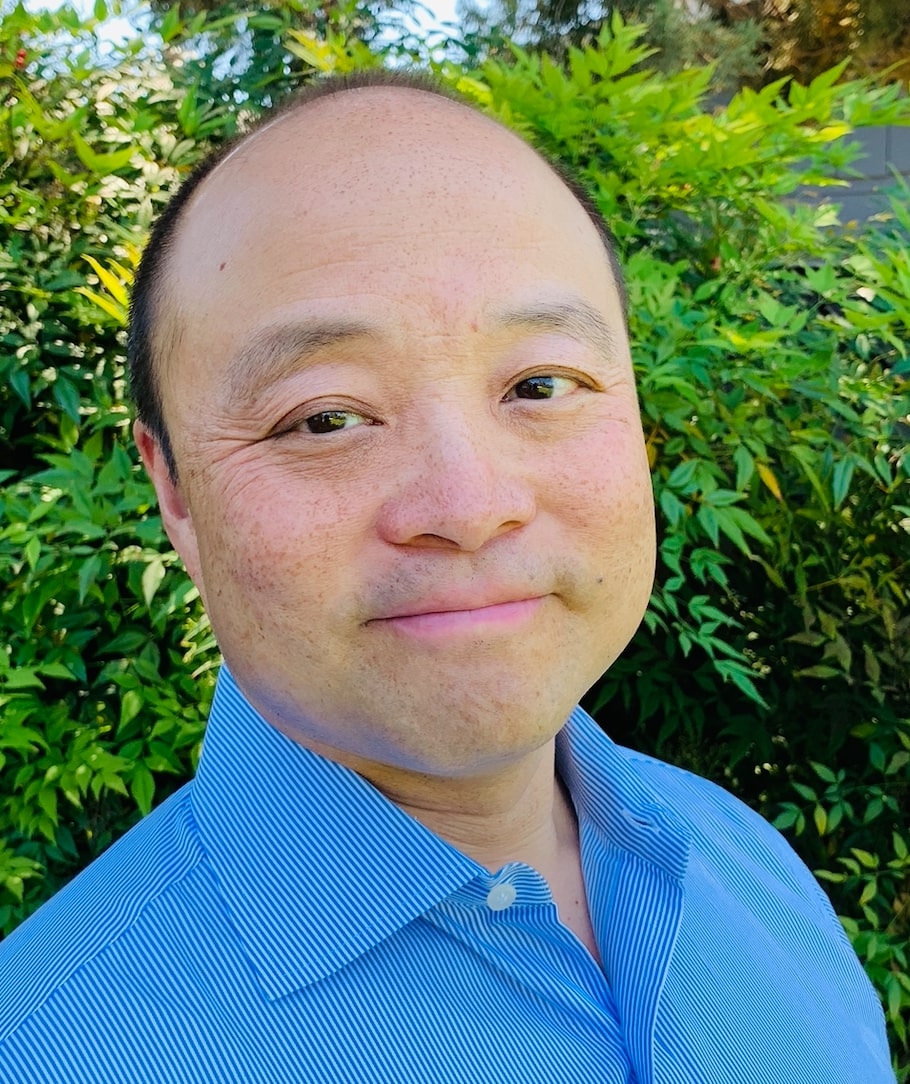
Brian Wang is a Futurist Thought Leader and a popular Science blogger with 1 million readers per month. His blog Nextbigfuture.com is ranked #1 Science News Blog. It covers many disruptive technology and trends including Space, Robotics, Artificial Intelligence, Medicine, Anti-aging Biotechnology, and Nanotechnology.
Known for identifying cutting edge technologies, he is currently a Co-Founder of a startup and fundraiser for high potential early-stage companies. He is the Head of Research for Allocations for deep technology investments and an Angel Investor at Space Angels.
A frequent speaker at corporations, he has been a TEDx speaker, a Singularity University speaker and guest at numerous interviews for radio and podcasts. He is open to public speaking and advising engagements.
